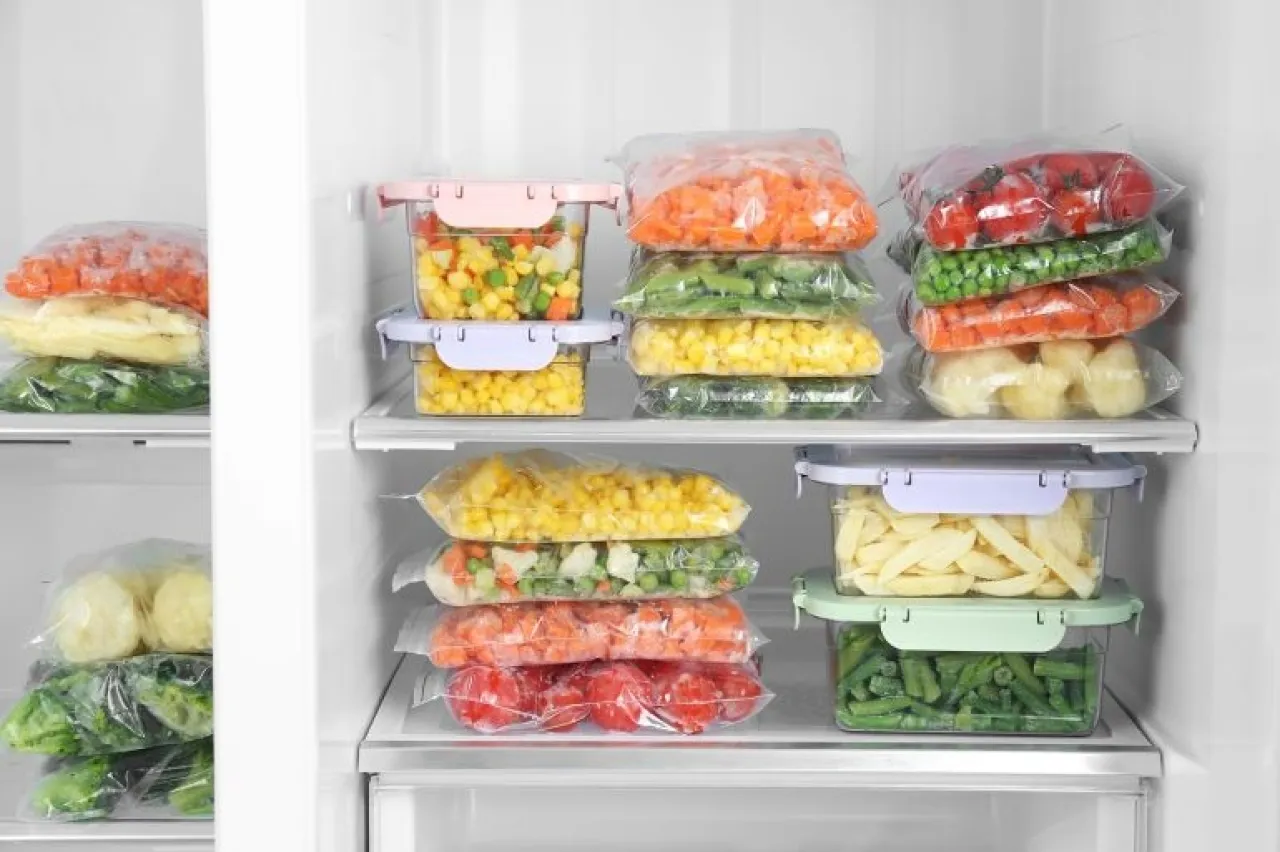
Khaberni - Plastic bags, especially the sealable ones, have become an indispensable part of any kitchen. They provide a practical solution for preserving ingredients, extending their shelf life, and organizing space effectively. Despite the fact that many housewives rely on them daily, they are often disposed of after just one use, while experts encourage their reuse to reduce plastic waste.
In this report, we will reveal everything you need to know about the safety of reusing plastic bags and the number of times they can be reused, in addition to situations in which it is preferable to stop reusing them.
Can plastic bags be reused?
According to "EatingWell", a representative from Ziploc, a producer of sealable bags, explained that plastic bags are among the most versatile kitchen products, whether for storing leftover food, freezing quantities of broth, or organizing seldom-used kitchen tools such as cookie cutters or popsicle molds, among other uses.
The representative added, "Most housewives dispose of these bags while they are still usable, whereas they can be safely reused multiple times, provided they are cleaned thoroughly between each use to eliminate odors and bacteria."
For her part, the CEO of "Stop Foodborne Illness", Sandra Eskin, told the website "Real Simple", that reusing plastic bags depends on the type of food previously stored, and whether the bag was washed and dried well. Eskin further notes that bags used to store non-greasy dry foods like pastries, hard sweets, cereals, or washed fruits and vegetables can be safely reused.
She adds: However, bags that were used to store raw meat, fish, poultry, eggs, or dairy products should not be reused because they become a fertile environment for bacteria such as salmonella, listeria, and E. coli, which are difficult to eliminate through cleaning.
Food safety expert, Martin Bucknavage, explained to the website "Simply Recipes," "The same applies to bags that were previously used to store major allergens such as sesame or peanuts, and it is not advised to reuse them to pack food for a person with allergies, as traces of allergens may remain inside the bag and pose a risk of cross-contamination."
How many times can you reuse a plastic bag?
Experts say that there is no problem in reusing the bag several times as long as it appears intact and withstands washing. Some reports indicate the possibility of reusing it up to 3 times. In this context, food safety specialist, Carla Schwan, told the "Martha Stewart" website, that the number of times a plastic bag can be reused depends on the type of material of the bag and the quality of its cleaning and what was stored in it previously.
Schwan adds: "Some bags withstand repeated cleaning and washing, while others may crack and lose their sturdiness after a few uses, allowing bacteria to proliferate. Thus, it is always necessary to check the bag for any signs of wear or damage or stretching after each use, and dispose of it if necessary."
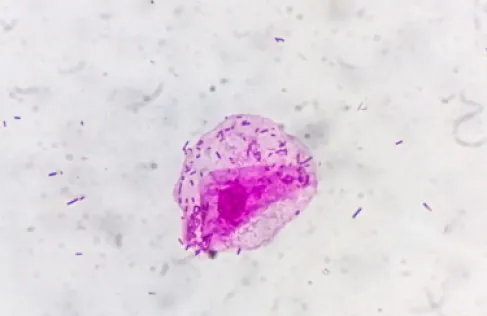
A study conducted by the University of Stirling in 2024 showed how quickly germs grow in the cracks of plastic, where colonies of E. coli bacteria can proliferate within half an hour and last for 21 days.
How to Clean Plastic Bags
To extend the life of plastic bags, they should be cleaned and dried thoroughly after each use, and you can follow these steps:
Add warm water and dish soap inside the bag and close the zipper, then gently move the water and soap.
Avoid hot or boiling water, as it can accelerate the decomposition of plastic and the leakage of chemicals or microplastic particles into the food.
Open the bag and use a soft sponge to gently scrub it before rinsing, focusing on the corners and edges as food may stick to the sealing area.
Do not overdo the cleaning process and do not turn the bag inside out to avoid damaging it.
Rinse the bag thoroughly, shake off the excess water, and leave it open to dry completely before reusing it or storing food in it, as moisture may encourage microbial growth; you can air dry it or use the drying rack in the dishwasher.
As a final step, store the cleaned bags flat, rolled up, or in their original box to be ready for reuse.
When is it not advisable to reuse plastic bags?
There are situations in which the bag should be disposed of after one use, so if any part of the bag is damaged or if you notice any holes, cracks, noticeable stretching, or damage to the seal, then it is time to dispose of it. Other signs that indicate that the bag is no longer suitable for reuse include lingering stains or odors or signs of mold after washing and drying as this exposes what is stored inside to contamination.
In addition to the necessity of disposing of bags that were previously used to store raw meat or fish products, eggs, or any common food allergies, ingredients with high acidity such as tomato sauce and turmeric marinades can cause stains and reduce the lifespan of the plastic bag.
Alternatives to Plastic Bags
If you are looking for environmentally friendly options, many companies offer alternatives such as reusable silicone bags that can be used in the freezer and oven (up to 218 degrees Celsius) and are dishwasher-safe.
You can also use glass storage containers, such as Mason jars that are safe to use in the freezer, while being careful to avoid thermal shock and severe temperature fluctuations, to prevent breaking.