Khaberni - Recent data issued by the United Nations High Commissioner for Refugees indicate that the total number of Syrian refugees registered with it and returned from Jordan to Syria from December 8, 2024, until January 31 of the past year, reached 181,823 refugees.
According to what was presented at the Shelter Teams meeting at the Commission last month, more than 4,500 refugees returned in January of the past year, marking the second lowest month in terms of the number of returnees since March of the previous year.
Approximately 2,020 refugees crossed the border between January 18 and 31, a decrease of 7% compared to the same period at the beginning of this month, which saw the return of 2,168 refugees.
The Commission reported that since December 8, about 18,000 refugees returned to Jordan after returning to Syria, representing 10% of the total returnees, and about two thousand refugees reactivated their files with the Commission during the same period, noting that those who reactivate their file are no longer counted among the returnee numbers.
The data showed that 87% of the returning refugees visited Syria for the first time since their displacement, compared to 13% who had entered the country previously.
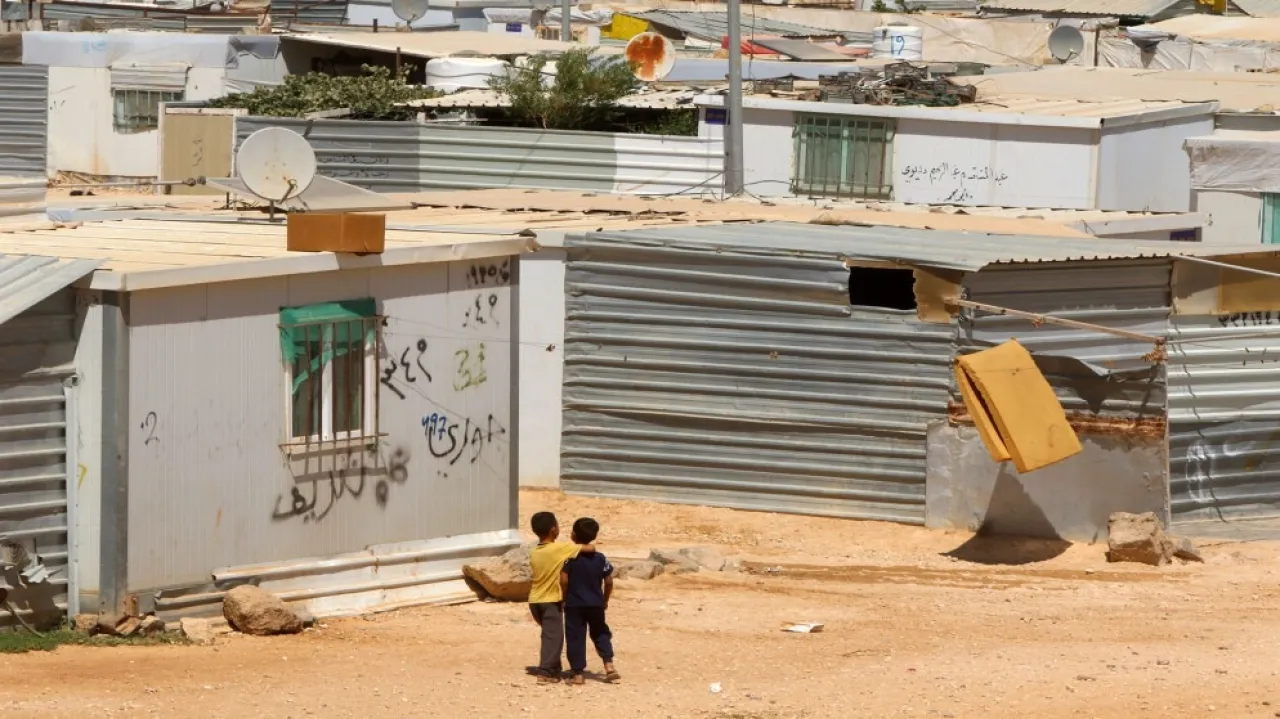
Additionally, more than 44,000 refugees residing in camps returned, representing 24% of the total returnees, while those living in urban areas constituted 76%.
In terms of previous residences in Jordan, 23% of the returnees lived in Amman, 22% in Irbid, 15% in Zaatari camp, 14% in Mafraq, 7% in Zarqa, and 6% in Azraq camp.
As for their home provinces in Syria, the distribution remained relatively stable; 40% of the returnees came from Daraa province, 20% from Homs, and 11% from Rural Damascus. Since most return operations occur spontaneously, the Commission does not have accurate data on final settlement destinations inside Syria, although intention surveys indicate that the majority of refugees intend to return to their home provinces.
According to the Commission's analysis of return movements last year, two main waves of return were recorded. The first in January and February, driven by political changes and accompanied by optimism, before the numbers declined in March coinciding with Ramadan and security incidents in Syria's coastal areas.
The second wave occurred between June and August, as refugees preferred to delay their return until after the end of the school year to avoid disrupting their children's education.
The data shows that 57% of the refugees returned with their entire families, while the rest of the cases involved one or more family members returning, with other members remaining in Jordan.
The Commission noted a gradual decline in the number of returnees in the autumn, especially after the start of the school year.
Responses collected last year show that many refugees prefer to delay their return during the winter months due to the difficult housing conditions in Syria, which explains the decreased return rates in last January.
The Commission expects a slight increase in the number of returnees after Ramadan and the upcoming summer, coinciding with the end of the school year.
Demographically, refugees of working age (18–64 years) constituted 54% of the total returnees last year, reflecting a clear economic dimension in the return decisions.