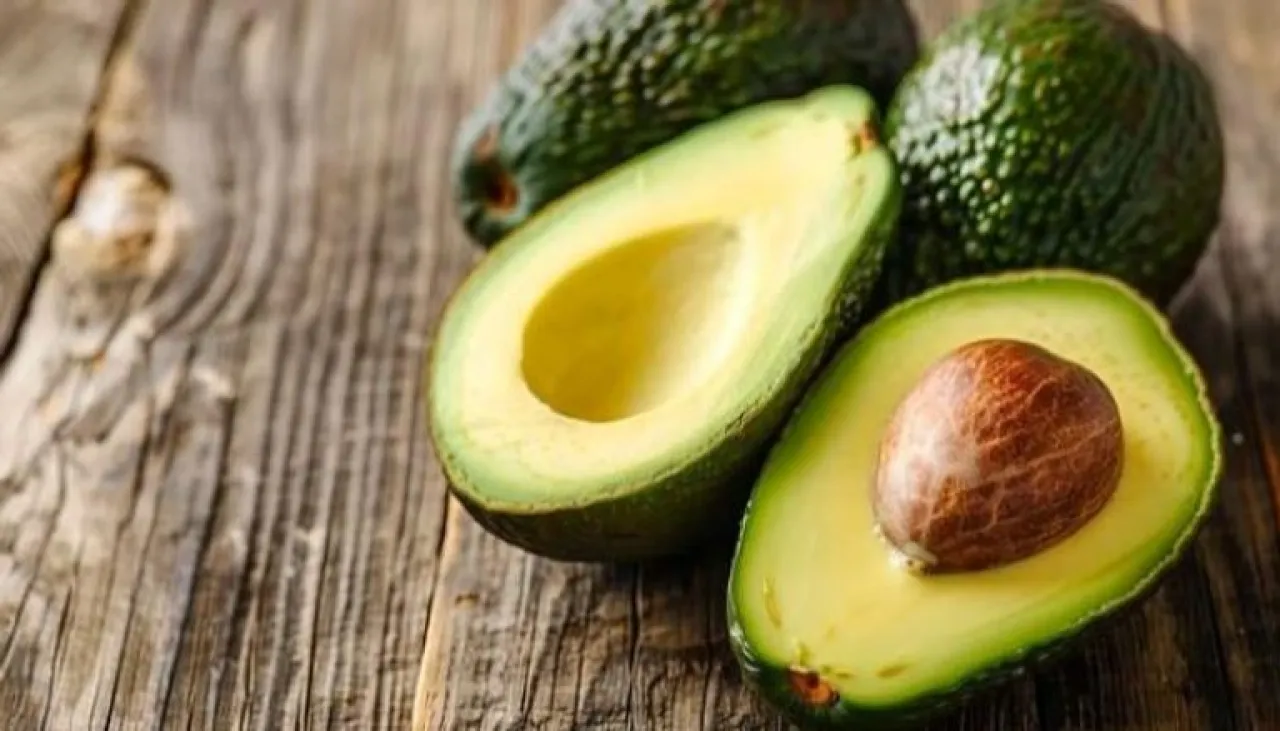
Khaberni - Whether mashed on top of a slice of bread or added to green smoothies, avocado has become one of the foods most associated with a healthy lifestyle.
Avocado is often classified as a “superfood” due to its rich nutrient content, containing monounsaturated fats beneficial for heart health, as well as fiber, potassium, and vitamins K, E, and C.
Its popularity has been cemented by celebrities like Gwyneth Paltrow, especially the "avocado toast" which has become a symbol of the millennial lifestyle since the last decade, combining wellness and luxury, and sometimes controversial due to its association with financial extravagance.
Scientific studies suggest that regular consumption of avocado may help reduce the risk of cardiovascular diseases, improve cholesterol levels, and help with weight management, as well as supporting skin and eye health.
Nutritional therapist and founder of the general nutrition clinic, Gabriela Peacock, says "avocado, rich in healthy fats and fiber, supports energy levels and skin health and longevity," noting that it is "nutritious, filling, and easy to incorporate into quick daily meals."
Although commonly used in savory dishes, avocado is actually a fruit, specifically a type of large berry, because it contains fleshy pulp and a large single seed, and is related to aromatic plants like cinnamon.
Avocado originates from the Americas, and is sometimes known as “butter pear” due to its creamy texture, or “alligator pear” because of its green, bumpy skin. It only reached the British markets in the 1960s, initially not widely accepted to the extent that some consumers would serve it with custard, prompting stores at the time to distribute pamphlets on how to use it.
During the 1970s and 1980s, avocado was considered a luxury food appearing in the feasts of the affluent class, before gradually transitioning to a daily product. By 2015, "The Grocer" magazine reported that avocado sales in the United Kingdom had surpassed those of oranges, indicating its shift from a rare fruit to a staple item.
Nutritional expert and natural therapist Hania Fedmar explains that avocado "aligns with modern food trends as a whole food rich in healthy fats, helps stabilize blood sugar levels, and is suitable for vegetarian and low-carb diets, in addition to its attractive appearance."
Despite its high fat and calorie content, with an average fruit containing about 240 to 320 calories, nutrition experts assert that this does not make it an unhealthy choice.
Nutritionist Lily Soutter states, "The common belief that fats make avocado fattening is inaccurate," explaining that "a moderate amount is key, and half a fruit daily can be part of a balanced diet, as its high fiber content enhances the feeling of fullness."
Uses of avocado are no longer limited to guacamole or salads but have expanded to sushi, pesto, and even desserts like brownies, in addition to its use in virgin oils and skincare and hair care products.
Recent survey by "YouGov" shows that avocado ranked 19th among the most popular “vegetables,” though it is a fruit, with about 70% of participants saying they like it.
Nutrition experts agree that daily consumption of avocado is safe for most people, provided that the appropriate amounts are maintained, and it is particularly beneficial for pregnant and nursing women, and for those experiencing fluctuations in blood sugar levels, due to its unique mix of healthy fats and fiber and low sugar.
However, experts caution that some people, such as those with latex allergies or irritable bowel syndrome, may need to be careful and monitor quantities.
As avocado continues to make a strong presence on global dining tables, nutrition experts believe it has moved beyond a mere "food trend" to become a well-established part of modern healthy diets.