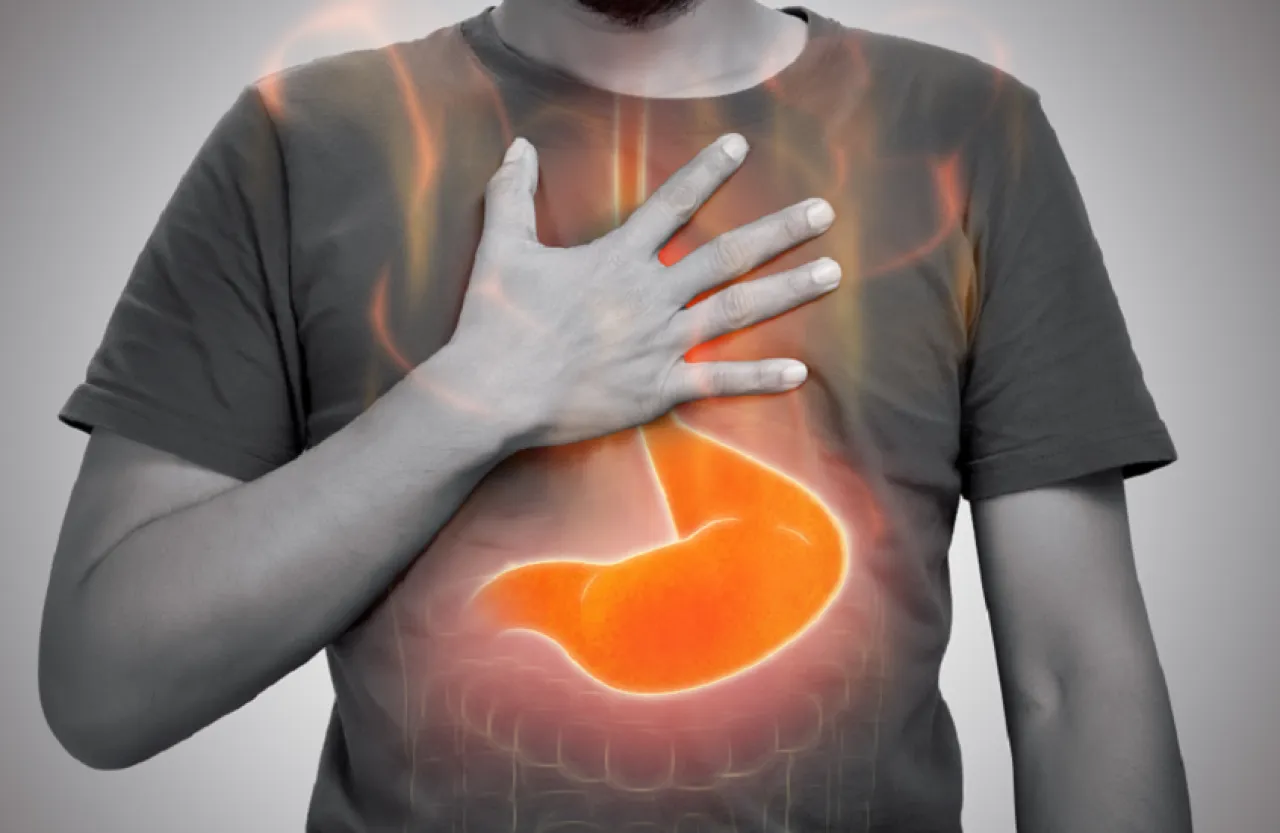
Khaberni - Doctors and nutrition experts reveal that acid reflux is not always linked to spicy and fatty foods only, but may be due to simple daily habits and seemingly harmless foods, and even some common medications.
Acid reflux occurs when stomach acid flows back into the esophagus, causing a burning sensation in the chest and throat and an unpleasant sour taste.
Reflux often results from eating large or spicy meals or meals rich in fats, which relax the lower esophageal sphincter, the valve responsible for preventing the rise of acid. Other factors, such as obesity, pregnancy, and smoking, also increase the risk.
However, doctors confirm that the causes of reflux vary from one person to another and cannot be generalized to everyone, as some individuals may be affected by triggers that do not affect others.
Unexpected Foods That Cause Acid Reflux
Health experts indicate that some foods that appear to be healthy can worsen symptoms, such as mint, raw onions, fermented vegetables, and vinegar dressings.
These foods relax the sphincter muscle, allowing acid to reflux back into the esophagus. Specialists also warn against excessive consumption of protein powders, as they may slow digestion and increase pressure within the digestive system.
On the other hand, it is advised to consume oats, bananas, watermelon, and light proteins, such as fish and tofu, for their role in absorbing acidity and facilitating digestion.
Exercising After Meals
Although physical activity is essential for maintaining weight, engaging in intense exercises after eating can increase stomach acidity, especially those that put pressure on the abdomen, like weightlifting, abdominal exercises, and running.
Doctors advise waiting at least two hours after meals before exercising, with a preference for light activities such as walking, swimming, and cycling.
Common Medications That May Exacerbate the Problem
Specialists warn that some over-the-counter medications and supplements, especially non-steroidal anti-inflammatory drugs like "ibuprofen" and "aspirin," may weaken the stomach lining and increase irritation in the esophagus.
It is recommended to take these medications with food and sufficient water to reduce their side effects on the digestive system.
Everyday Habits That Affect Acid Reflux
The impact of reflux is not limited to food and medication only, but extends to some daily habits, such as wearing tight clothes around the waist, bending over after eating, and lying down immediately after meals.
Excessive chewing of gum may also lead to swallowing larger amounts of air, which exacerbates symptoms.
Experts recommend sitting upright after eating, raising the head of the bed while sleeping, and avoiding lying down for at least two hours after eating.