Khaberni - A new study has shown that working in shifts and eating irregularly may negatively affect liver functions and disrupt its delicate biological balance.
The research team from the University of Queensland explained that the body has several biological clocks that regulate essential biological processes, including liver functions.
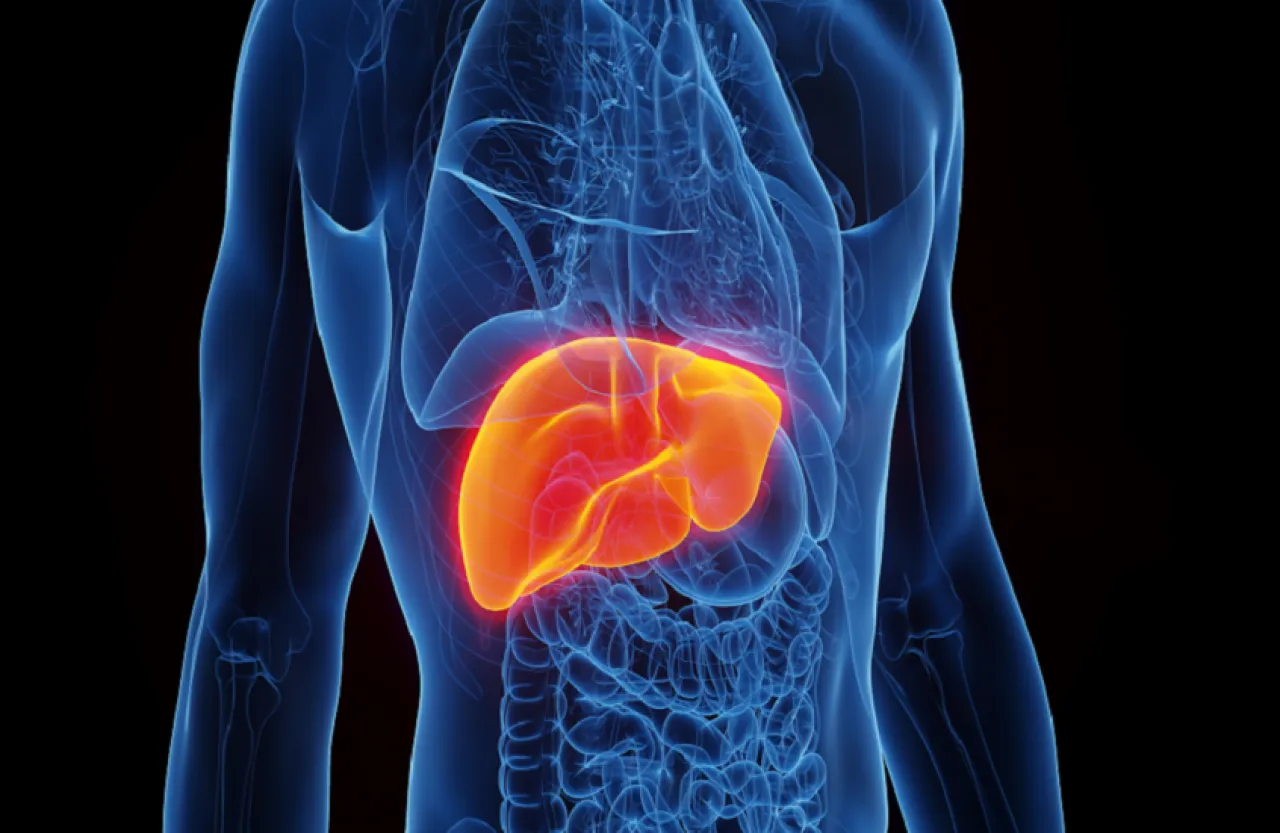
Dr. Meltem Weger, from the Molecular Biosciences Institute, added that the liver has its own biological clock, where it secretes proteins according to a 24-hour daily rhythm, and any disruption in this rhythm is associated with chronic diseases like obesity.
Weger explained: "The liver is one of the most important organs in the body, it produces and exports most of the main proteins in the blood, which are essential for regulating metabolism, inflammation, and energy balance. However, the secretion of these proteins is not constant all the time, but occurs in waves according to daily rhythm."
The study showed that the liver secretes proteins temporarily affected by the biological clock and meal timing. The team confirmed that the results indicate that disturbances to the daily routine, such as working in shifts or irregular eating, can affect liver functions and overall body health.
The researchers pointed out that understanding the liver’s biological clock enhances our knowledge of nutrition, shift work, and the prevention of chronic diseases.
Benjamin Weger, from the Molecular Biosciences Institute at the University of Queensland, added: "We still do not fully understand how disturbances in the liver's clock lead to diseases, but it is clear that there are significant health effects if these rhythms are disrupted. Our results confirm that the biological clock, metabolism, and liver functions are closely interconnected."
The study also showed that meal timing plays a key role in maintaining the liver's natural rhythm in protein secretion, where people who eat regular meals maintain healthy liver rhythms, while those who eat small, scattered meals throughout the day lose them.
Associate Professor Frederick Gachon confirmed that the next step for researchers is to study the role of the liver's internal biological clock in maintaining health and preventing chronic diseases.