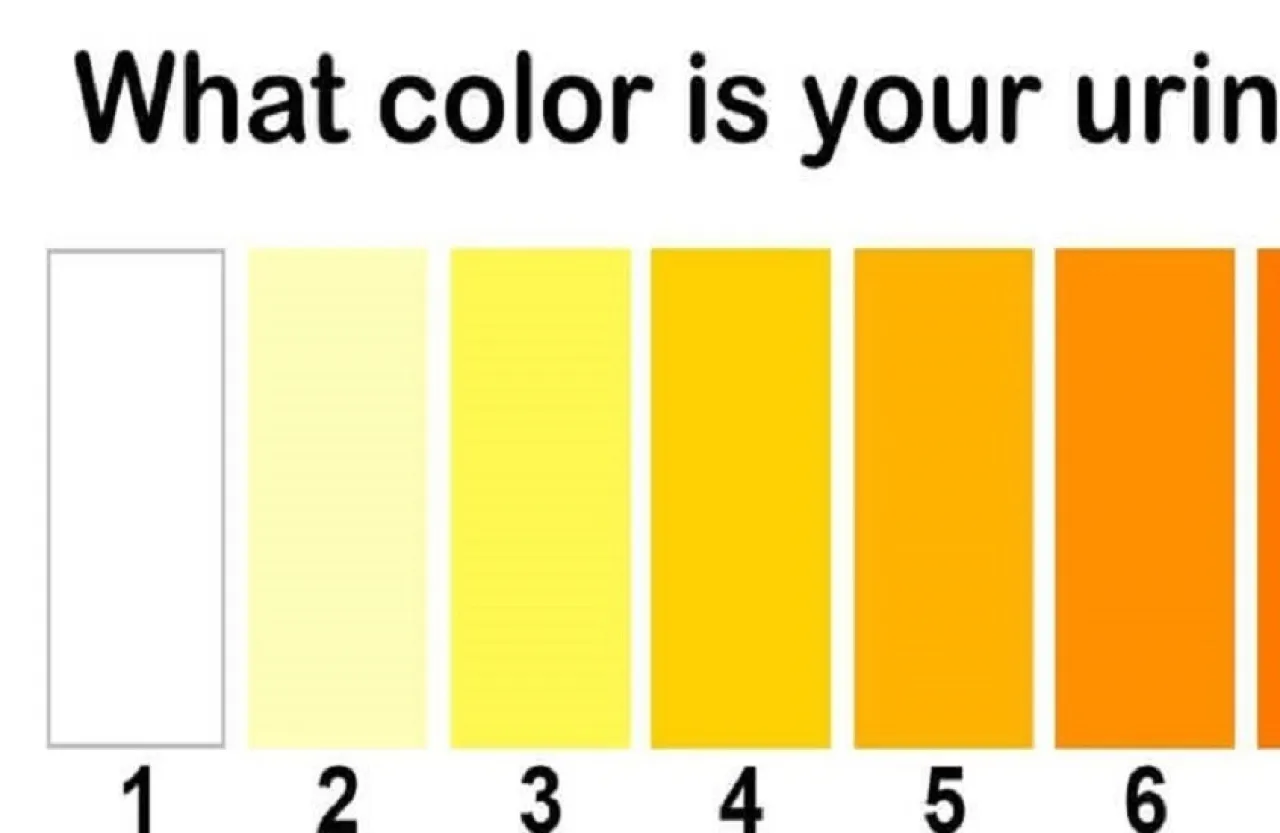
Khaberni - Spanish doctor David Cisepis points out that urine color can be a simple indicator of health status, and in some cases, may suggest hidden diseases.
According to the doctor, the usual color of urine is light yellow, but a change in color is not always harmless. For example, an orange hue may indicate problems with the liver or gallbladder, where the body fails to eliminate the bilirubin pigment. Meanwhile, this color can sometimes be linked to taking certain medications, and does not always indicate illness.
The appearance of red urine raises concerns because it is often due to the presence of blood, which requires medical examination. However, according to the doctor, in some cases, the red color may appear after consuming beets or other colored foods.
But occasionally, urine may acquire an unusual green or blue color. According to the doctor, this color is most often not associated with an infection, but with the use of some medications or dietary supplements or food colorings. Some drugs and contrast agents break down in the body into dyes that are secreted by the kidneys, turning the urine blue or green. In rare cases, this condition may be noticed in metabolic disorders, including increased calcium.
According to him, very light urine color indicates that the person is drinking an excess amount of water. Conversely, dark urine indicates dehydration.
Dr. Cisepis emphasizes that transient changes in urine color are not always serious, but persistent changes or unusual colors should prompt a consultation with a physician.