Khaberni - Despite dietary guidelines for decades, fiber remains one of the least consumed nutrients, with adults not meeting the recommended daily intake of 25–34 grams. Experts warn that a lack of fiber may contribute to chronic diseases such as obesity, heart disease, colon and rectal cancer, and autoimmune disorders.
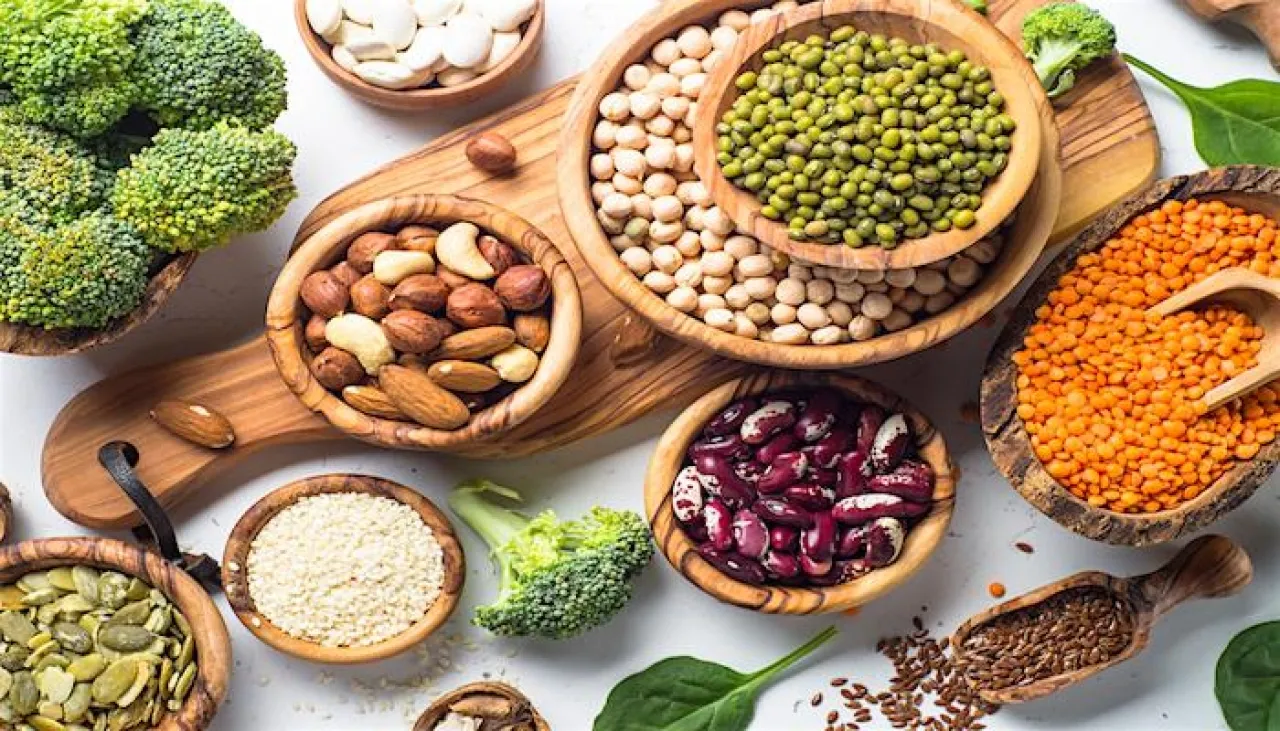
However, recent research indicates that simply increasing the amount of fiber is not enough; its variety and type are also important. Fiber is found in plant foods such as fruits, vegetables, whole grains, legumes, nuts, and seeds, and is divided into two main types: soluble and insoluble. Soluble fiber, like beta-glucan in oats, dissolves in water to form a gel that slows digestion and reduces blood sugar and cholesterol spikes. Insoluble fiber, such as cellulose in nuts and legumes, helps regulate bowel movements.
According to National Geographic, fiber also plays an important role in enhancing the health of the gut microbiome. Some fermentable fibers, like inulin in chicory roots, are broken down by gut bacteria to produce short-chain fatty acids that reduce inflammation, improve nutrient absorption, and regulate immunity. Experts indicate that diversifying fiber sources maintains microbiota diversity, which is associated with a lower risk of chronic diseases and improved overall health.
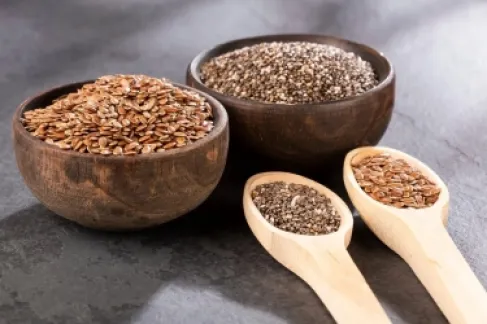
Despite the prevalence of dietary supplements and fiber-enriched foods, experts warn that they do not provide the complex benefits of whole plant foods, and often cause bloating or diarrhea. Specialists recommend gradually increasing fiber intake with an adequate amount of water, focusing on varied and enjoyable foods like frozen berries, dried beans, avocados, chia seeds, and whole grains.
Experts affirm that the diversity of fiber is more important than just its quantity for maintaining gut health and preventing long-term diseases.