The UN High Commissioner for Refugees, Barham Salih, emphasized on Tuesday the importance of maintaining strong international support for Jordan, as the country continues to host one of the world's largest refugee populations relative to its population.
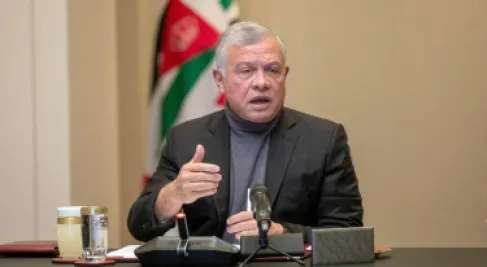
During his first official visit to Jordan as High Commissioner, Salih met His Majesty King Abdullah II, Prime Minister Jafar Hassan, senior officials, partners from donor agencies, and representatives of civil society, as well as refugees.
The High Commissioner renewed the UNHCR's deep appreciation for Jordan's solid partnership and its humanitarian commitment.
Salih stated: "Jordan has provided a safe haven and dignity for refugees over many years, setting an example that the world should continue to recognize and support. This support cannot continue without renewed international involvement."
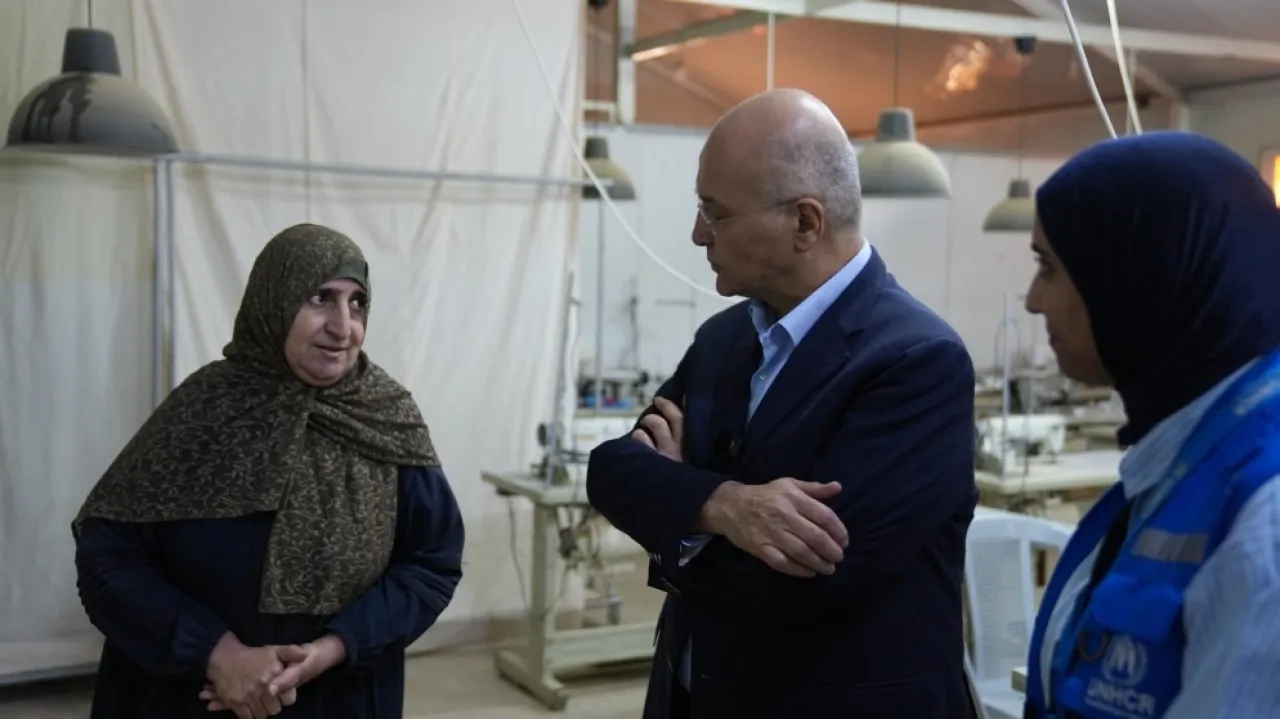
The High Commissioner visited the Za'atari camp and the UNHCR registration center in Amman, and met with refugee families in urban areas and camps, listening to their concerns, aspirations, and the challenges they face. By the end of 2025, Jordan hosted more than 444,000 registered refugees with the UNHCR, many of whom have been in a state of displacement for more than a decade.
With an increasing number of Syrian refugees wishing to return, Salih emphasized that return should always be a personal decision and carried out voluntarily, informed, and dignified. More than 180,000 Syrian refugees in Jordan have chosen to return.
Salih said: "Many refugees clearly tell us: we hope to return to our homes someday, but we want safety and stability." He added: "The UNHCR will continue to support those who choose to return, ensuring they receive the information, advice, and assistance necessary to do so with dignity and confidence."
He noted that many refugees "will remain in Jordan in the foreseeable future, with many becoming increasingly vulnerable," indicating that "it is essential to continue supporting the most vulnerable refugees in Jordan, alongside the host communities. This support protects families from sliding deeper into poverty and supports national systems."
Salih warned that the global funding shortfall has already begun impacting humanitarian services and basic protection in Jordan, limiting refugees' ability to meet their basic needs.
The High Commissioner reaffirmed the UNHCR's commitment to working with the government, donors, and partners to support refugees and host communities and promote long-term solutions.