Khaberni - The Higher Population Council stated, the increase in the number of cancer cases in Jordan is due to population growth and early screening for the disease even before symptoms are felt.
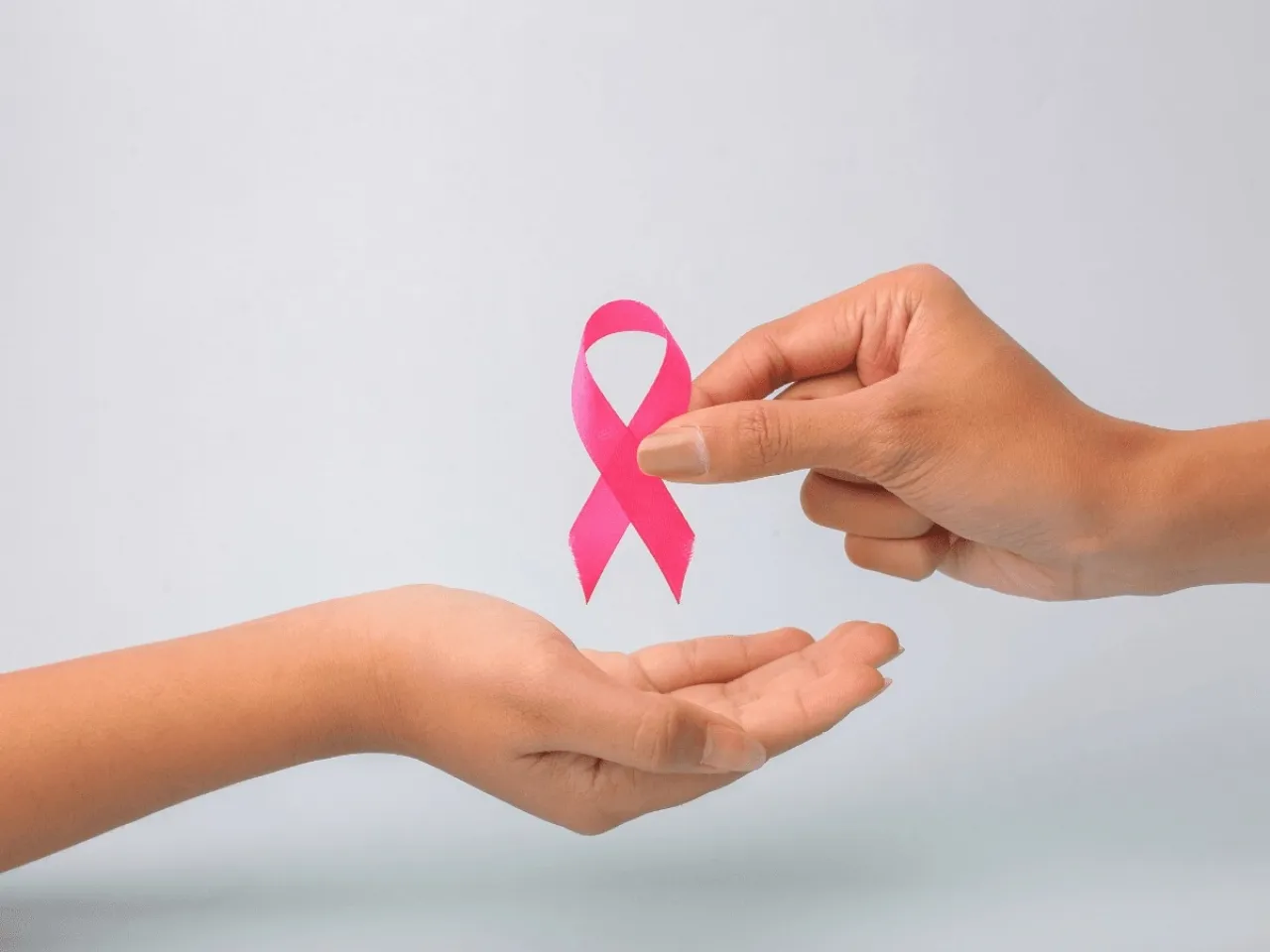
This was announced coinciding with the council's global participation in the celebration of World Cancer Day, which falls on tomorrow, Wednesday, the fourth of February each year, where this year's theme is "United in our uniqueness", to raise awareness, enhance health education, and stimulate individual and institutional actions to reduce the burden of cancer.
According to a statement from the council, on Tuesday, global health expertise confirms that a large number of cancer cases can be prevented by reducing risk factors, and that the chances of recovery increase significantly when the disease is detected early, and treatment begins in a timely manner, as investing in prevention, early screening, and treatment is a direct path to saving lives and improving the quality of life for patients and their families.
The National Cancer Registry within the Directorate of Noncommunicable Diseases at the Ministry of Health is tasked with monitoring data about detected cancer cases and tabulating them by age, gender, nationality, and type of cancer, while the biennial reports contribute to guiding health policy and prioritizing based on accurate and reliable data.
According to the latest report by the Ministry of Health in 2022, 10775 new cancer cases were registered, with 81.2 percent of them being Jordanians and the female ratio among these cases was higher than the male's, as it reached 54.1 percent compared to 45.9 percent for males, and the incidence rate among Jordanians was about 112 cases per hundred thousand people.
The most common types of cancer were "breast cancer" at 20.1 percent of the total cancer cases in both sexes, "digestive system" 18.9 percent, "respiratory system" 9.4 percent, "urinary system" 7.9 percent, with clear differences between the sexes.
It noted that the proportion of "lung cancer" was highest among males, where it accounted for 12.9 percent of the total cancer incidences in males in general, while "breast cancer" among females accounted for 36.8 percent of the total disease incidences in females.
According to the report, cases among children under 15 years were the least, amounting to 312 cases, which is 3.6 percent of the total cases, and the most common were leukemia at 24.4 percent, brain tumors and central nervous system at 20.2 percent, and lymphomas at 18.3 percent.
The council explained that the differences between males and females in the types of cancer affecting them are due to biological, hormonal, behavioral, and social factors, particularly the variation between the genders in occupations and in dietary patterns, each with its accompanying health risks.
The council called for expanding access to early detection services, reducing barriers related to fear of the disease, lack of information, cost of service, and geographical location, emphasizing the importance of enhancing the role of the family and community in encouraging women and men to undergo regular medical examinations and intensifying efforts towards prevention by focusing on adopting healthy lifestyle habits including quitting smoking, maintaining physical activity, eating a balanced diet, undergoing early screening according to health guidelines, age and individual risk factors, promoting rapid referral for diagnosis and treatment upon any indications or suspicions of the disease, in addition to developing palliative care to ensure the quality of life for the patient and supporting his family, and enhancing multisectoral partnerships between health, education, media, and civil society to ensure a sustained impact.