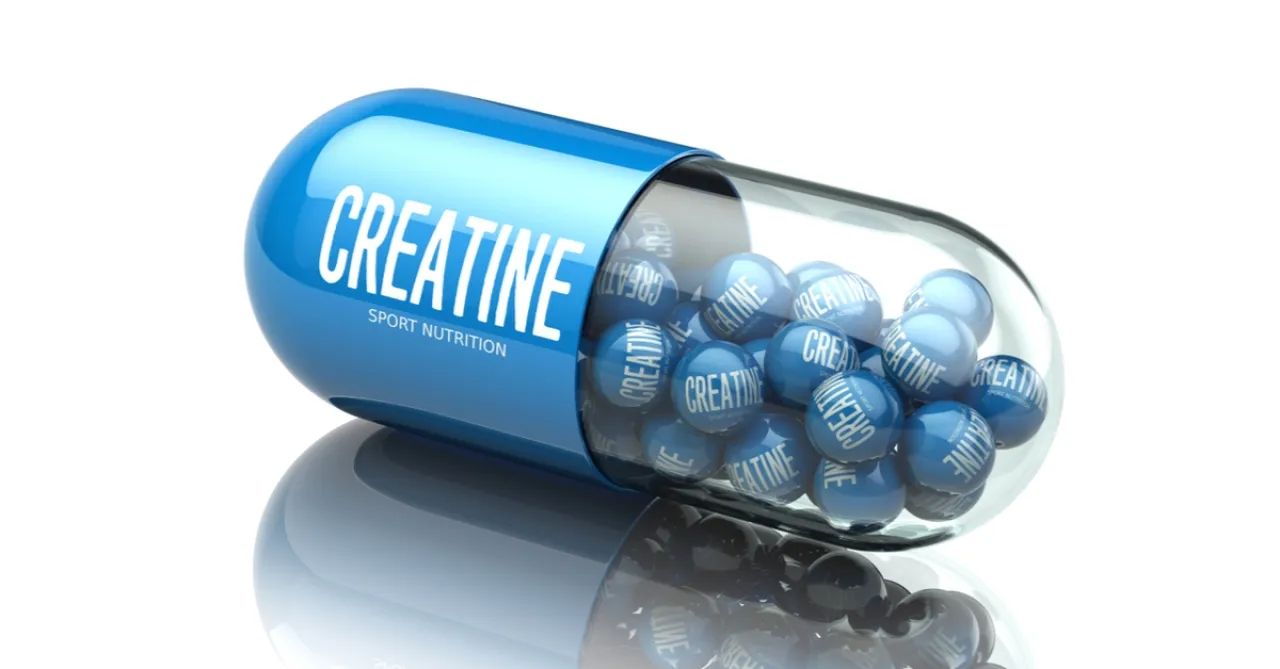
Khaberni - Creatine is one of the most commonly used sports nutritional supplements, which studies have shown to be effective in building muscle mass, and improving strength, speed, and physical performance in general.
The benefits of creatine are not limited to physical aspects only, as recent research indicates that this natural compound may offer additional health benefits, including supporting brain functions and memory, promoting bone health, and possibly improving mood.
Research results show that creatine might also be beneficial for women, especially in reducing fatigue during exercise and helping to maintain muscle mass with aging.
Creatine is a compound naturally produced by the body from several amino acids and can be obtained from protein-rich food sources such as meat and seafood.
Studies suggest that women, along with vegetarians, often follow diets low in creatine; this leads to a decrease in its storage in the body. However, it seems that women store creatine in the muscles more efficiently than men, which may explain differences in the speed or nature of the response to this supplement.
Multiple benefits for women
Throughout her life, a woman undergoes multiple physiological changes, including hormonal fluctuations, a decrease in muscle mass and bone density with aging, alongside a slowing metabolic rate after menopause, and fluctuations in energy and concentration levels.
Resistance exercises are one of the effective ways to mitigate these changes, especially when combined with supporting supplements, such as creatine.
Studies have shown that women who regularly consume creatine achieve noticeable improvements in muscle function; this positively reflects on life quality.
Some evidence also hints at its potential role in supporting bone health for women after menopause, although research consensus on this outcome is lacking.
In the face of common complaints among women of symptoms such as mental confusion, poor concentration, stress, low energy, and sleep disturbances, whether during the menstrual cycle or the menopause stage, creatine emerges as a low-cost option that might help alleviate some of these symptoms, according to recent studies.