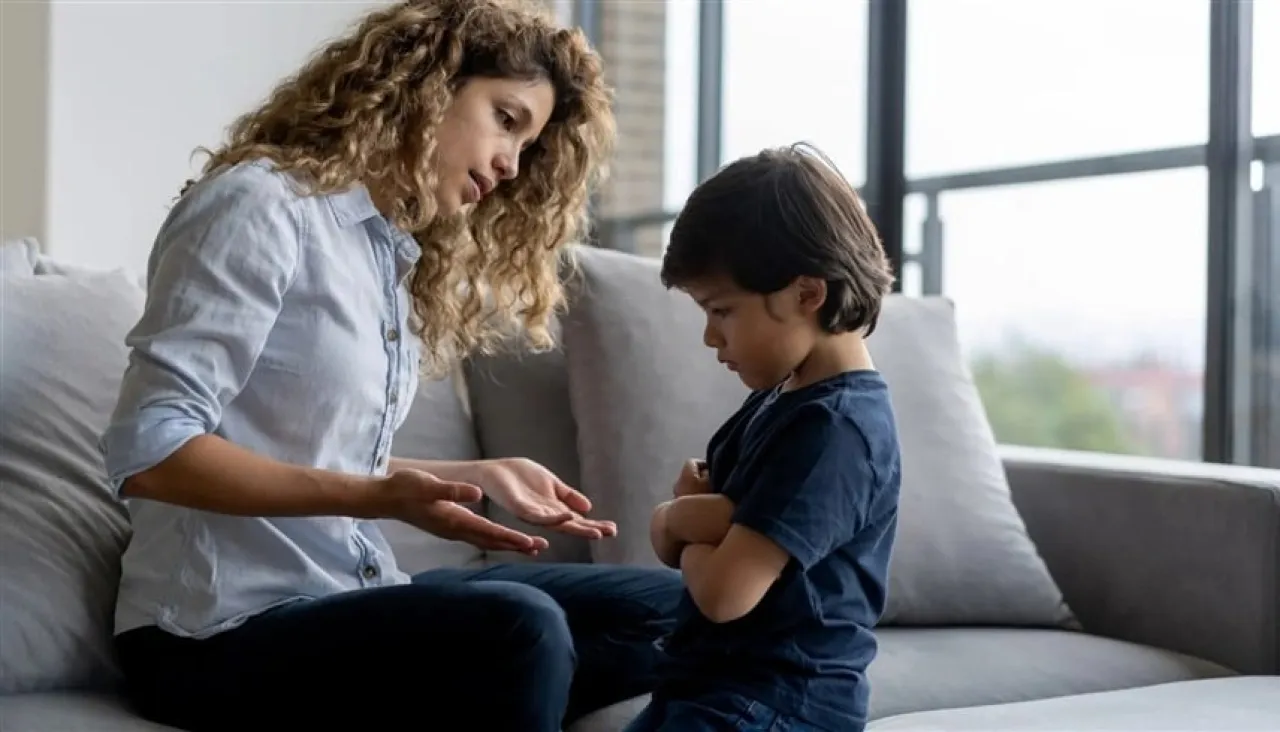
Khaberni - Protecting our children from danger, dealing with their bouts of anger, helping them learn self-control and self-discipline, developing a sense of responsibility in them, and instilling values in them, are all of great importance. A positive and loving foundation is the starting point.
In a report by Johns Hopkins University, Dr. Jennifer Katzenstein, director of psychology at the Johns Hopkins Hospital for Children, offers advice to parents on how to discipline their children fairly and with respect.
Harsh discipline, such as shouting, insulting or swearing, is a causal behavior that negatively affects their self-confidence.
3 Main Ideas for Discipline
Katzenstein says: "It's important to realize that a positive, love-filled foundation is the most important starting point to ensure commitment to discipline when needed. If a child feels helpless to do anything right, they might give up or stop trying."
First, we need to encourage praise, and reinforce this praise, so that there are 3 words of praise for every negative or corrective word.
Second, it is very important to be consistent, deal with the behavior with the same discipline every time. And if you promise to do something, or to withdraw something, you must keep your promise.
So, always make sure that you do not issue commands or withdraw privileges unless you are ready to enforce them. Consistency generates trust.
Finally, make sure you discipline fairly. The consequences of the behavior should be linked with the behavior itself. Sometimes I use the term "logical consequences."
This means that if your child throws food on the floor, they must clean it up before doing anything else. Once the food is cleaned up, the consequences end. And do not prolong the discussion on this subject.
How can behavioral problems be prevented?
It's also important to prepare our children for success. Ensure they get enough sleep and physical activity.
Prioritize rules, and make sure they are clear and expectations are set. For young children, start with two or three rules only.
The first rule is to prevent aggression (hitting, kicking, spitting, etc.).
Also, knowing what is appropriate for a child's developmental stage and setting age-appropriate expectations is extremely important. It is also essential to provide toys and activities that suit the child's age to maintain their mental activity.
There are also great methods you can use to help prevent behavioral problems, one of which is giving children choices, making them feel in control of the situation, even if we control the available options for them.
Second, providing guidance. When we refuse a request, we offer another option.
And finally, ignore the small stuff. Set your rules and expectations, and stick to them.
Disciplinary Methods
There are 3 main effective disciplinary styles, which vary depending on the behavior.
1. Planned Ignoring - for "annoying" behaviors such as whining, bargaining, and tantrums.
2. Effective commands, such as using the phrases "If you do – the result will be".
3. Time-out, designated for aggressive behavior.
What about physical discipline, such as hitting?
We want to avoid physical discipline because it teaches our children that we react to problems with physical violence, instead of using words.
If parents feel extreme frustration and wish to resort to physical discipline, then it is time to stop and calm themselves down.