Khaberni - The deadly "Nipah" virus has reappeared, after Indian authorities confirmed the emergence of 5 infection cases of the virus in West Bengal, including doctors and nurses.
The health authorities reported three new infections earlier this week, in addition to two previous cases in nurses, one male and one female, both of whom were confirmed to be infected with the virus. The nurses were working at a private hospital in the city of Barasat near the capital Kolkata, according to the British newspaper "Independent".
The authorities have also placed about 100 people in home quarantine, while the infected are receiving treatment in hospitals in the Indian capital, with one critical case recorded. So what do we know about this deadly virus?
Its symptoms are similar to influenza
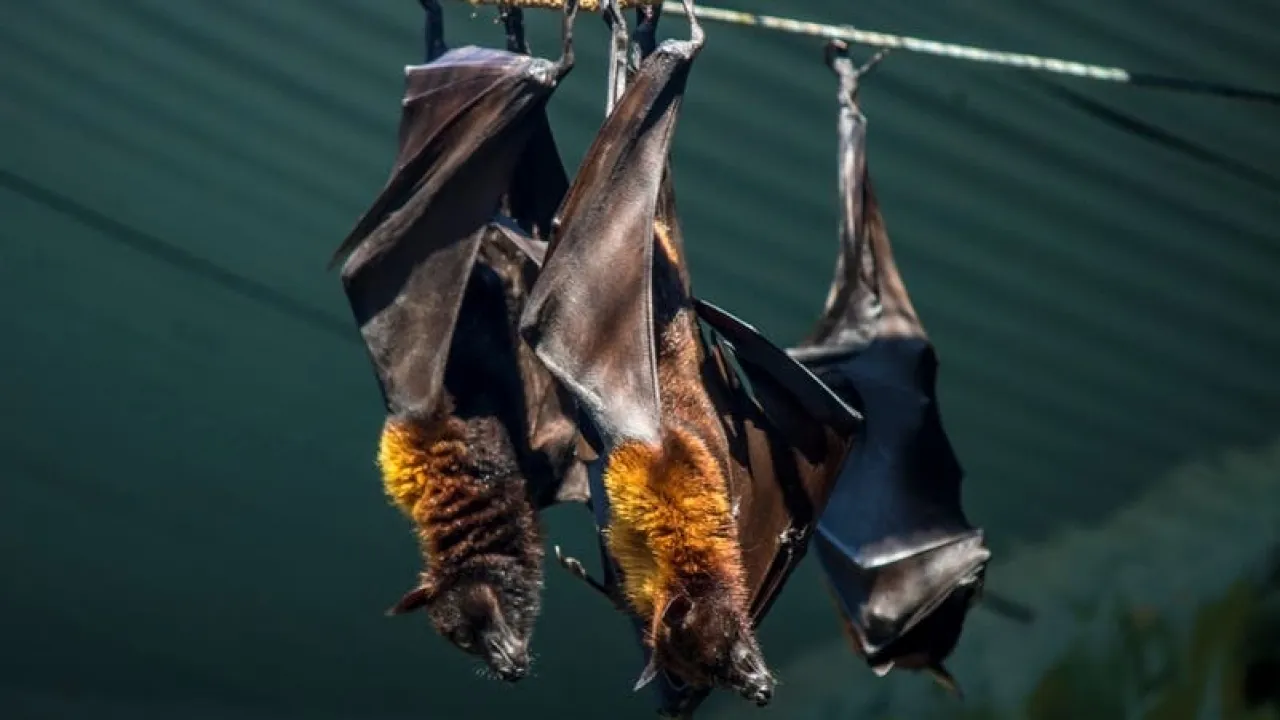
The Nipah virus is classified by the World Health Organization as a high-risk pathogen, and human infection with the virus is rare, generally transmitted from bats to humans.
The illness usually starts with flu-like symptoms, such as fever, headache, muscle pains, and fatigue, and respiratory symptoms such as coughing, shortness of breath, or pneumonia may also appear.
The most severe complications are encephalitis, with neurological symptoms such as altered consciousness, seizures, or coma appearing days or weeks after the onset of the disease. Some patients may also suffer from meningitis.
High mortality rate
The Nipah virus is characterized by a high mortality rate ranging between 40 and 75% depending on the virus type and outbreak conditions. Survivors may suffer from long-term neurological complications, such as sustained seizures, according to the British Health Security Agency report.
In rare cases, encephalitis may reoccur months or years after the initial infection.
Transmission methods
The virus is zoonotic, it can transmit from animals to humans and from one person to another, and the primary carrier is fruit bats.
Infection occurs through direct contact with infected bats or animals, or by eating food contaminated with bat urine, saliva, or feces.
Transmission among humans mainly occurs through the bodily fluids of infected persons, particularly among family members and caregivers.
Origin and spread of the virus
The Nipah virus was first identified in 1999 following an outbreak of encephalitis and respiratory diseases among pig farmers in Malaysia and Singapore. Since then, repeated outbreak cases have been recorded in South Asia, including northeastern India and some areas of Bangladesh, with near-annual outbreaks in Bangladesh since 2001. Cases have also been reported in southern India (Kerala state) and the Philippines.
There is currently no specific treatment or vaccine for the virus, and patient management focuses on supportive care and symptom management.
Health authorities recommend preventive measures including wearing gloves and protective clothing when dealing with sick animals, minimizing direct contact with infected patients, and regular hand washing after caring for or visiting them.