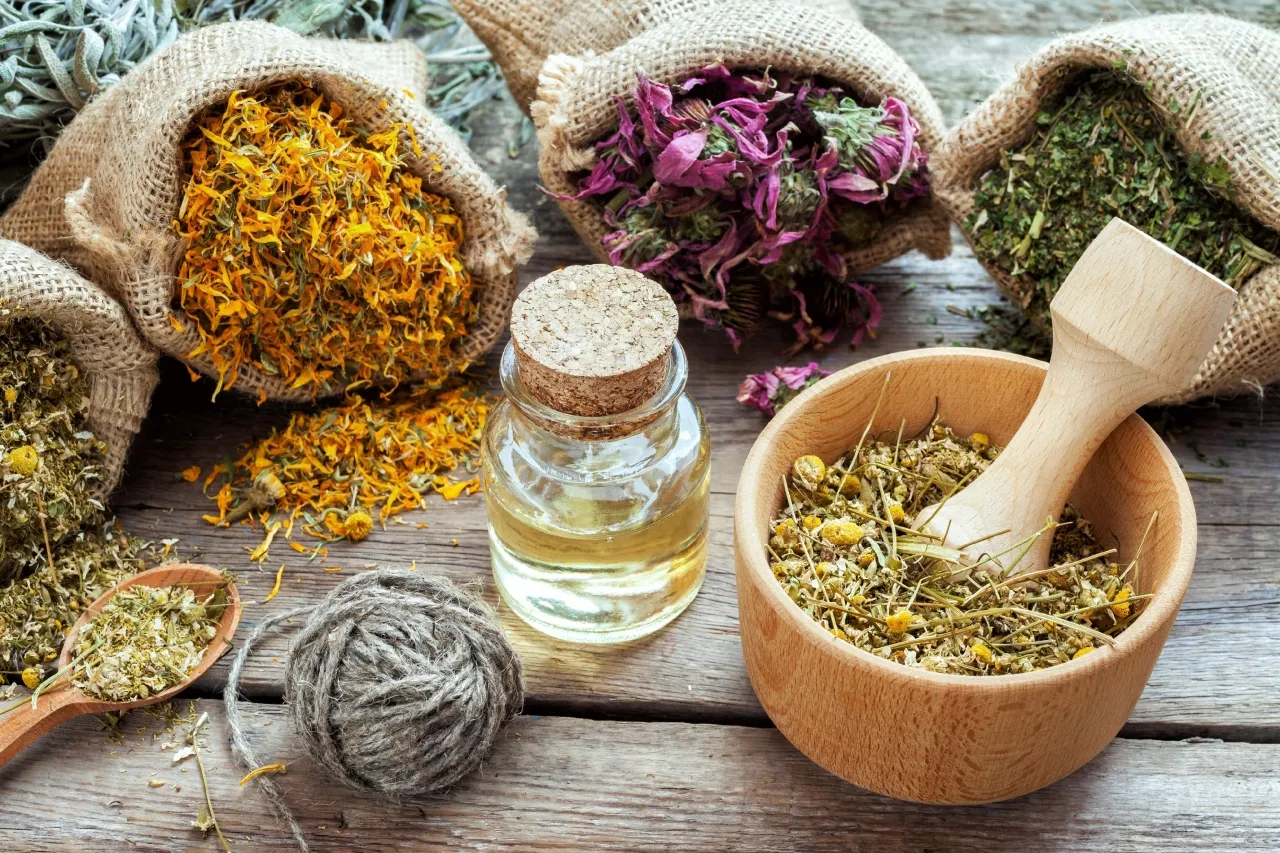
Khaberni - Humans have used medicinal herbs to treat diseases for thousands of years, and before the development of modern medicine, herbs were the main method of treatment. With the spread of health awareness currently, interest in herbal treatment has returned, considering it a natural and safer option in the eyes of some. However, the most important question remains: Are medicinal herbs really an alternative to medications? Or is it just an inherited popular belief?
What are medicinal herbs?
Medicinal herbs are plants or plant parts used for therapeutic or preventive purposes, whether in the form of drinks, oils, or extracts. These herbs contain active compounds that affect various body functions, and modern science has indeed proven some of these benefits.
Some famous examples include:
• Ginger
• Mint
• Chamomile
• Turmeric
• Black seed
Benefits of medicinal herbs
It cannot be denied that there are many scientifically proven benefits of medicinal herbs, especially when used correctly. Some of the most notable include:
1. Relieving mild symptoms
Herbs are used to:
• Soothe stomach upsets
• Reduce mild headaches
• Alleviate colds
Like using mint for the stomach or ginger for nausea.
2. Immune support
Some herbs contain strong antioxidants that help:
• Strengthen the immune system
• Combat inflammation
• Support overall health
This makes herbal treatment a beneficial complement to a healthy lifestyle.
3. Reducing side effects
Some prefer using herbs believing they are less harmful than chemical medications, especially when used for short periods and under professional supervision.
Are medicinal herbs an alternative to medications?
Here, it is essential to carefully consider the idea of medicinal herbs as an alternative to medications, because the answer is not simply yes or no.
When can herbs be an alternative?
• In minor and non-chronic cases
• As a supportive or complementary treatment
• For prevention and overall health improvement
When are they not an alternative?
• In chronic diseases (diabetes, hypertension, heart conditions)
• In acute or emergency cases
• When precise and controlled doses are needed
Comparing herbs with medications
When conducting a comparison between herbs and medications, clear differences are found:
Aspect Medicinal Herbs Medications
Source of material Natural Synthetic or semi-synthetic
Doses often not precise Precise and studied
Speed of effect Relatively slow Fast
Regulation Limited Subject to clinical trials
This comparison clarifies that herbs cannot replace medication in all cases.
Risks of using medicinal herbs
Despite their benefits, there are risks associated with using medicinal herbs that must be considered:
1. Interaction with medications
Some herbs may interact with medications and cause:
• Reduced effectiveness of the medication
• Increased side effects
Like some herbs interacting with blood pressure or anticoagulant medications.
2. Unknown dosages
Not determining the dosage accurately may lead to:
• Poisoning
• Straining the liver or kidneys
3. Unreliable sources
Buying herbs from unapproved sources may lead to:
• Contamination
• Adulteration with harmful substances
4. The false belief in absolute safety
Natural does not always mean safe, and this is one of the biggest misconceptions in the use of medicinal herbs.
Modern medicine's view on herbal treatment
Modern medicine recognizes the benefits of some herbs, but it emphasizes:
• The necessity of scientific studies
• Do not replace medical treatment without consulting a specialist
• Using herbs as a complementary treatment rather than a full replacement
Important advice before using medicinal herbs
• Consult a doctor before use
• Do not stop medication abruptly
• Adhere to recommended amounts
• Choose trusted sources
• Monitor any side effects