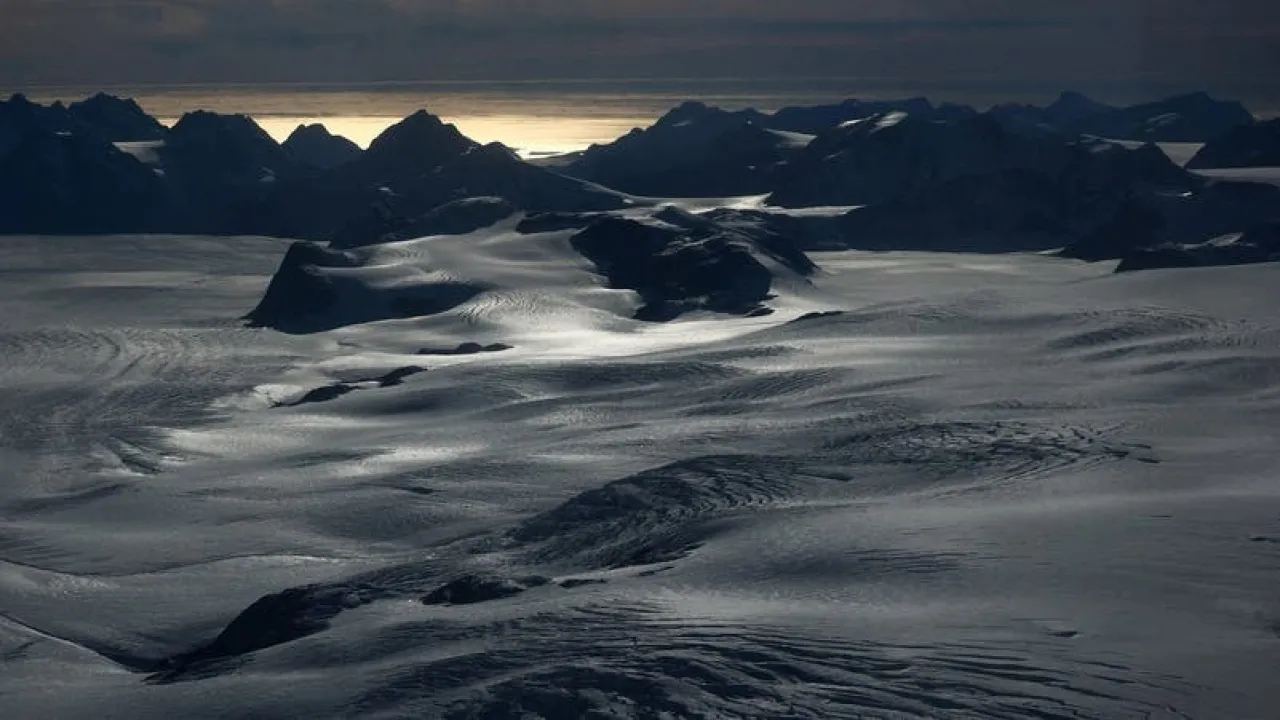
Khaberni - In an escalation of the diplomatic crisis between the United States and Europe, U.S. Treasury Secretary Scott Bisent stated that Greenland "can only be militarily secured if it becomes part of the United States".
He described the European powers, including Denmark and the European Union, as "very weak" in protecting the Arctic region from Russian and Chinese ambitions.
This came during an interview of the Treasury Secretary with anchor Kristin Welker on the program "Face the Press" on "NBC" channel.
Bisent defended President Donald Trump's plan to impose unprecedented economic pressures to take control of the strategic island.
In response to questions about the legality of using the "National Emergency Act" to impose tariffs ranging from 10% to 25% on imports from 8 opposing European countries, Bisent justified this by stating "The real national emergency is to prevent a future national emergency".
He clarified that the U.S. administration is using its "tremendous economic power" as a proactive tool to prevent the outbreak of a "hot war" in the Arctic, considering that American control would provide a security umbrella beneficial to all.
Bisent rejected comparisons of this move to Russia's annexation of Crimea, asserting that Europeans "will eventually realize" that this path is the best for Greenland and for the security of the European continent and the United States.
When asked whether the military option is still "on the table" as the president previously hinted, Bisent stated that he had not discussed the matter directly with Trump, emphasizing that "economic pressure" is the current means of negotiation.
The minister expressed confidence in the legal stance of the administration, indicating that it is "highly unlikely" that the Supreme Court would intervene to nullify the president's powers to impose these tariffs.
He also described the current situation with Beijing as "stable", but confirmed the president's readiness to act immediately in case of any disruptions in the balance of power.
These statements come at a sensitive time, as EU ambassadors in Brussels hold an emergency meeting today to discuss the response to American threats.
Denmark is facing significant public and political pressure to reject what some European parties have described as "economic extortion".
Observers believe that Bisent's description of Europe as "weak" will complicate diplomatic efforts, especially since countries such as Germany and France consider that these tariffs could lead to a comprehensive trade war that weakens the "NATO" alliance internally.