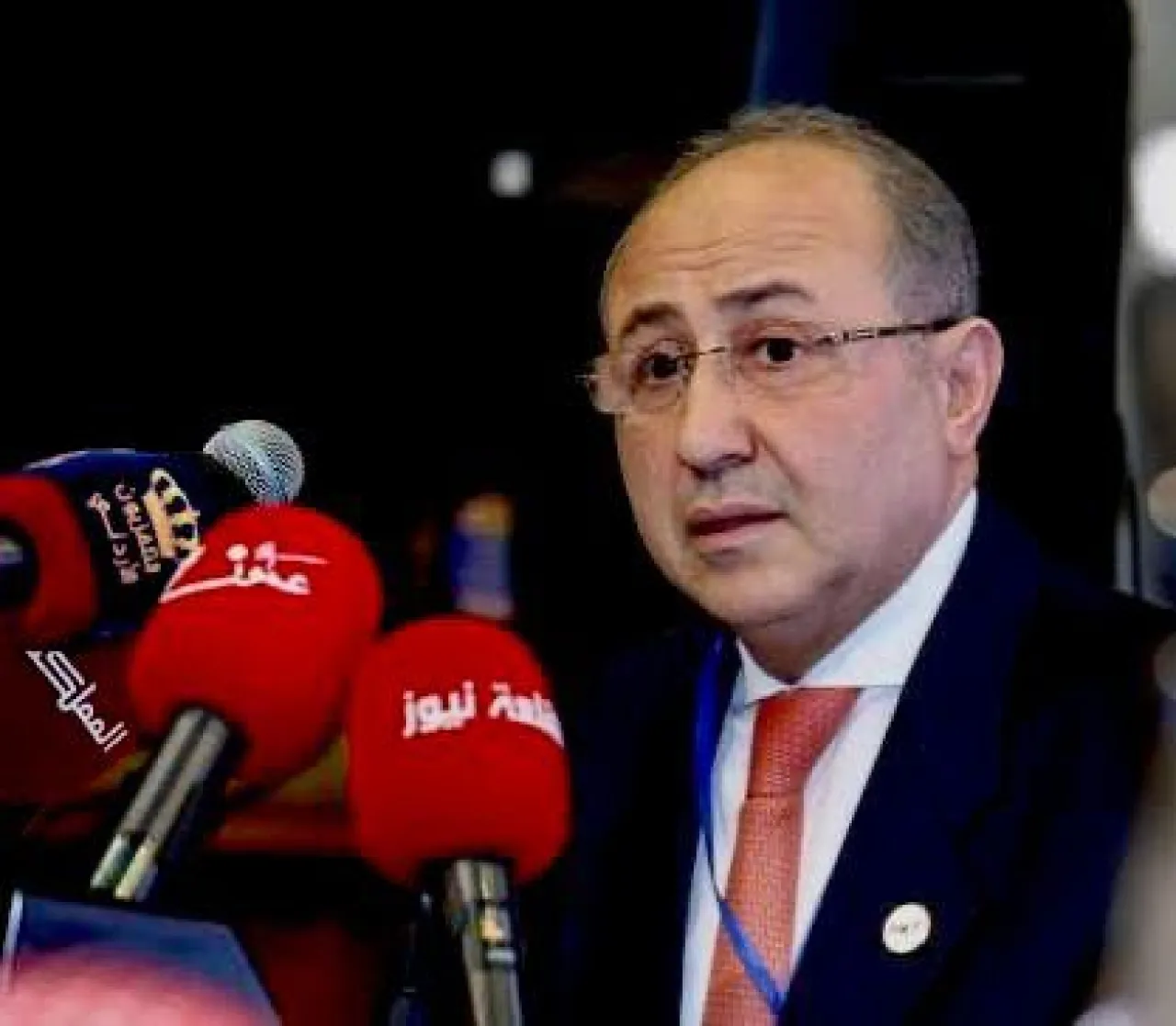
Khaberni - Zaid Nafaa, General Secretary of the Azm Party, wrote:
An initial definition.
The ambassador is the official representative of his country's leadership, the link between it and the host country, and a bridge for political, cultural, and civilizational communication between peoples. Since the inception of diplomacy, ambassadors have been a hallmark of sovereignty, and a tool for managing relations between states, in peace as in war.
Ambassadors through history
Throughout history, ambassadors have played pivotal roles, during times when transportation and communication methods were limited and slow, making the ambassador then a holder of extensive powers and almost the exclusive spokesperson for his country.
He would declare wars and truces, transfer decisive messages, contribute to the spread of culture and civilization, and establish long-term relationships between nations.
The evolution of the diplomatic role
As the world advanced and humanity entered the age of modern technology and communications, the nature of diplomatic work changed, reducing some traditional roles, but without diminishing the ambassador's status or importance.
In our current era, direct communication between the leaders of countries and their foreign ministers has become common, conducted through smartphones and instant communication tools, often resolving files and issues quickly and sparing the time, and sometimes bypassing the traditional diplomatic channels altogether.
Nevertheless, it remains essential to emphasize that this development has not eliminated official diplomatic channels but has reshaped them and imposed a requirement to adapt to a new and changing reality.
Diplomacy in its contemporary form
Nearly a quarter-century ago, diplomatic work began to take on a different form, and the role of the ambassador was no longer limited to:
• Exchanging greetings between leaders
• Delivering official political stances
• Receiving delegations
• Attending reception parties
• Monitoring local press
Instead, it shifted to genuine fieldwork (economic diplomacy), with the ambassador becoming directly involved in multiple files, chiefly among them:
• Economics
• Investment
• Trade
• Tourism
• Culture
• Education
The ambassador and the local environment
A successful ambassador now is one who communicates with the local community, not limiting his relations to official institutions only but also engaging with the private sector, economic events, universities, think tanks, and civil society organizations.
Being close to the people and building social relationships based on mutual respect not only gives a human dimension to diplomatic work but also enhances the country's image and reliability.
Understanding the economic and social realities in the host country enables the ambassador to work more effectively on developing bilateral relations and achieving mutual interests.
Conclusion
A successful and creative ambassador is one who:
• Moves continuously
• Communicates horizontally and vertically
• Blends politics with the economy
• Balances formal and community interactions
• Uses diplomacy as a tool for building, not just representation
Modern diplomacy is no longer just a protocol duty but an integrated national responsibility that requires awareness, flexibility, and the ability to read changes and create real opportunities, achieving the higher interests of countries and enhancing closeness between peoples.