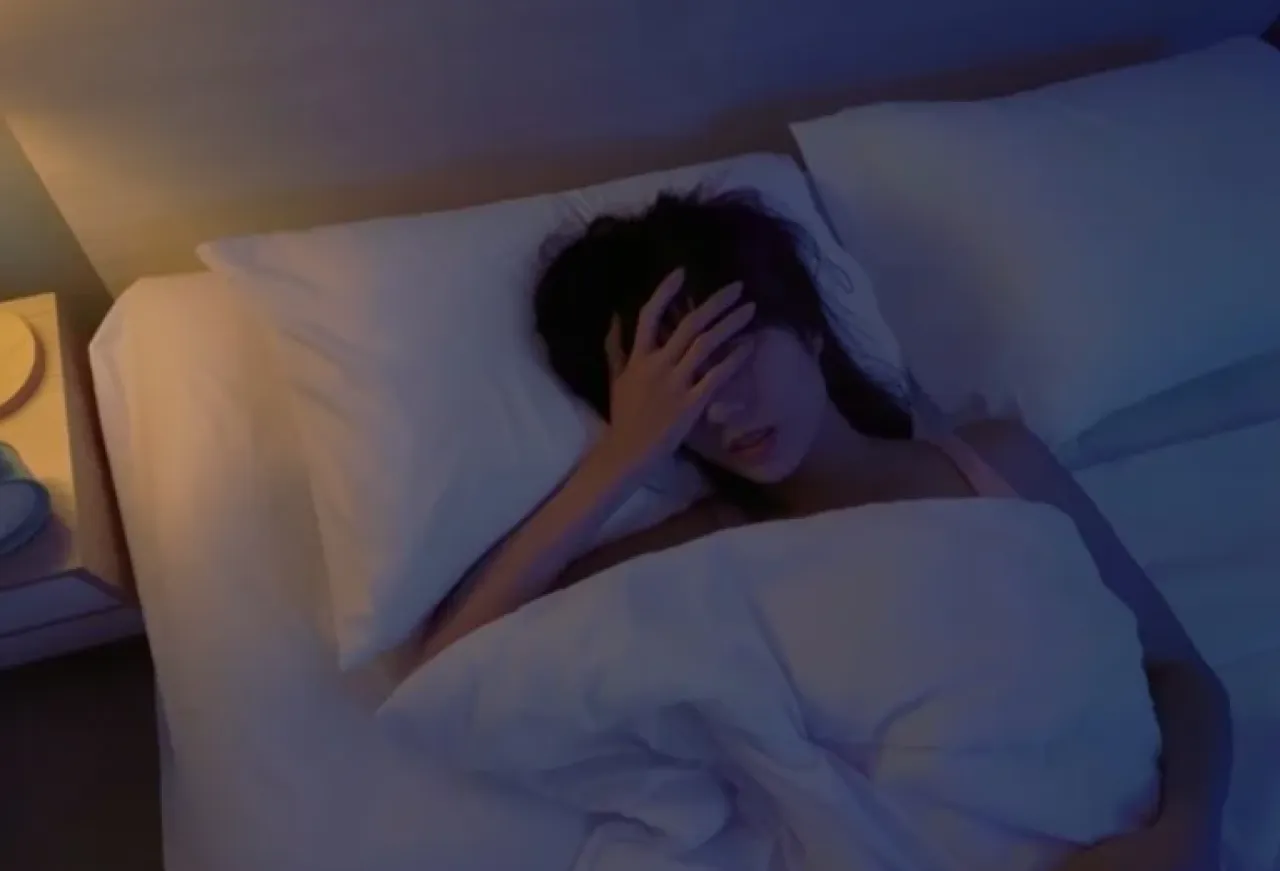
Khaberni - There may be a very simple solution to help reduce the risk of cardiovascular disease: sleeping in the dark, as a study analyzing light exposure records revealed that sleeping in brighter rooms is associated with increased heart risks.
In the study, which is the largest of its kind, researchers analyzed light exposure records for nearly 90,000 people - equivalent to 13 million hours of data - and compared the levels of light exposure with cardiovascular disease records collected after 8 to 10 years.
The benefit of sleeping in the dark
According to "MedScape", it turned out that those who slept in the brightest rooms were more likely to suffer by margins ranging between 30% and 50% compared to those who slept in the dark.
Dr. Frank Sher, director of the Medical Chronobiology Program at Brigham and Women's Hospital in Boston, and the co-researcher said: "For many other approaches, it could be said, given their complexity and their many pros and cons, that we need stronger evidence. But for something like light exposure at night, there is no harm in keeping the place dark, except for using dim light to safely get out of bed."
The study was based on data from the UK Biobank involving people with an average age of 62 years; 57% of them were females who wore light tracking devices on their wrists for one week during the second decade of the millennium.
The researchers categorized their light exposure data into percentile groups: from 0 to 50, from 51 to 70, from 71 to 90, and from 91 to 100, and tracked the rates of cardiovascular disease in these groups.
The risk of bright light
Those who were exposed to the brightest lights at night - equivalent to sleeping with the ceiling light on - were 56% more prone to heart failure, 47% more likely to have a heart attack, and nearly 30% more likely to suffer from coronary artery disease, atrial fibrillation, or stroke, compared to others.
These results remained consistent even after accounting for cardiovascular risk factors, including diet, exercise, smoking, and genetics.