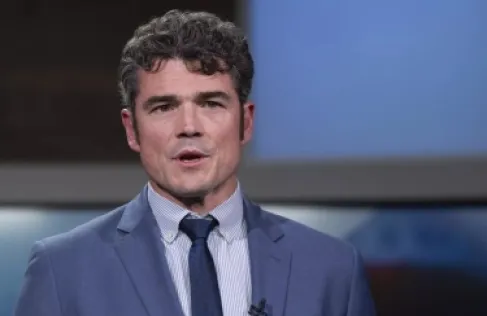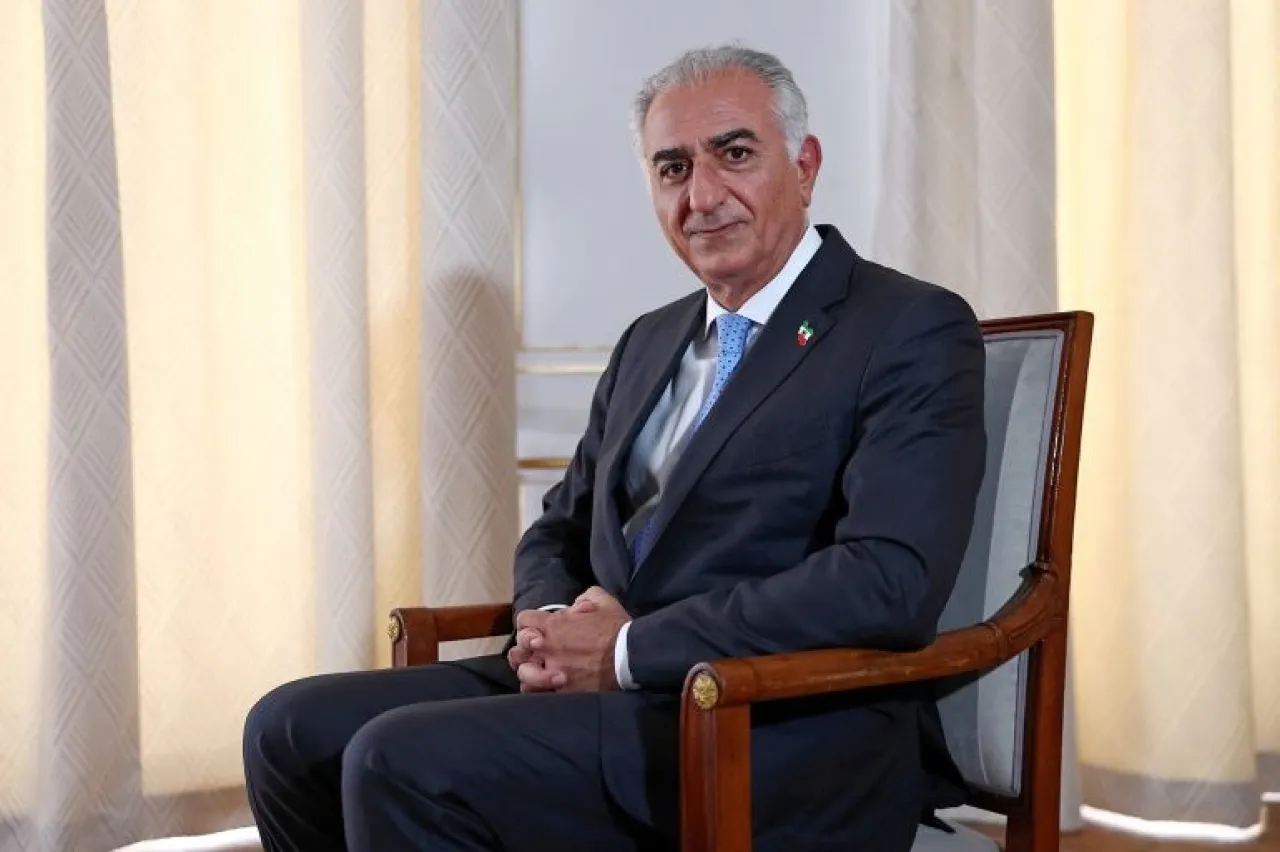
Khaberni - Reza Pahlavi, the son of the late Shah of Iran, has called for military strikes on Iran to hasten the fall of the ruling regime there, amid a wave of protests in the country, and he has reiterated his desire to return to power, although opinions among protesters about his merit vary, according to a report published by The Wall Street Journal.
Reza Pahlavi (65 years old), whose father Mohammad Reza Pahlavi was overthrown by the Islamic Revolution in 1979, on Friday, sought to present himself as a leader of the opposition in the country, and expressed his desire to return and take control of the government.
Pahlavi's name was present in the protests that broke out in Iran in late December last year, as demonstrators took to the streets when he called them to do so last week and chanted his name.
The Wall Street Journal quoted analysts as saying that the demonstrators chant Pahlavi's name perhaps as an expression of their hatred for the current regime, more than seeing him as a potential leader for the country.
Pahlavi said he "is stepping forward to lead the movement" in his country, and he has a 100-day plan to stabilize Iran in case the regime collapses, which has ruled the country since his father was overthrown. He called on the United States and other national governments to exert maximum pressure on the ruling regime, including military strikes targeting the Iranian Revolutionary Guard.
Pahlavi urged the international community to act decisively through several measures, including cutting off funding to the Iranian regime, dismantling the foreign oil shipping network, expelling Iranian diplomats, and deploying satellite-based internet tools like Starlink to break the information blockade.
His Father Was Hated
The American newspaper clarified that before the current protests, Iranians saw Pahlavi as an unlikely leader, and his father was hated because of his authoritarian rule and suppression of political opposition, in addition to what critics considered his submissiveness to the United States.
According to Wall Street, analysts report that Pahlavi's growing popularity reflects how dissatisfied Iranians are with the current government, but few of them would support a return to the monarchical regime that existed before the Islamic Revolution.
According to the journalist, Pahlavi has promised to lead a transitional phase towards democracy, committed to conducting free and fair elections, and said he was confident of receiving support from President Donald Trump, who had previously doubted Pahlavi's ability to lead.
Trump Retracts
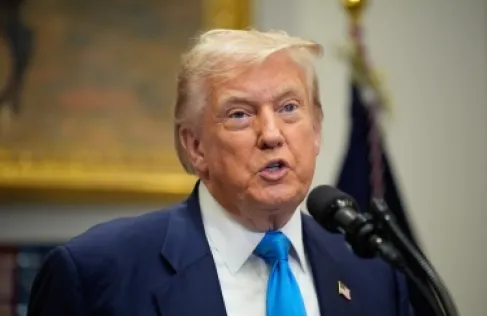
Pahlavi's statements came as President Donald Trump began to back off from the option of military intervention in Iran, after receiving advice that his country currently does not have enough military capabilities in the region to attack Iran and face any retaliatory strikes, as learned by The Wall Street Journal from U.S. officials.
President Trump said last Friday that he decided not to strike Iran after the authorities there had canceled what he said were 800 scheduled executions.
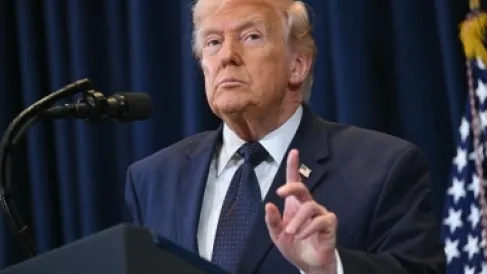
Trump had repeatedly brandished the military option against Iran, warned the ruling regime of the consequences of using violence against protesters, and encouraged Iranians to take to the streets to protest.
While the military option against Iran is now suspended, Washington announced new sanctions on Friday against Iranian officials, claiming they are responsible for bloodshed, including Ali Larijani, head of the National Security Council of Iran.