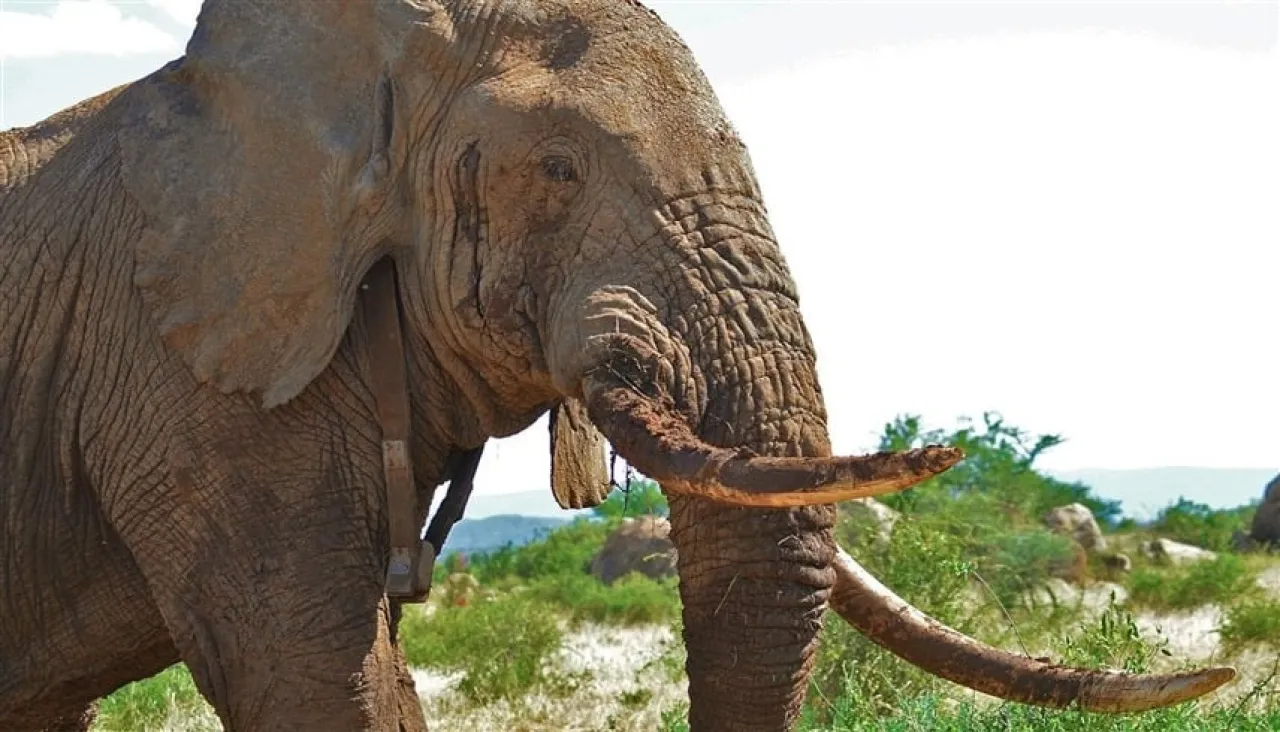
Khaberni - At least 17 people have died, including four members from one family, due to consecutive attacks by an elephant in Jharkhand state, East India, within just a few days since the beginning of the year.
It is believed that the elephant, a young adult male, is responsible for about 12 separate attacks since January 1 in the West Singhbhum area. The most recent incident was the death of a woman on Wednesday, January 7, who died after being transported to a local hospital.
The victims recently included individuals such as Chitpri Chembir from Sialgud village, 40-year-old Prakatch Das, and a minor child, according to "People" magazine.
In another incident in Babadia village, a couple and their four children were killed together. Aditya Narayan, a regional official in the Forest Department, stated that wildlife teams have so far not succeeded in locating the elephant, but several governmental and independent agencies from different parts of India have participated in the search for it.
Attempting to Track
He added, “We are still staying in the fields trying to track the elephant with multiple teams, but it has not been seen today,” noting that the Forest Department has issued several guidelines to residents on how to act when encountering the elephant.
According to the "Times of India," the movement patterns of the elephant indicate that it is moving randomly within a circle of about 100 kilometers across three forest areas, and was last tracked on Thursday, January 8.
Smita Pankaj, the regional head of forests in Kolhan, confirmed that the current focus of the teams is to prevent any new injuries.
Chandan Kumar, Deputy Commissioner of West Singhbhum district, stated that the authorities are moving residents from nearby villages to safer places while wildlife experts attempt to track the elephant.
Local witnesses reported that the attacks often occur at night while residents are asleep, and that they have resorted to fireworks and patrol teams to keep the animal away from populated areas.
Aggressive State
It is believed that the elephant is in a state called "Musth," a hormonal condition specific to male elephants in both Asian and African species, which increases their testosterone levels and makes them extremely aggressive, according to Denver Wildlife Park.
Local residents have demanded permanent solutions to deal with these violent attacks, in addition to compensating the victims' families.