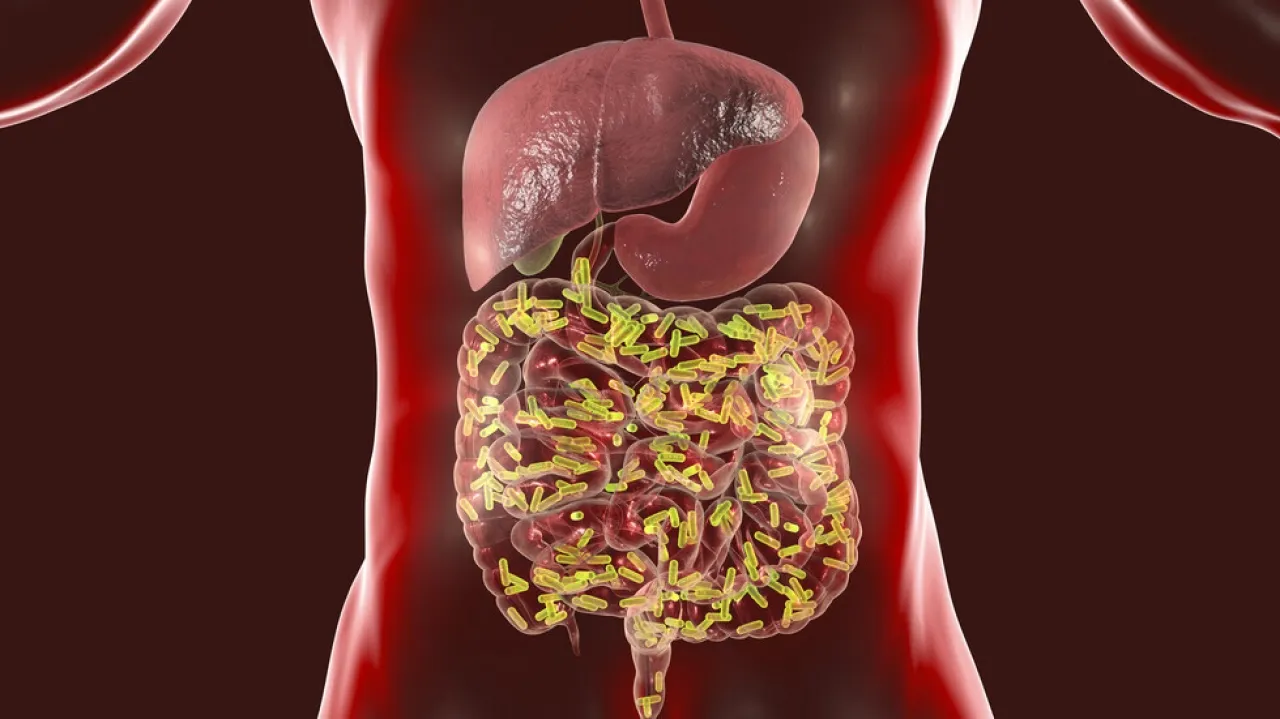
Khaberni - A recent study conducted by the University of Utah suggests that consuming certain fiber-rich foods such as beans, lentils, and prune juice may help prevent weight gain, even in those who follow a high-fat diet, by promoting the growth of beneficial gut bacteria Turicibacter.
The study followed mice that were fed a high-fat diet for eight weeks; the results showed that the mice that did not receive any bacterial supplements gained 25% more weight, while those that consumed the Turicibacter supplement gained only about 10% of their weight.
The researchers, according to "Daily Mail", stated that the results open the door to the possibility of using these bacteria to help prevent weight gain in humans, although dietary supplements containing Turicibacter are not yet widely available.
The study explained that a diet rich in fibers, fruits, and vegetables can increase the numbers of these bacteria in the gut, as fibers serve as a food source for the microorganisms.
Previous results indicate that prune juice contains polyphenol compounds that enhance the growth of Turicibacter in the guts of obese mice.
Researchers warned that the bacteria do not grow in those who follow a high-fat diet, as they struggle to survive in a high-fat environment.
Dr. June Round, an immunologist and leader of the study, said: "I did not expect a single microbe to have such a large impact. I thought it would be a mix of three or four," adding that the results were astounding when she noticed that the mice remained slim despite the high-fat diet.
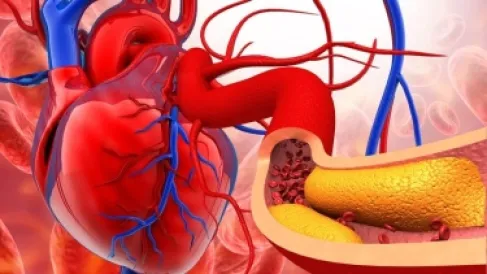
The study also showed that mice consuming Turicibacter experienced reduced levels of ceramides, the fatty molecules associated with type 2 diabetes and heart disease, compared to other mice. This effect might be linked to the bacteria's ability to break down fatty molecules in the gut.
Experts pointed out that enhancing the growth of Turicibacter can be part of a healthy and balanced diet that includes onions, garlic, artichokes, asparagus, cocoa, foods rich in omega 9 such as olive oil, avocados, and cashews, while avoiding saturated fats that reduce these bacteria.
Dr. Federica Amati, a nutrition specialist in the UK, clarified that traditional diets focusing only on reducing calories can lead to slowed metabolism and increased hunger hormones, whereas focusing on consuming healthy, nutrient-rich food provides the body with the ability to better control weight without severe deprivation.