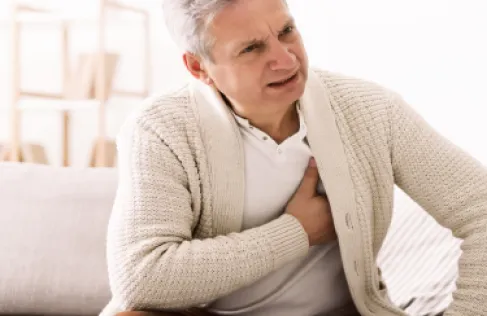
Khaberni - High blood cholesterol constitutes a silent threat that may gradually evolve without clear symptoms, suddenly presenting with severe life-threatening complications.
The danger begins when harmful cholesterol accumulates on the walls of the arteries, causing constriction that impedes the vital blood flow to various organs.
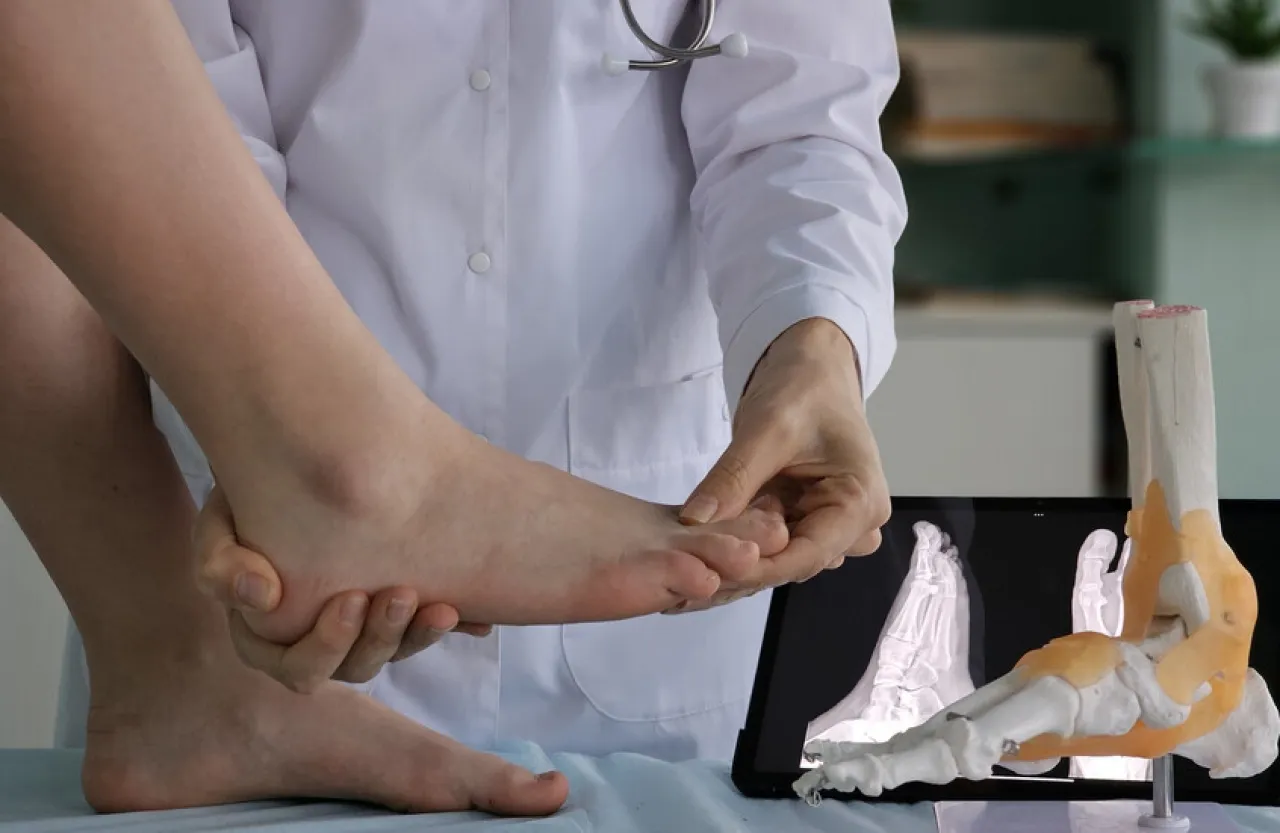
This slow destructive process is not limited to the arteries near the heart but also extends to blood vessels in the limbs, where specific warning signs in the feet can be an early indicator of deeper problems.
In cases of chronic high cholesterol, the feet transform into a display screen reflecting the state of peripheral circulation. As blood circulation weakens due to the buildup of fatty deposits, symptoms start appearing as recurrent pain that intensifies during movement, followed by changes in the skin such as pallor and coldness, and then progressing to slow-healing ulcers.
In advanced stages, it may lead to muscle atrophy and hair loss in the legs, and in the worst cases, it may develop into gangrene that threatens the loss of the affected limb.
The difficulty in dealing with high cholesterol lies in its deceptive nature, as it rarely makes itself known in the early stages, making regular blood testing the most effective means of early detection.
Addressing this health challenge requires a multi-pronged strategy beginning with revising dietary habits, where reducing saturated fats and increasing healthy fats play a pivotal role. Furthermore, maintaining regular physical activity that stimulates circulation and enhances the body's adaptability is essential, together with regular medical follow-ups, especially as age advances or other risk factors are present.
It is noted that awareness of this condition and its subtle symptoms, particularly those that appear in the extremities, represents the first line of defense in maintaining health.