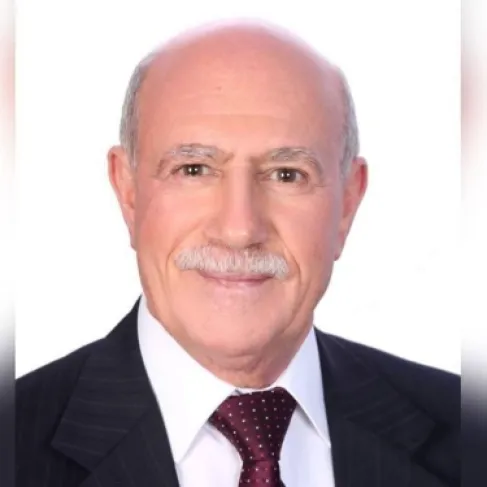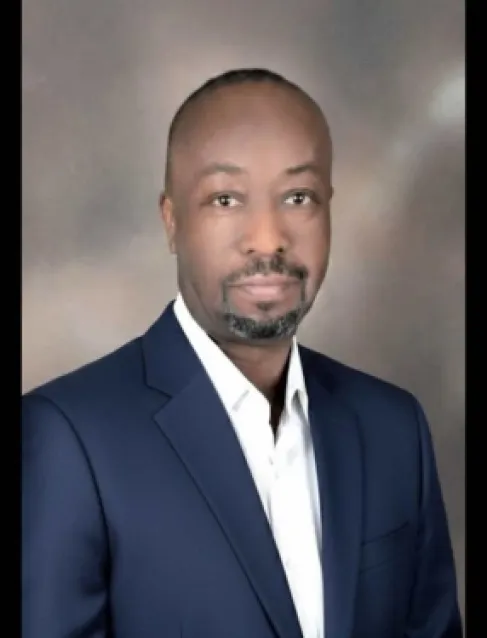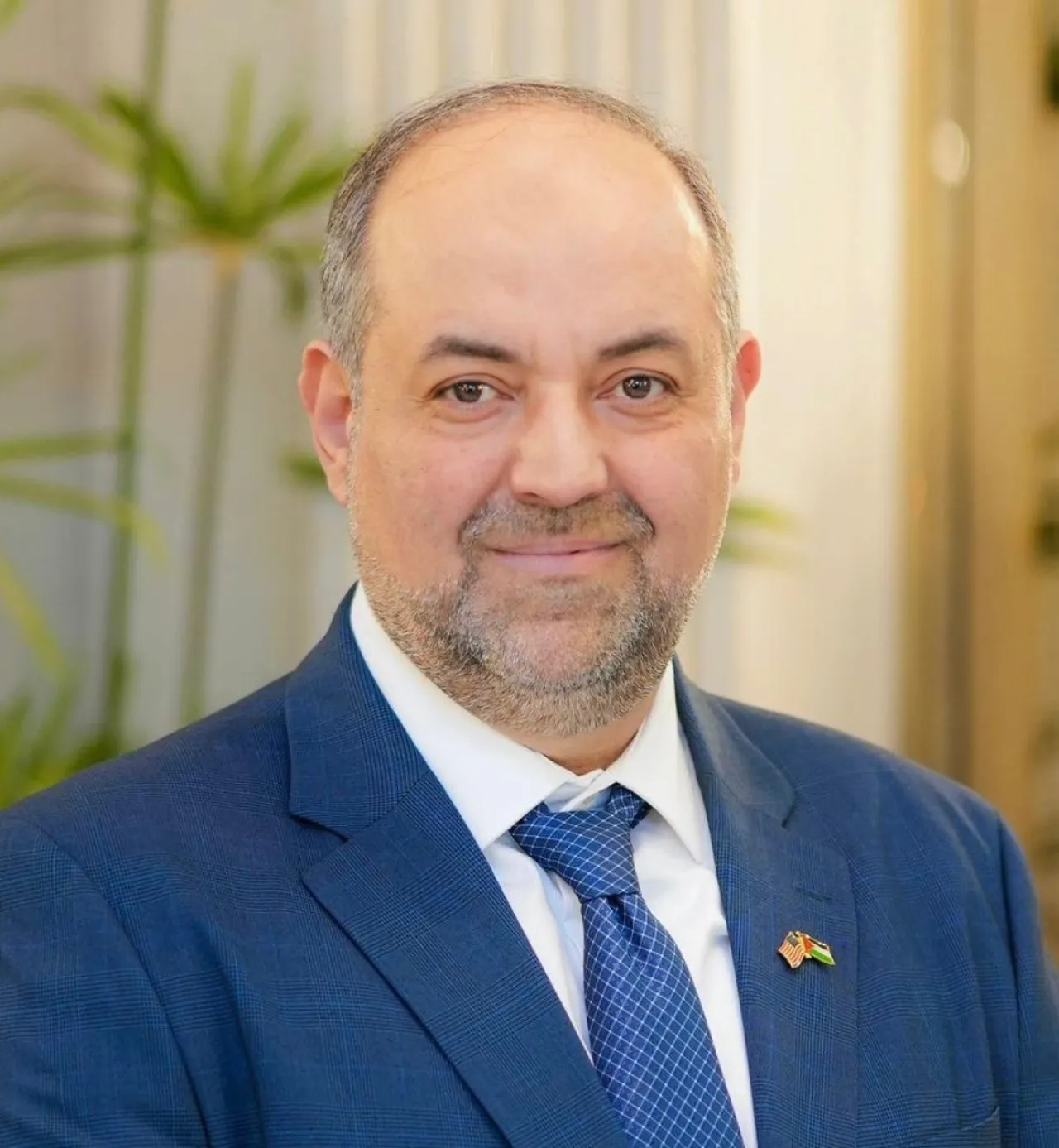
He does not like to be in the spotlight, does not master the game of headlines, and does not possess the common desire to be present wherever the camera is found. Nevertheless, when some difficult doors are opened, and when Jordanian interests navigate through narrow corridors within one of the world's most complex markets, Dr. Tariq Najeeb, President of the Jordanian-American Business Council, is found to be present, not just in title, but actively present without asking for recognition, and without imposing himself on the scene.
Writing about this kind of man is not easy because you do not have a ready story, nor a dramatic scene, nor a biography that can be summarized in points you write knowing that any exaggeration will be exposed, and that any artificiality will lose the text its authenticity. He is a man who poses a real challenge to the journalist: either you write with awareness, or you remain silent.
In a world where everyone talks about international partnerships as if they were quick-profit projects, Tariq Najeeb appears to be swimming against the current. He knows that the relationship between Jordan and the United States is not a field of slogans, but both an economic and political minefield simultaneously where every step is calculative, every word weighs heavy, and every promise could become a burden if not well considered. Thus, he deals with the economy as a weighty file, not as a chance for showmanship, focusing on small details, caring about the margins, and knowing that failing in the details is the quickest way to ruin the bigger picture. Here, we see not a traditional businessman, but a mind that operates quietly, more fearful of mistakes than chasing quick achievements.
The leadership of the Jordanian-American Business Council is not a social title, nor a pass to the elite. It is a sensitive position that requires cool nerves, an ability to maintain balance, and an awareness that you represent a country before you represent an idea. Many see this role as an opportunity for exposure, but Tariq Najeeb saw it as a heavy responsibility, and perhaps for this reason, he dealt with it with such reserve where we do not see him chasing after the media, nor do we hear him listing his achievements as if he knows that the position, if not managed rationally, could become a burden to its holder and his country. Therefore, he chose to be present where necessary, and absent where presence bears no fruit.
In the business world, saying “yes” is much easier than saying “no” where "yes" opens doors quickly and gives a temporary feeling of success. However, "no" requires courage, enduring consequences, and being prepared to pay an unseen price. Tariq Najeeb is one of the few who do not fear this word;
He does not agree merely out of courtesy, nor does he pass ideas because time does not permit discussion. He prefers that an agreement be delayed rather than be fragile, and that a project be canceled rather than be a future burden. This type of thinking does not gain popularity but accumulates long-term respect.
Many in the economic scene excel at selling illusions where they talk about immature opportunities, about markets more open than they actually are, and about future successes built on fragile assumptions. Tariq Najeeb does not belong to this school; he does not downplay difficulties, nor beautifies reality. He discusses the U.S. market as it is: difficult, competitive, and unforgiving to those who do not understand its rules. He discusses the Jordanian economy realistically where there are real potentials, but they require long-term work, not quick promises. This honesty, though sometimes seeming harsh, is what lends his words weight.
Being a link between two different economies means walking a fine line where any excess tilt could be interpreted as dependency, and any strictness could be read as confrontation. Tariq Najeeb chose a third path which is mutual respect without bending, and openness without dissolving, presenting Jordan not as a weak case seeking opportunity, and not the U.S. as a power imposing its terms. He presents partnership in a language of balanced interests and knows that respecting one's economic self is the first condition of any successful relationship.
Some may wonder: why doesn’t he speak more? Why doesn’t he explain more?
The truth is that the man recognizes that silence can sometimes be more eloquent than speech. In an environment filled with statements, silence becomes a stance, and in a scene suffering from rhetorical surplus, quiet action becomes a rare value where Tariq Najeeb does not deal with the media as a platform for validation, but as a tool only when necessary knowing that excessive talk could void the idea of its meaning, and that some files should not be managed in public.
Tariq Najeeb is not an exceptional case to be hung on walls, nor a story to be told at conferences for he is a man who knows his role's limits, and performs them without noise. He does not seek to be a hero, nor fears being out of the picture. He is among those who work in the shadows, but whose impact is seen in the slowly changing directions, and in decisions attributed to no one, but that make a difference in a country that needs this kind of rationality more than its need for speeches. Tariq Najeeb remains a quiet name, but his presence cannot be ignored.