Khaberni - A heart attack is a medical emergency that necessitates immediate contact with emergency services. Nonetheless, warning signs may sometimes appear weeks before it occurs, necessitating a doctor's visit.
First, what exactly happens during a heart attack?
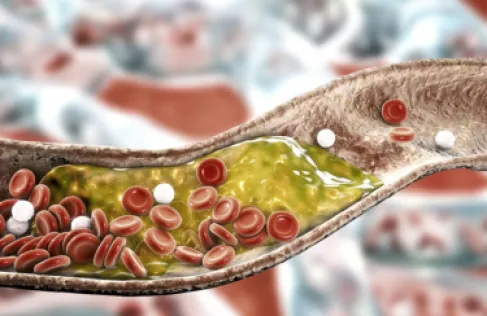
According to "Medical Express", a heart attack occurs when the blood vessels that supply the heart with oxygen and nutrients, known as the coronary arteries, become blocked. One reason for this is the buildup of calcium deposits, according to the German Heart Foundation.
Since this process is gradual, symptoms often appear before the blockage occurs, when the vessels have already narrowed, known as coronary artery disease.
Symptoms that require medical examination
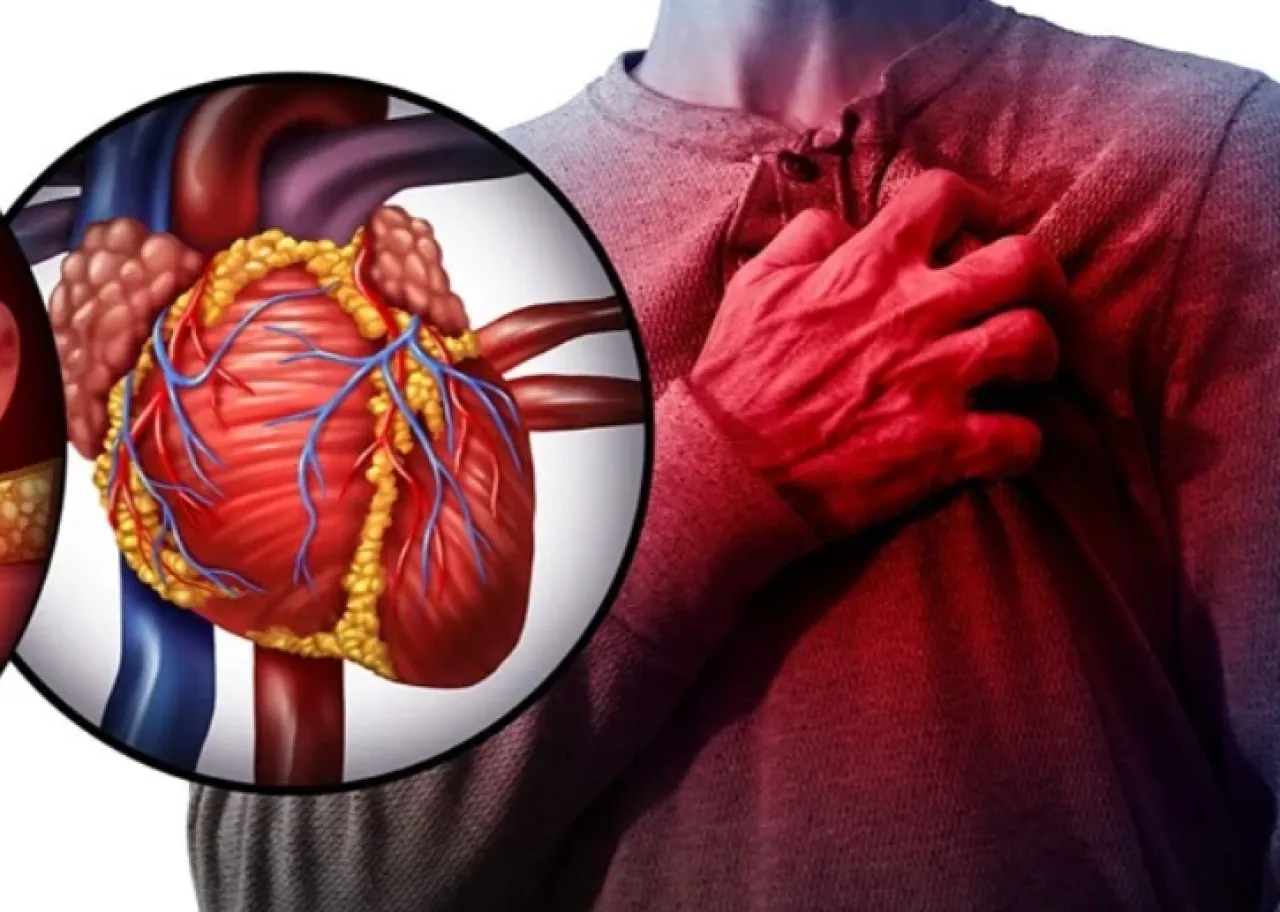
Common symptoms of coronary artery disease include angina. Affected individuals feel pain, pressure, or tightness in the chest, and they have difficulty breathing. If these symptoms appear during physical effort and improve at rest, a doctor's visit is necessary.
However, even less severe symptoms may be indicators of an impending heart attack and should be medically examined.
This may include if you have difficulty climbing stairs for more than two weeks, feel weak, suffer from unexplained shortness of breath, or get tired quickly.
When every minute counts
The situation becomes critical when angina - pain, or pressure, or tightness, and shortness of breath - occurs suddenly even at rest. This may indicate an imminent heart attack.
This stage may last for several weeks, but sometimes only a few hours.
If a person wakes up at night suffering from chest pain, they should contact emergency services immediately.
In the event of a heart attack, every minute is crucial as there is a risk of permanent heart failure and cardiac arrest.
Common symptoms include the following:
• Sudden and sharp pain in the chest or behind the breastbone lasting more than 5 minutes.
• Pain spreading to other parts of the body, such as the arms (usually the left arm), upper abdomen, back, neck, or shoulder blades.
• Intense pressure and tightness in the chest, as if an elephant or a heavy load is sitting on the person.
• Severe burning in the chest, which may resemble heartburn.
Different symptoms in women
It is important to note that women often experience heart attacks differently.
Specifically, women sometimes suffer from nonspecific symptoms, such as pain in the upper abdomen, which may be mistakenly thought to be stomach pain, or nausea, or vomiting, or dizziness, or unexplained fatigue.