Khaberni - A new human rights report issued by the Palestinian Prisoners Institutions documents what it describes as a "systematic genocide" against prisoners and detainees in Israeli occupation prisons and camps, calling it an extension of the "genocide" in the Gaza Strip and other Palestinian territories.
The report recorded an unprecedented rise in arrest campaigns and the number of administrative detainees and those classified as "unlawful combatants," alongside new Israeli legislation, notably a bill to execute prisoners.
Martyred Prisoners
The report revealed that more than 100 prisoners and detainees have become martyrs since the beginning of the war on Gaza on October 7, 2023, with 86 identities announced, including 32 prisoners martyred during 2025, among them a child, while the occupation continues to detain the bodies of 94 prisoners.
The report indicates that this tally is historically unprecedented, as it equals the number of prisoners martyred in occupation prisons and camps over 24 years between 1967 and 1991, affirming that what is happening is a "systematic genocide" using torture, starvation, denial of treatment, sexual violence, and collective isolation as tools of execution inside prisons, amid international incapacity and a state of "exception" that keeps the occupation above accountability.
Arrests in the West Bank and Jerusalem
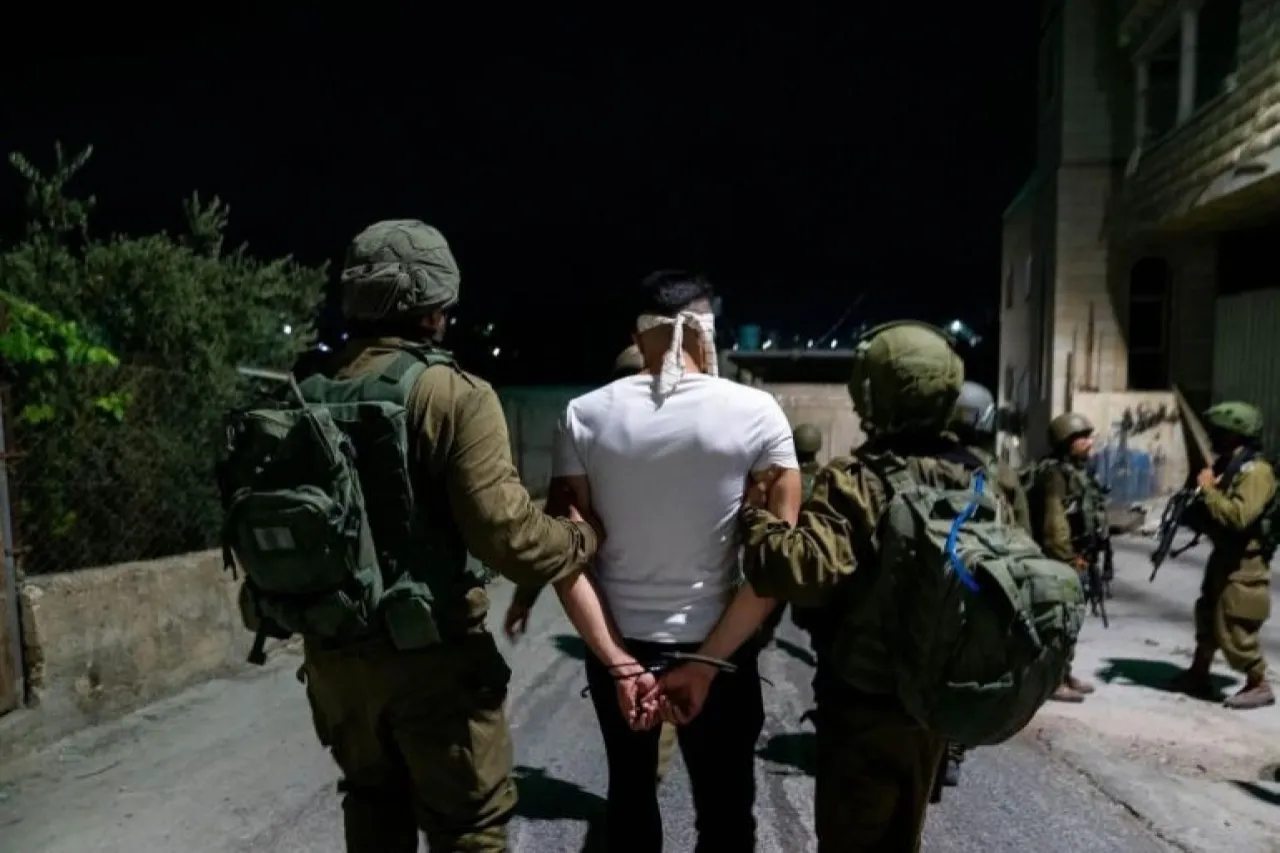
Palestinian prisoners' institutions documented about 21,000 cases of arrest in the West Bank including Jerusalem since the war began, with 1,655 children and 650 women among them, not counting thousands of detainees from Gaza and hundreds of detainees from inside the 1948 lands.
In 2025 alone, over 7,000 arrests were recorded, including 600 children and 200 women, along with 217 cases of arrest and detention among journalists, and more than 360 among medical crews, in campaigns characterized by systematic abuse, extensive destruction of homes and infrastructure, and the use of hostages and human shields.
Prisoners Without Charges
The data from the prisoners' institutions indicate that 49% of the total of over 9,300 prisoners in central prisons are arbitrarily detained without charges or trials, with the occupation authorities detaining 3,350 as administrative detainees, alongside 1,220 classified as "unlawful combatants" under a law primarily applied to detainees from Gaza.
The institutions also confirm that this escalation included the administrative detention of women and children, among them 16 female prisoners and dozens of children, alongside the expanded use of the "unlawful combatant" law, which covered 2,700 detainees prior to one of the exchange deals, as well as detentions based on what the occupation authorities describe as "incitement" through social media platforms.
Released Prisoners
The year 2025 saw the release of 3,745 prisoners, male and female, in successive exchange batches, with a first deal in 7 stages in January/February releasing 1,777 prisoners, and an October deal within a "ceasefire agreement" releasing another 1,968.
Additionally, a November 2023 deal that included 240 children and female prisoners brings the total number of those released since the war began to 3,985, including 383 forcibly expelled outside of Palestine.
Legislative Escalation
"Israel" witnessed unprecedented legislative escalation after the war, with over 30 new laws and amendments passed, raising the number of racist laws to about 100, and entrenching a system of segregation and oppression especially against prisoners.
These laws enabled the declaration of an "emergency detention situation," tightening detention conditions, withdrawing nationality and residency, stopping allowances, expanding the detention of children, and extending periods of detention and administrative detention.
On November 10, 2025, the Knesset approved in the first reading a bill allowing the execution of Palestinians, alongside classifying Gaza detainees as "unlawful combatants" and detaining them for long periods without charges and preventing them from meeting lawyers, turning the legislation itself into a tool of collective revenge and providing a legal cover for grave violations.