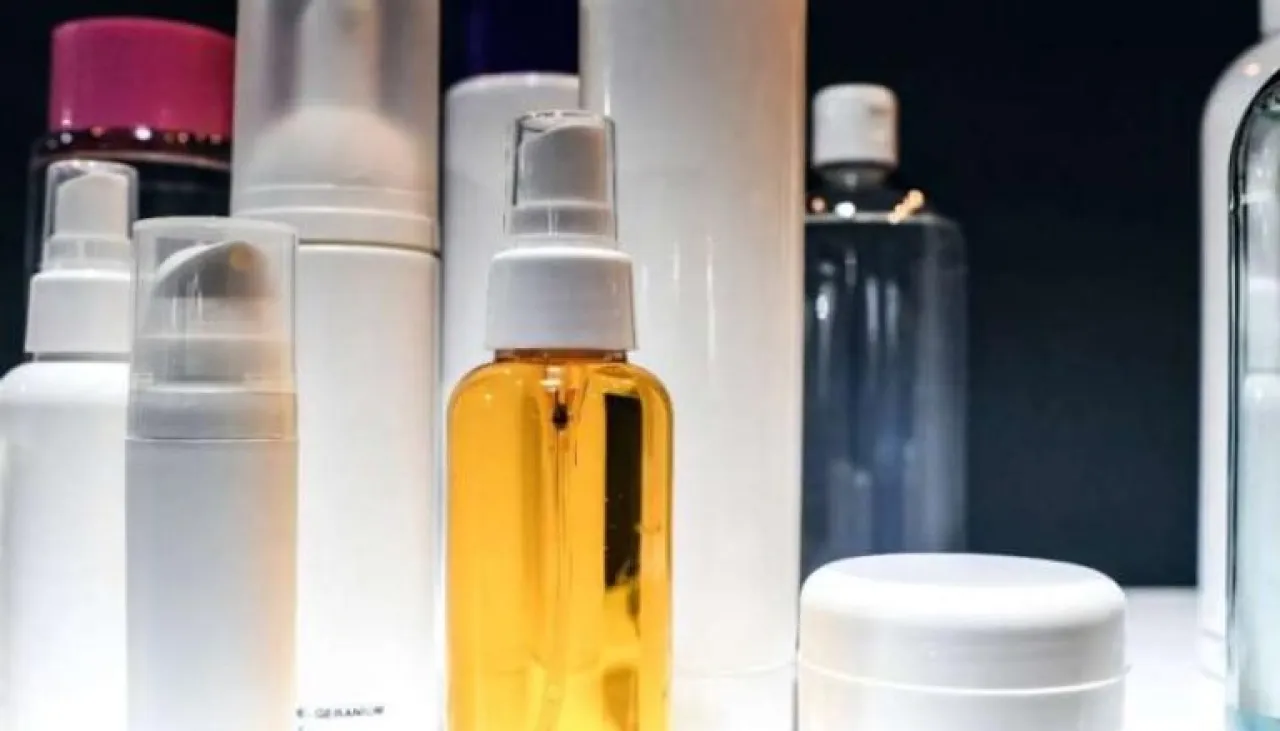
Khaberni - A new French ban has come into force, which prohibits the production and sale of cosmetics and most types of clothing containing forever chemicals.
Forever chemicals, known as "per- and polyfluoroalkyl substances" or "PFAS," are man-made synthetic materials used widely since the late 1940s in the manufacture of non-stick, water and stain-resistant products, such as cookware, umbrellas, carpets, dental floss, and various textiles.
However, these substances are characterized by their extreme resistance to natural degradation, which has earned them the moniker "forever"; over time, they have leached into soil and groundwater, and thus into the food chain and drinking water.
Increasing health and environmental risks
Scientific studies have shown that "forever chemicals" have spread across the world, being detected in remote places like the top of Mount Everest, as well as being discovered within human bodies, including blood and brain tissue.
Chronic exposure, even to low levels of these substances, is associated with serious health risks including liver damage, elevated cholesterol levels, weakened immune response, reduced birth weights, and several types of cancer.
Details of the French law
The French Parliament passed the law last February, which stipulates a ban on the production, import, or sale of any product that has available alternatives free from "PFAS forever chemicals" starting from January 2026.
The ban includes cosmetics, ski wax, and clothing containing these materials, with an exception for some industrial textiles deemed "essential."
In contrast, non-stick cookware was excluded from the bill after intense pressure from the owners of the French company Tefal.
The law also mandates the French authorities to conduct regular and comprehensive tests on drinking water to detect all types of "forever chemicals."
Varying international context
Thousands of types of "PFAS forever chemicals" exist, and some of them have been banned since 2019 under the Stockholm Convention on Persistent Organic Pollutants, although China and the United States are not among the more than 150 countries that have signed the convention.
Among the internationally banned substances is perfluorooctanoic acid, which was used by the American company DuPont since the 1950s in the manufacturing of “Teflon” non-stick coating, and also perfluorooctanesulfonate, which was widely used as a water-repellent agent by the "Minnesota Mining and Manufacturing Company," and its use was severely restricted since 2009.
On the American level, some states, including California, have begun implementing bans on the intentional use of "forever chemicals" in cosmetics starting in 2025, with other states set to follow in 2026.
Meanwhile, Denmark plans to ban the use of “forever chemicals” in clothing, footwear, and some water-resistant consumer products starting from July 1, 2026, having already banned these materials in food packaging since 2020.
While the European Union continues to study the imposition of a comprehensive ban on the use of "forever chemicals" in consumer products, unified legislation or executive actions have not yet been introduced at the EU level.