Khaberni - The acting Secretary-General of the Ministry of Local Administration, Bakr Al-Rahamneh, said that the ministry is working on developing strategic plans to adapt to climate change, and is adopting a long-term planning approach that focuses on enhancing the efficiency of municipal infrastructure through updating engineering standards and linking urban planning with flood risks.
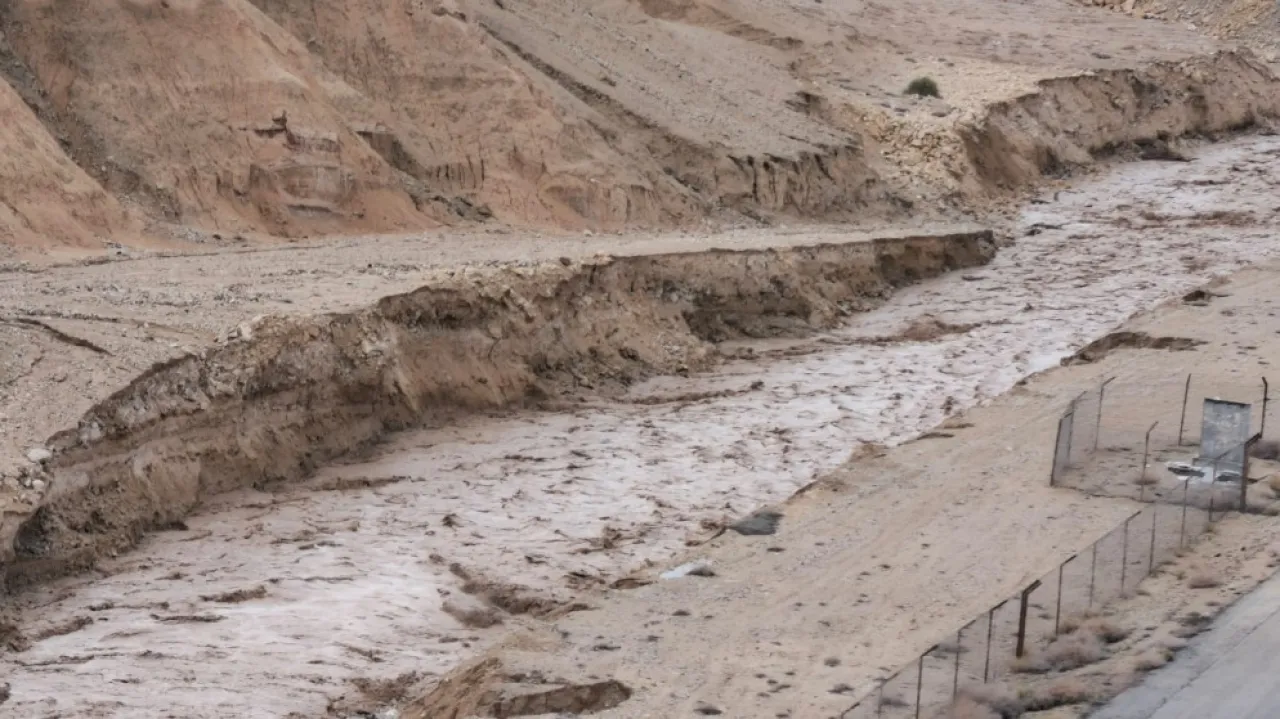
Al-Rahamneh added that the ministry will prevent the licensing of any buildings within the bounds of valleys, and will take strict measures towards violations that threaten public safety, according to the kingdom.
He explained that the ministry will integrate risk maps into all licensing and implementation decisions, and will enhance the proactive preparedness of municipalities, directing investments towards sustainable projects capable of facing climate change and reducing future losses.
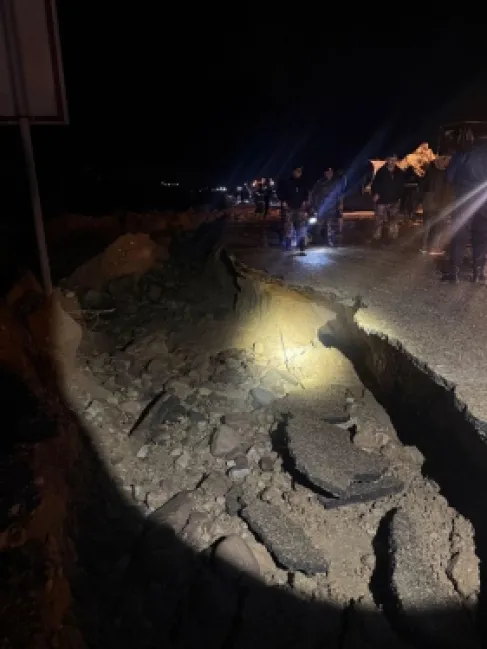
Al-Rahamneh pointed out that the ministry's specialized engineering teams have begun studying and evaluating hotspots and affected sites since Tuesday morning, aiming to identify damages and estimate the direct costs of implementing immediate, temporary solutions to mitigate the effects of the rainy season, and that permanent solutions will commence after completing the necessary procedures.
Regarding water crossings, he explained that their implementation requires precise studies and funding, and will begin immediately after completing the studies and securing financial resources.
He added that the ministry has directed all municipalities and their councils to allocate financial provisions for developing infrastructure within the 2026 budget, in addition to allotting large amounts to support addressing hotspots and reducing phenomena that may affect public and infrastructure safety in the future.
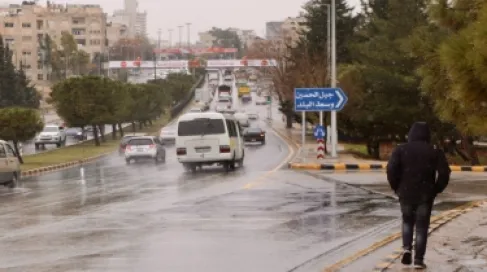
Al-Rahamneh confirmed that during the recent low-pressure system, the ministry dealt with more than 800 emergency cases, all of which were resolved in cooperation with municipalities.