- Energy Regulation Authority: Immediate transition available to licensed companies to ensure continuity of domestic gas supply after one company’s license expires.
- Energy Authority: 9 licensed companies in Jordan technically capable of continuing the supply
- Energy Authority: Free inspection of home networks before filling gas to home networks
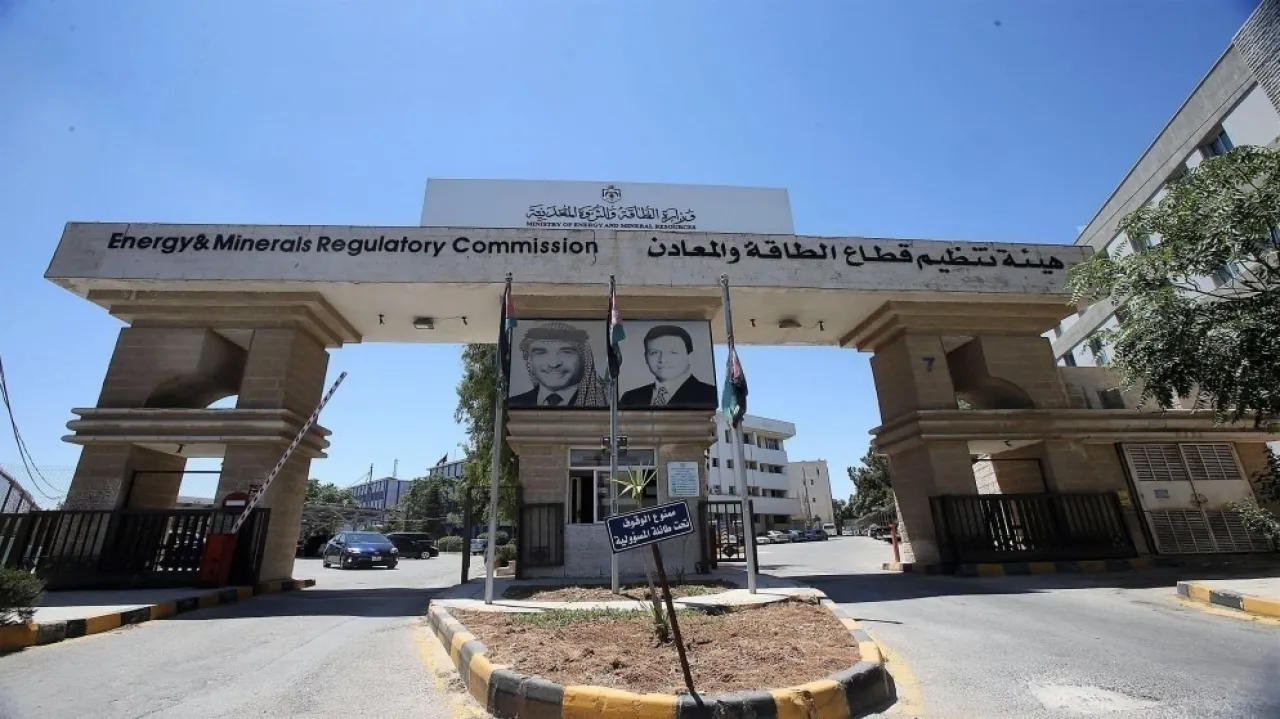
Khaberni - The spokesperson for the Energy and Minerals Regulatory Commission, Tahreer Al-Qaq, said on Monday that the authority had received complaints from citizens about the disruption in their domestic gas supply by one of the companies operating in the implementation and installation of centralized liquefied gas networks through pipes for residential complexes, due to the expiration of its legal license. She confirmed that the authority is directly following the issue within the legal and regulatory framework, and subscribers can immediately contract with any of the licensed companies working in this field.
Al-Qaq affirmed that the company that ceased supplying is currently working on completing the licensing procedures, noting that there are nine licensed companies technically capable of continuing to supply subscribers without interruption, and that subscribers can directly contact the authority to secure their gas supply from licensed companies without waiting for the company to complete the licensing procedures, according to Al-Mamlaka.
She added that the licensed companies offer a service to inspect the domestic gas network for free before beginning the supply process, to ensure its safety, technical readiness, and the quality of the connections, stressing that this procedure aims to ensure safe supply, protecting both the subscriber and the supplying company.
In a related context, Al-Qaq confirmed that the domestic gas supply sector is rapidly expanding in Jordan, which requires continuous development of the regulatory framework. She pointed out that the authority is currently conducting a comprehensive review of the instructions and systems related to licensing and operating domestic gas delivery companies, and the mechanisms for contracting with subscribers, in a way that enhances the clarity of rights and obligations, defines the fees due from subscribers, and any additional costs that may arise from service supply, and ensures their compliance with the regulatory rules and the quality of service.
In conclusion of her statement, she invited subscribers to cooperate with the licensed companies and allow the necessary technical inspections, considering them as an essential part of the safety requirements, quality of service, and its continuity, especially with the increasing reliance on domestic gas during the winter season.