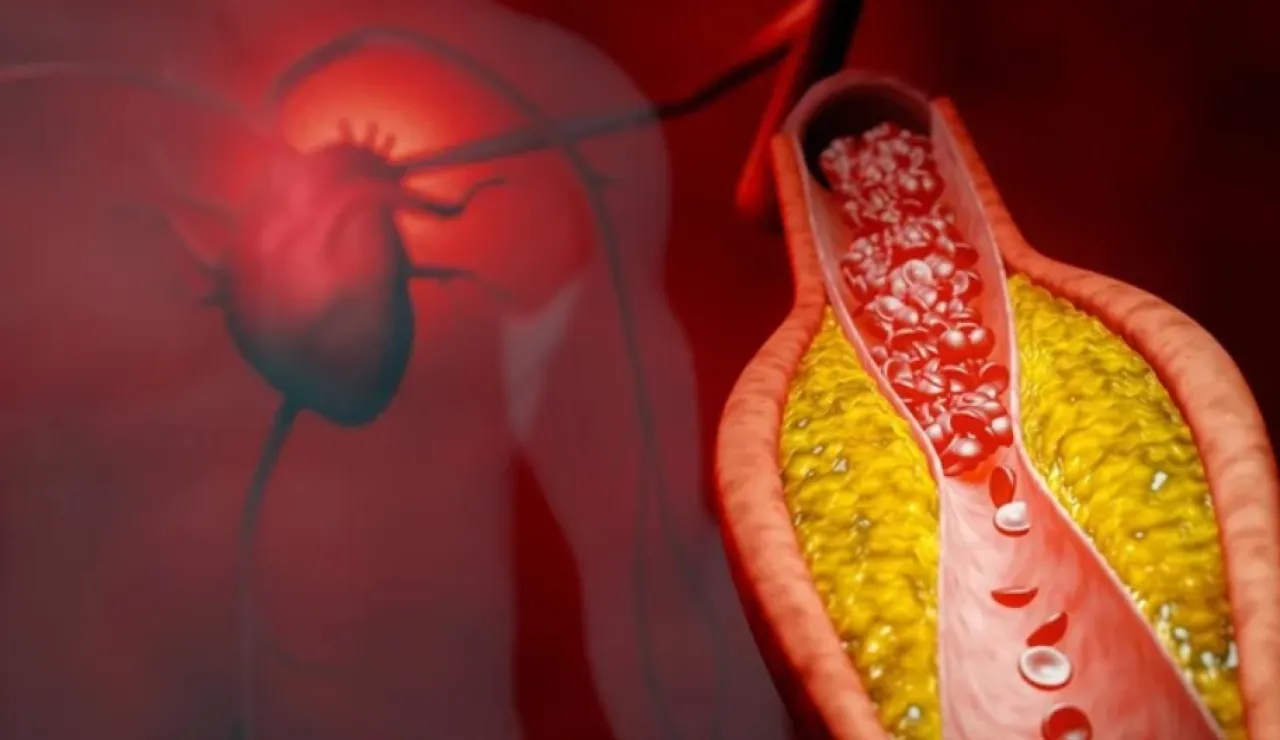
Khaberni - Cholesterol elevation is one of the most common health risks, contributing to the narrowing of blood vessels, and if left untreated, it may increase the risk of having a heart attack, a stroke, or even dementia.
There are two types of cholesterol, good and harmful. Cholesterol itself is not an enemy; it is a vital substance used in the production of hormones, vitamin D, and cell membranes. The problem arises when the level of harmful cholesterol rises excessively.
While some cases of high cholesterol are hereditary, the most common factors for increased harmful cholesterol are lifestyle-related, including poor nutrition, lack of exercise, smoking, and excessive alcohol consumption.
Lifestyle Changes
For many people, organized lifestyle changes can significantly improve cholesterol levels, either by reducing the need for medication or by helping statin drugs work more effectively.
Dr. Christine Norman, a cardiologist, advises in an article for the "Daily Mail," about 3 modifications, having seen their impact on her patients.
She says: "Lifestyle changes are still advised alongside medication, and in some cases, patients are given 3 months to improve their cholesterol levels through diet and physical activity before prescribing statins, based on their risk of heart attack or stroke".
Nutrition
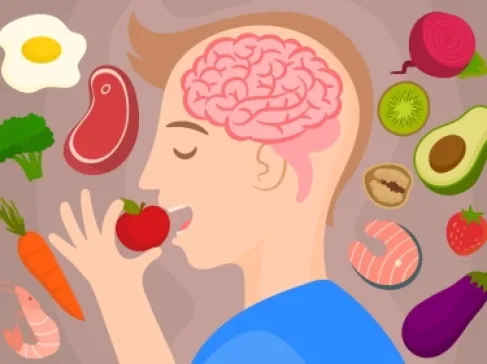
Dietary changes require flexibility, eating meals rich in fiber, reducing animal fats, and most importantly, cooking meals at home.
Norman explains: "You should prepare balanced dishes: half filled with fruits or vegetables of different colors; a quarter with whole or fiber-rich carbs such as brown rice, pasta or dark bread, potatoes with their skin, oats, quinoa, or barley; another quarter with low-fat protein such as fish, skinless poultry, beans, or lentils; and a small portion of healthy fats such as nuts, seeds, olive oil, or avocado".
Sleep, a Hidden Factor
The duration and quality of sleep have long been linked to heart health, and lack of sleep can unconsciously raise cholesterol levels.
A Chinese study analyzing data from 9,000 people found that both lack of sleep and short duration are associated with lower levels of good cholesterol, which plays a critical role in balancing with harmful cholesterol.
Another study found that those who suffer from lack of sleep consume on average 385 more calories per day. They tend to eat more fats and less proteins, a pattern known to have a negative impact on cholesterol levels over time.
In other words, lack of sleep not only affects your feeling of tiredness the next day but also impacts your appetite, food choices, and metabolic health.
The Positive Impact of Activity
Exercise helps the body use saturated fats as a source of energy. The more active you are, the more saturated fats your muscles burn for energy, reducing the circulating fat in the bloodstream, and lowering unhelpful cholesterol levels.
What's more, any amount of movement is beneficial. The best start is simply to increase your activity a little more than you do now, then gradually build on it. Even short periods of intense activity can have a positive impact, as a little is better than none.