In Jordan, organ transplantation represents one of the most sensitive and important health issues, due to its human, ethical, and medical dimensions. Although there has been significant progress in certain aspects of healthcare, organ transplantation from brain-dead donors remains extremely limited compared to the actual need and the number of patients waiting for a new chance at life.
The clear paradox is that the culture of donating after death is not foreign to the Jordanian society. The donation of corneas after death has been practiced for many years, with dozens of cases registered annually without notable societal objection, indicating a strong ethical and religious acceptance of the idea of donation. However, this acceptance has not been reflected in the donation of other vital organs such as the liver, kidneys, heart, lungs, and pancreas, not due to societal rejection, but due to the lack of a well-organized national system that effectively governs this issue with clear governance and precise scientific standards.
The establishment of a Jordanian national center for organ transplantation is no longer a luxury but a health and ethical necessity. A center that oversees policies, organizes protocols for diagnosing brain death, manages waiting lists with transparency, and ensures fair distribution of organs without any favoritism or nepotism. A center that serves as a unified reference, working in integration with both government and private hospitals, and subjected to clear and public supervision.
The presence of this center will also enhance the community's trust, because when citizens realize that donation occurs within a fair and transparent national frame, and that the dignity of the brain-dead is preserved, and that others' lives are saved without exception or discrimination, the willingness to donate will shift from individual hesitation to a responsible community behavior.
Organ transplantation is not just a medical issue but a reflection of a country's sophistication and the fairness of its health system. Jordan, with its high medical expertise and respected regional reputation, is capable of being a leading example in this field. What we lack is not knowledge or experience, but the bold institutional decision.
It is time to move from individual efforts to organized work, and from limited initiatives to a national system based solely on scientific foundations.
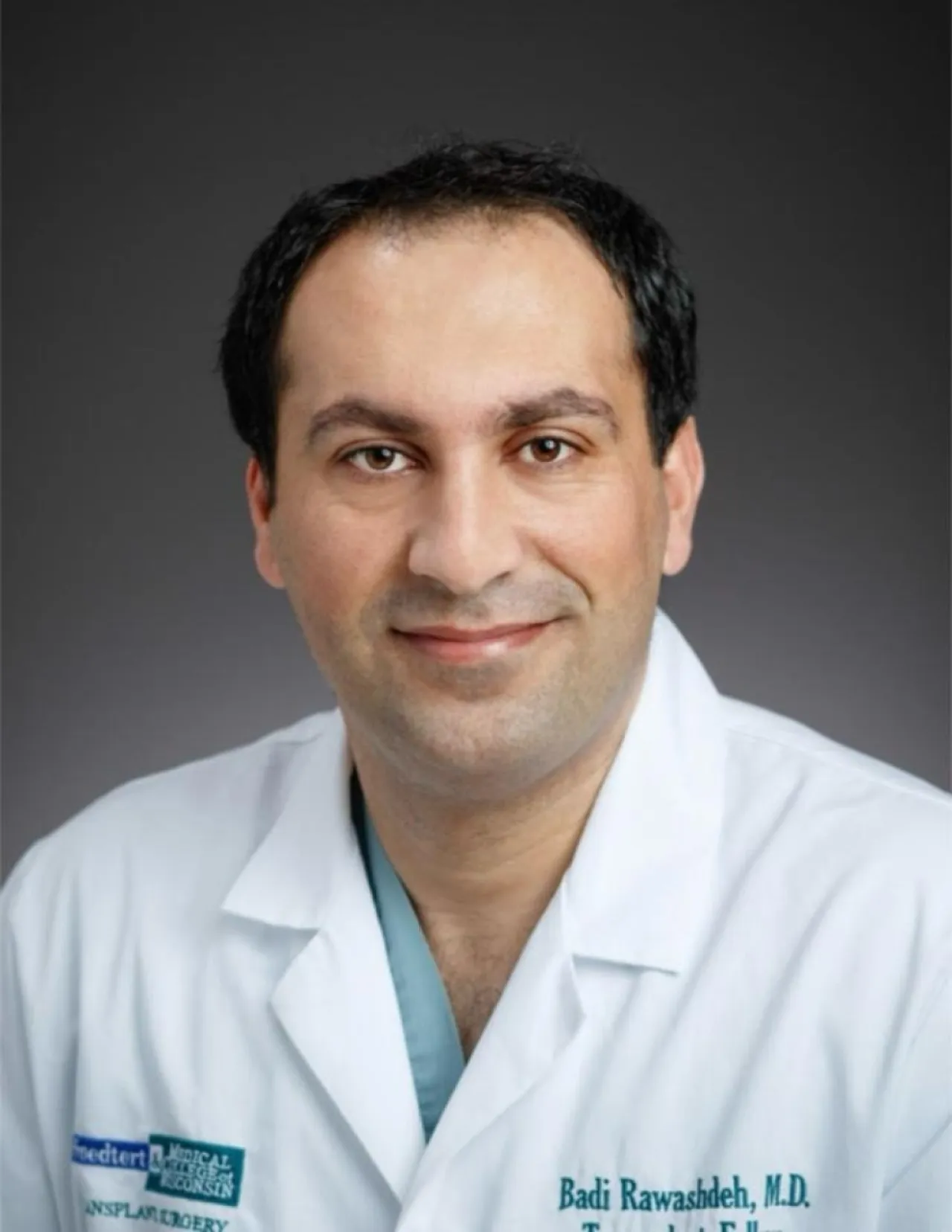
Dr. Badi Al-Rawashdeh
Organ Transplant Surgeon
University of Wisconsin
United States of America