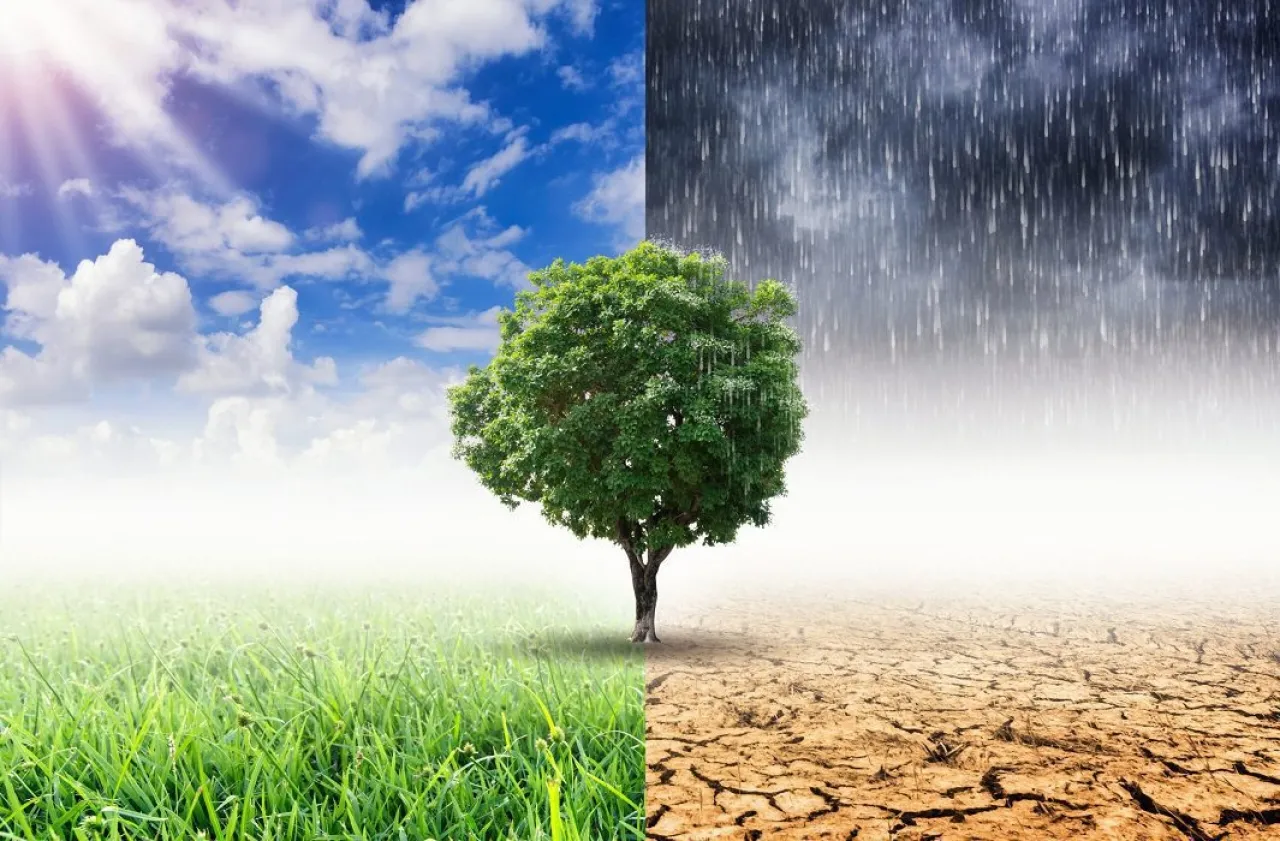
Khaberni - The world has seen unprecedented climate changes in recent decades, leading many to ask: Has climate change accelerated more than ever before? Scientific studies indicate that the rate of global temperature rise has reached record levels, and the effects of climate change are beginning to directly impact human life, the environment, and the economy.
We will review the main effects of global warming in the world, its impact on our daily lives, and how climate change can increase the severity of environmental disasters.
Has climate change become faster than ever before?
Reports from the United Nations and scientific bodies indicate that climate change is accelerating faster than ever in recent history. Factors such as increased carbon emissions, deforestation, and reliance on fossil fuels have led to:
A faster than expected rise in average temperatures
Ice melting at the poles
Rising sea and ocean levels
Changes in rainfall patterns and drought
This acceleration makes addressing the effects of climate change and environmental disasters an urgent and vital matter.
Key impacts of global warming worldwide
Climate change has significant effects that encompass various aspects of life, including:
Intense and frequent heatwaves
Increased severity of floods and hurricanes
Drought of agricultural lands and decreased food production
Air pollution and worsening respiratory diseases
Loss of biodiversity and extinction of certain species
These changes not only affect the environment but also have direct implications for the economy and human communities.
How does climate change affect our daily lives?
Climate change does not stay far from our daily lives; we can feel it through:
Higher energy bills due to heatwaves
Water shortages or supply issues
Increased prevalence of heat and humidity-related diseases
Changes in available food and agricultural product prices
Disruptions in transportation due to extreme weather events
In other words, climate change is noticeably affecting the comfort and stability of our daily lives.
Climate change and environmental disasters
With the acceleration of climate change and environmental disasters, the world is increasingly vulnerable to devastating natural disasters, such as:
Destructive hurricanes and severe storms
Widespread wildfires
Sudden floods and landslides
Long droughts affecting agriculture and water
All these phenomena make tackling climate change a global urgent necessity, not limited only to government actions, but involving every individual in society.
What can be done to combat climate change?
To address this crisis, scientists and experts recommend several steps:
Reducing reliance on fossil fuels and transitioning to renewable energy sources
Planting more trees and preserving forests
Improving the management of water and agricultural resources
Encouraging sustainable practices and reducing waste
Increasing environmental awareness at the level of individuals and communities
These measures help slow down the pace of climate change and mitigate its impact on our lives and the future of the planet.
We are indeed living through a critical period of climate change, where it is faster than ever before, and its effects are tangible in our daily lives and across the world. From heatwaves to floods and drought, it has become necessary to act quickly to mitigate these changes.
Awareness, sustainable practices, and investment in clean energy are fundamental steps to protect the Earth and ensure a secure future for coming generations.