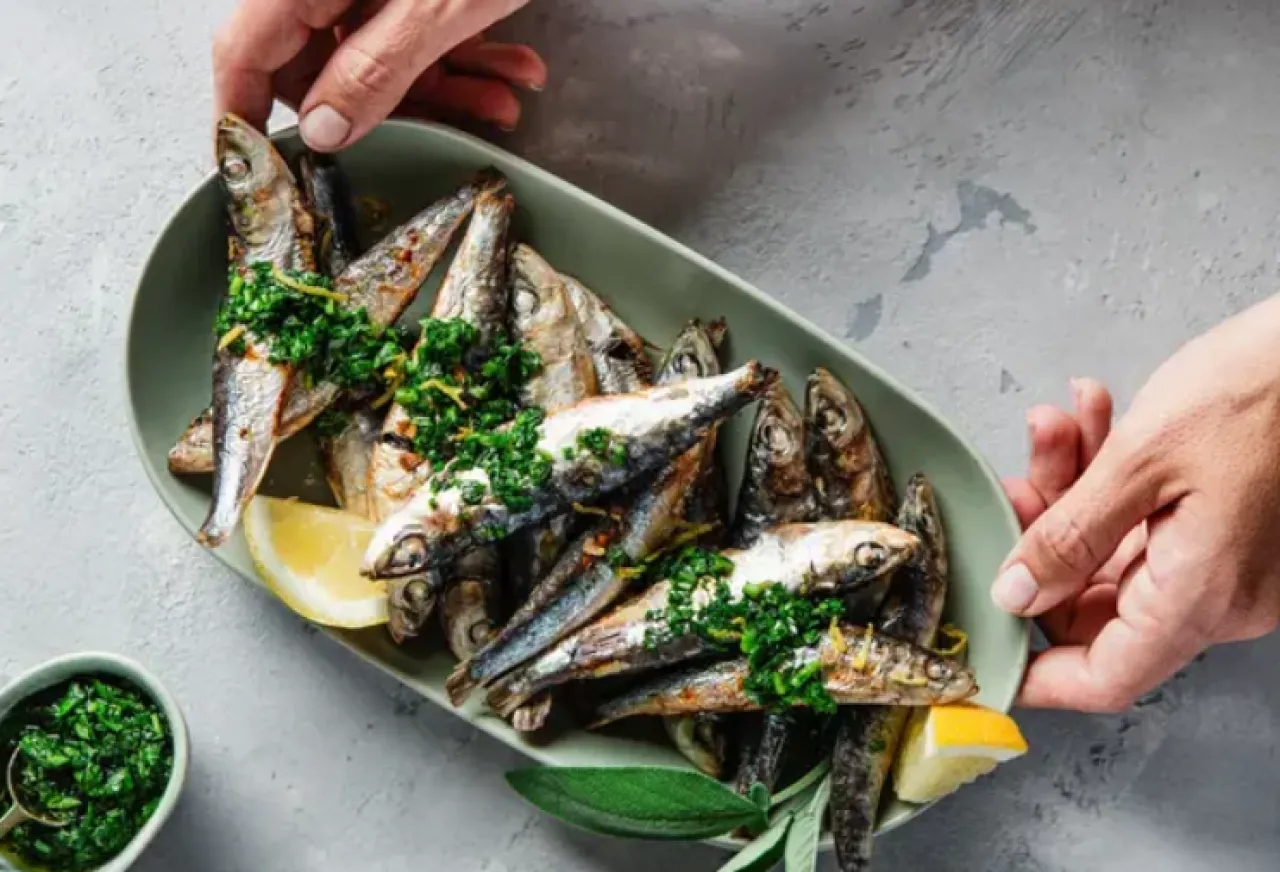
Khaberni - It is advised to consume sardines and tuna widely because they contain high-quality protein and long-chain omega-3 fatty acids beneficial to heart health, including docosahexaenoic acid DHA and eicosapentaenoic acid eicosapentaenoic acid EPA, according to Very Well Health.
To learn more about their benefits, let’s look at a nutritional comparison between the two to determine the best option.
Basic Nutritional Comparison
A 100-gram serving of canned sardines, compared to the same serving of light canned tuna in oil, contains the following:
Calories: 208
Protein: 24.6 grams
Total Fat: 11.4 grams
Omega-3 EPA and DHA: 982 mg
As for tuna
Calories: 198
Protein: 29.1 grams
Total Fat: 8.2 grams
Omega-3 EPA and DHA: 128 mg.
Both sardines and tuna are good sources of protein and omega-3 fatty acids, but their nutritional value differs depending on the type and method of preparation or packaging, whether it's packed in oil or water, if it's filtered or not, and whether it's cooked or raw.
A better choice for omega-3 fatty acids
While tuna is a good source of omega-3 fatty acids, with each 100- gram serving containing 128 milligrams, sardines offer a much larger amount of omega-3 in the same serving: 982 milligrams.
Long-chain omega-3 fatty acids, especially eicosapentaenoic acid eicosapentaenoic acid EPA and docosahexaenoic acid docosahexaenoic acid DHA, are among the most important healthy fats for the heart and brain found in marine sources. Numerous health guidelines emphasize the importance of marine omega-3 for cardiovascular and nervous system health. The benefits include:
• Improving blood lipid levels
• Reducing the risk of arrhythmia
• Potential protection from inflammation, cardiovascular diseases, and neurological conditions
Best source of protein
Both types of fish provide healthy amounts of protein, but tuna exceeds sardines by about 4.5 grams of additional protein per serving.
Protein is essential for nearly all vital processes in the body. It is used for tissue repair, supporting immune functions, and maintaining muscle mass. Most fish, including sardines and tuna, are high-quality protein sources as they provide complete protein. Complete protein provides all nine essential amino acids that the body cannot produce.
Mercury and pollution risks
The potential for sardines and tuna to contain mercury and other pollutants is a crucial factor to consider when comparing them, where canned light tuna and sardines are among the best choices for low-mercury fish. White and yellowfin tunas are typically higher in mercury levels, yet they are still classified as good options. It's recommended to consume them in smaller amounts.
Eating fish is part of a healthy diet for most adults. However, some people, who may be more sensitive to the effects of mercury and other pollutants, should consider limiting their consumption, including the following groups:
• Women during pregnancy and breastfeeding
• Children under the age of 11
• Older adults and those with chronic illnesses
How to choose
No single type of fish can meet all nutritional needs. Diversifying among several types of nutrient-rich fish, including sardines and tuna, as well as salmon, mackerel, and other types, can help achieve a balance between benefits and nutritional value.
It's recommended to choose sardines if one is looking for:
• More omega-3 fatty acids
• Good protein and healthy fats
• Lower risk of mercury contamination