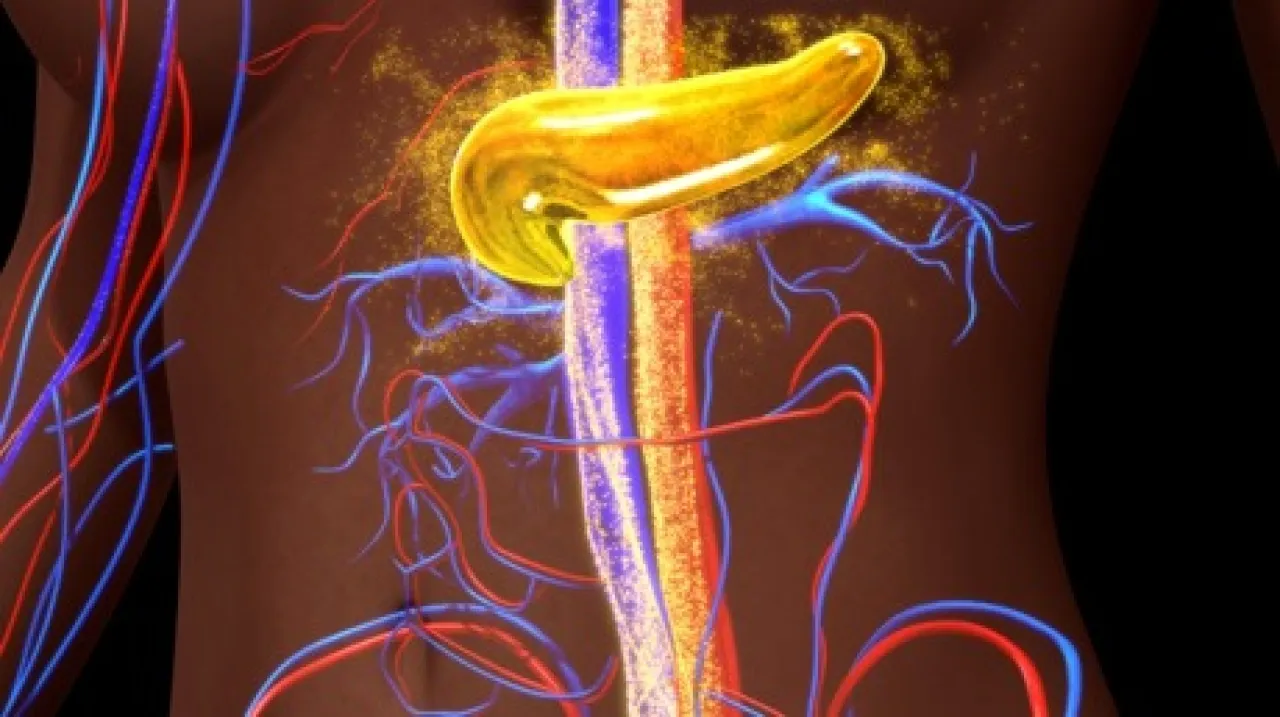
Khaberni - Scientists at the University of Wisconsin-Madison have discovered a potential way to protect beta cells in the pancreas that are responsible for insulin production, which are targeted during the development of type 1 diabetes.
Type 1 diabetes occurs when immune cells attack the beta cells in the pancreas, preventing the body from producing enough insulin to regulate blood sugar levels. Until now, most treatments have focused on inhibiting immune activity to prevent this attack.
The study leader, Faiza Engin, Professor of Molecular Biochemistry at the University of Wisconsin-Madison, explained: "Historically, scientists have focused on preventing the immune attack because it's an autoimmune disease. But we looked at it from a different angle and asked: Why are beta cells specifically targeted?"
The study focused on a protein called XBP1, which is part of the cellular stress response system, aiding them in adapting to inflammations and the accumulation of misfolded proteins. A previous study by Engin’s lab showed that deleting a related stress sensor called Ire1 in beta cells prevents diabetes in mice, and the new study builds on this foundation.
Using a mouse model with type 1 diabetes, scientists specifically deleted the Xbp1 gene in beta cells before the immune attack began. Although blood glucose levels initially rose, the mice later returned to normal levels and remained healthy for up to a year.
Engin detailed: "What is exciting is that initially, the sugar level rises but later returns to normal. Actually, glucose levels return from diabetic to normal levels."
The analysis revealed that beta cells lacking the Xbp1 gene temporarily lose their mature characteristics, reducing the likelihood of being recognized and attacked by the immune system. Over time, the cells regain their identity, inflammation decreases, and insulin production returns to normal.
Engin added: "Beta cells lose their identity, and do not resemble typical cells, which is why they are not recognized by immune cells."
It was notable that this protective effect occurred without any changes in other stress processes involving Ire1, helping to understand how different components of the cellular stress response affect the disease.
To verify these differences, the team compared beta cells lacking Xbp1 with those lacking Ire1 under the same environmental conditions, using single-cell DNA sequencing technology and gene regulation network analysis. This comparison revealed shared stress response pathways and others specific to the Xbp1 gene only.
The findings add to the evidence that beta cells are not merely disease targets but actively participate in the development of type 1 diabetes.
Although the study was conducted on mice, Engin clarified that the research considers the human disease, as people at risk of developing type 1 diabetes can be identified years before symptoms appear through blood tests.
Engin questioned: "If these individuals are identified early, could we intervene? Could inhibiting the Xbp1 gene prevent or delay the onset of diabetes?"
Engin's lab is currently continuing to study these questions on mice and human pancreatic cells cultured in the lab to explore the potential of this preventive intervention.