Khaberni - Saudi Arabia has expanded access to its only alcohol-selling store, allowing high-income foreign residents to buy alcoholic beverages, in a new step along the path of social openness.
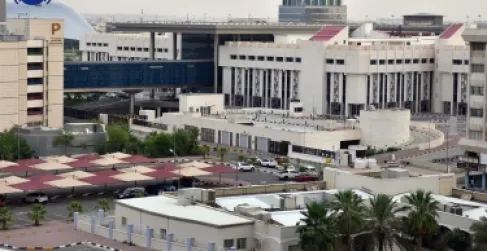
No official announcement has been made about this decision. However, information has leaked, and queues of cars and people have started to appear at the unannounced, unmarked store, located in the diplomatic quarter of the capital, Riyadh.
The store opened in January 2024, initially limited to non-Muslim diplomats. The new rules now allow non-Muslims with Premium Residency to purchase. This residency is granted to foreigners with skills, investors, and entrepreneurs.
Saudi Arabia has banned the sale of alcohol since the early 1950s, and this store is widely regarded as a cautious experiment to test the controlled and strictly supervised sale of alcohol.
Crown Prince Mohammed bin Salman continues to implement a broad policy of openness aimed at attracting tourism, boosting business and international investments, and reducing economic dependence on oil.
The Kingdom, which applies Islamic law, has opened cinemas, allowed women to drive, and hosted major music festivals, though the sale of alcohol remains prohibited for the general populace and residents.
The unannounced store resembles duty-free shops, while its ownership remains officially unknown.
Strict security measures are in place, as all visitors undergo eligibility verification and inspection before entry. The entry of phones and cameras is prohibited, and even eyeglasses are checked to ensure they are not smart.
The Associated Press spoke with a number of customers as they left the store, who noted the prices were remarkably high. They mentioned that diplomats are exempt from taxes on their purchases, while Premium Residency holders are not afforded these exemptions.
Customers described the store as relatively well-equipped, although some pointed to a limited choice of beer and wine.
The Premium Residency was established as part of the Kingdom's plan to attract global expertise. It does not require a Saudi sponsor, and offers benefits including property ownership, business establishment, and family sponsorship, but requires high income levels or significant investments.