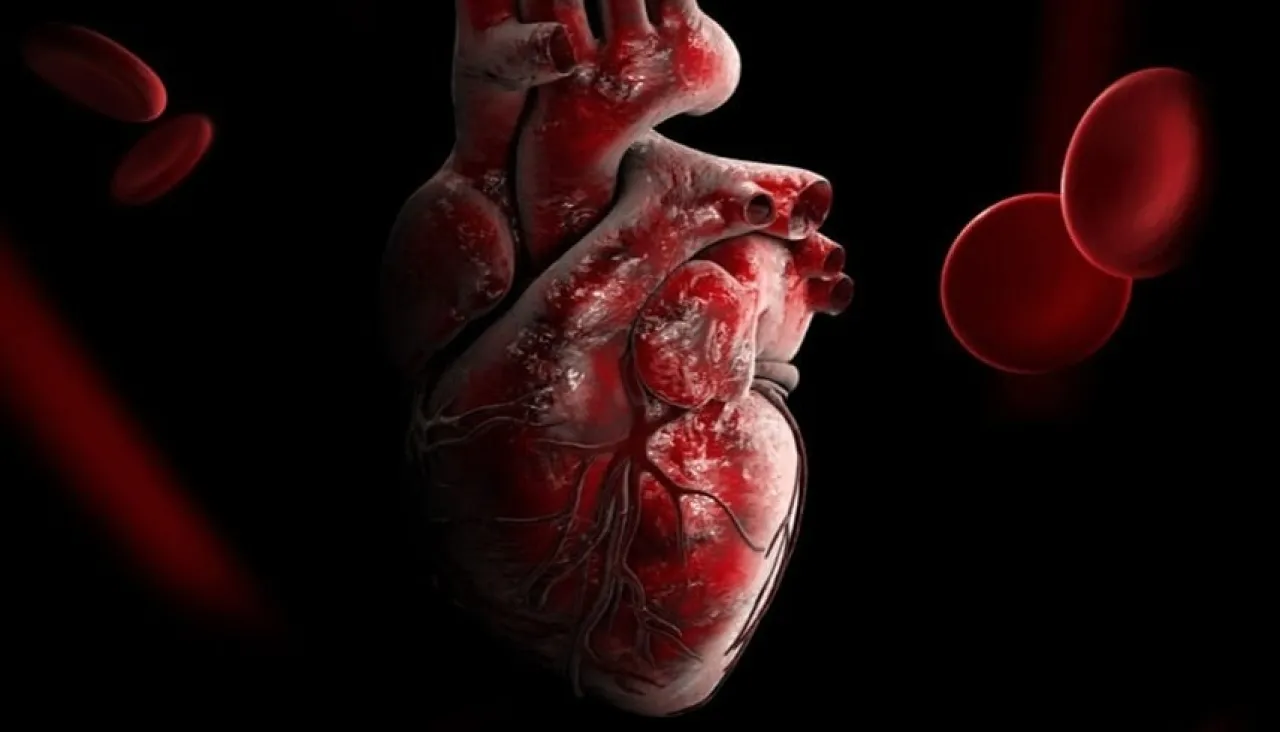
A new study conducted by Stanford University reveals a rare occurrence of heart muscle inflammation in those receiving the COVID-19 vaccine, and how the risks of this inflammation increase with each dose of the vaccine.
According to "Fox News", heart muscle inflammation occurs in one out of every 140,000 people who receive the first dose of the vaccine, and one out of every 32,000 people after the second dose.
Additional Risks for Young People
According to a statement from Stanford University, this rate increases to 1 in every 16,750 males under the age of 30. Heart muscle inflammation is one of the more well-known risks associated with the COVID-19 vaccine, especially in young males.
In most cases, those affected by heart muscle inflammation recover quickly and regain full heart function, according to the study’s author, Dr. Joseph Woo.
Symptoms of Heart Muscle Inflammation
Symptoms of this condition include chest pain, shortness of breath, fever, palpitations, and appear only one to 3 days after vaccination.
Other indicators include elevated levels of cardiac troponin, indicating damage to the heart muscle.
Woo said: "It's not a heart attack in the traditional sense. There's no blockage in the blood vessels as is the case in most common heart attacks. When symptoms are mild and the inflammation does not cause structural damage to the heart, we monitor these patients to ensure they recover."
Woo noted that in rare cases, severe myocarditis may lead to hospitalization, serious illness, or death.
Searching for the Cause
Researchers found that those with myocarditis have two proteins in their blood, CXCL10 and IFN-gamma, which are secreted by immune cells. These proteins in turn stimulate more inflammation.
Woo added: "We believe that these two proteins are the main drivers of myocarditis. Your body needs these cytokines to fight viruses. They are essential for the immune response, but they can become toxic in large amounts."
Mechanism of Prevention
Woo said: "One of the most significant findings we came to is how we can reduce heart damage in our models by specifically blocking these two cytokines, without fully stopping the immune response (required) for the vaccine." He noted that following a precise and targeted immune approach could be sufficient to protect the heart.
He added: "This suggests a potential future method for preventing or treating myocarditis in those most at risk, while maintaining the benefits of vaccination."
The team also found that genistein, an estrogen-like compound found in soybeans, reduces inflammation in laboratory tests, but has not yet been tested on humans.