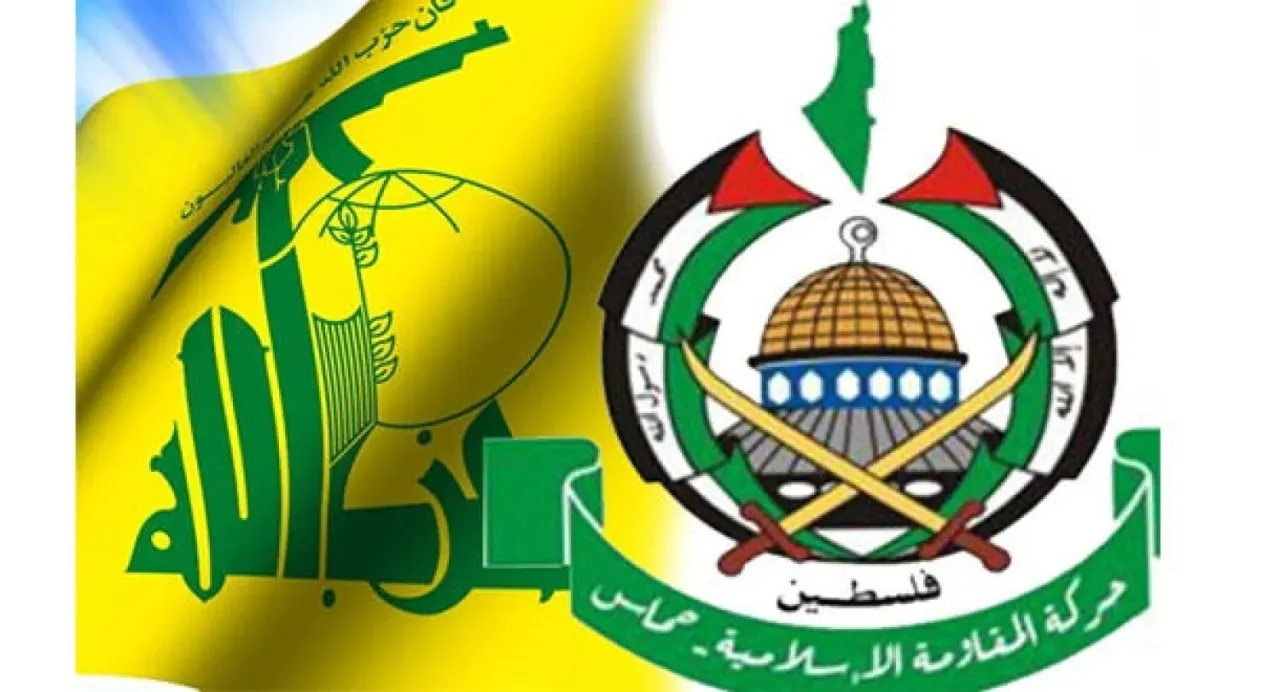
The Premier of New South Wales, Chris Minns announced that his government will apply new strict legislation related to banning what he described as "hate speech", including banning the flags of Hamas, Lebanese Hezbollah, and the Islamic State organization, and any symbols that indicate hatred.
Minns added that the state parliament will meet next Monday to discuss the new legislation.
For his part, the state Attorney General, Michael Daley, said in a press conference in Sydney, "These symbols can only be exhibited by a mentally disturbed person or someone with an intent to insult, intimidate, and terrorize".
This step comes after a pledge by Australian Prime Minister Anthony Albanese to tighten penalties on extremism and launch a campaign against "hatred, division, and extremism" following the deadly mass shooting incident at Bondi Beach in Sydney.
In the meantime, Australian police confirmed that they had arrested 7 individuals whom they said hold "extreme Islamic ideology". The Police Commissioner said the detainees were on a trip from Melbourne to Bondi Beach in Sydney before being detained.
The resolve of the Jews
On the other hand, Albanese said today, Saturday, that the Jews in his country have a resolve "that cannot be broken", after he attended a memorial service in a synagogue in Sydney for the victims of the random shooting at a celebration of the Jewish festival of Hanukkah at one of the beaches.
He mentioned that "every Australian Jew has the right to be proud of their identity and what they believe in, and also to feel safe, appreciated, and respected for their contribution to our great nation".
Albanese noted that new laws associated with "strict hate speech" will punish advocates and leaders who incite hatred and violence, pointing out that Australia will set up a system to classify organizations led by individuals who broadcast hate speeches.
Albanese also indicated that the government would also enhance the powers of the Minister of Home Affairs to cancel or reject visas of individuals who spread speeches of "hatred and division".
The investigation into the attack, which occurred at Bondi Beach last Sunday and is the worst in Australia in almost 30 years, is considered an act of terrorism targeting Jews. Authorities have intensified the deployment of patrols and police forces across the country.
Authorities say a gunman named Sajid Akram (50 years old) was killed by police gunfire at the scene of the attack. His son, Navid Akram (24 years old), who was also injured by police gunfire, was charged with 59 offenses, including murder and terrorism.
Federal Police Commissioner Chrissy Barrett stated today, Saturday, that he is still in custody in the hospital.
Israeli pressures
Prime Minister Anthony Albanese faces increasing political and diplomatic pressures, following the violent attack during the celebration of the Jewish festival of Hanukkah on the famous Bondi Beach in Sydney, at a time when the internal controversy over how the government handles "anti-Semitism" is escalating.
Following the attack, the Israeli Prime Minister Benjamin Netanyahu - who is wanted by the International Criminal Court for committing war crimes in Gaza - stated that what he described as the "laxity" of the Australian government in dealing with the rise of anti-Semitism was the reason behind the attack.
He added, "On August 17, about 4 months ago, I sent a message to the Australian Prime Minister.. I wrote: Your call for the establishment of a Palestinian state adds fuel to the fire of anti-Semitism, rewards Hamas terrorists, encourages those who threaten Australian Jews, and fuels the Jew-hatred that is now rampant in your streets".
On the diplomatic level, relations between Australia and Israel have been tense since last August, when Tel Aviv canceled visas for Australian diplomats in the occupied Palestinian territories in response to Canberra's decision to recognize the state of Palestine, which the Australian Foreign Minister Penny Wong then described as an "unjustified response".
This coincides with discussions within Australian political parties about tightening immigration policies, amid the rise of populist anti-immigration parties in polls ahead of the holiday season.