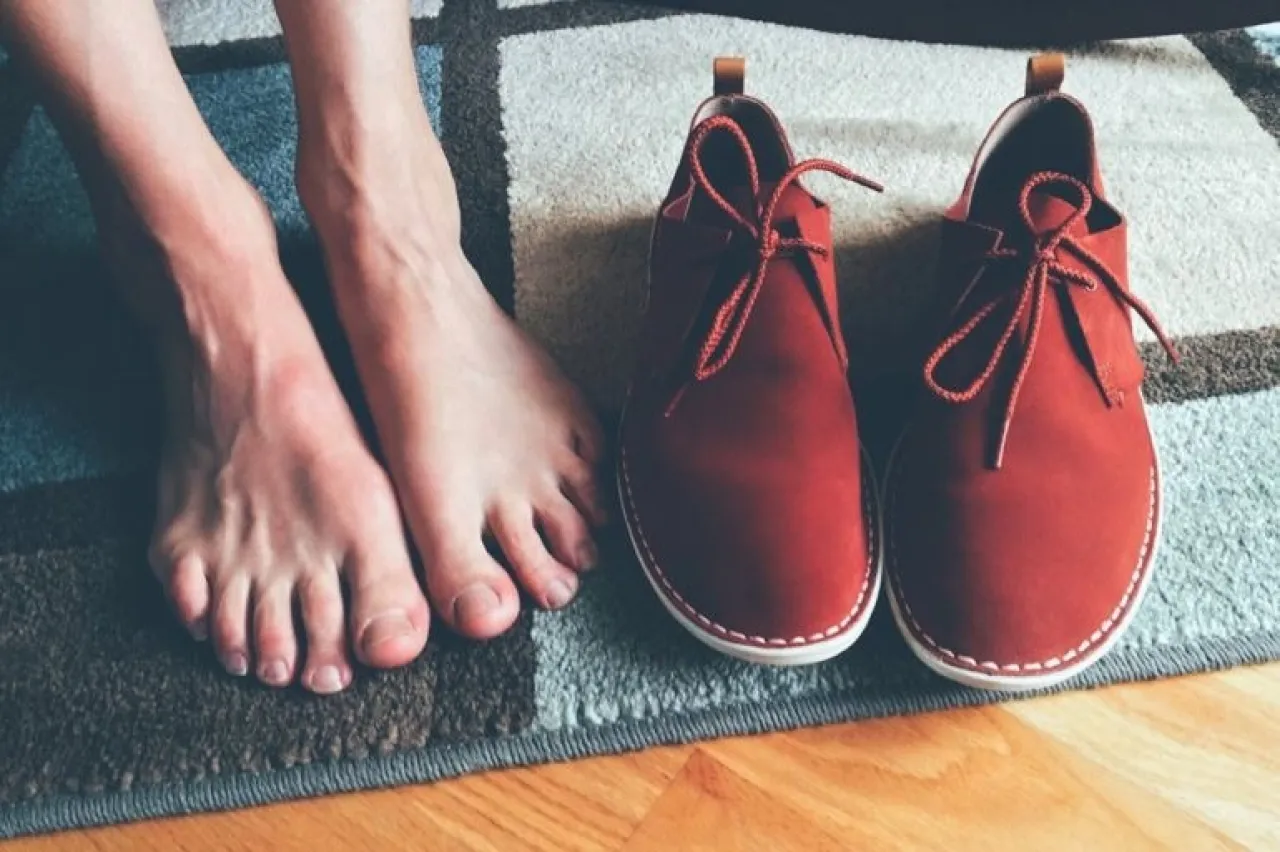
Winter represents an additional challenge for people with diabetes, especially when it comes to maintaining foot health. Low temperatures and humidity can increase the risks of foot ulcers, infections, and poor blood circulation, which in advanced cases can lead to serious complications. For this reason, global health centers emphasize the importance of daily foot care and taking thoughtful preventive steps to reduce these risks.
Maintaining Warmth and Dryness of Feet
One of the most important tips recommended by the University of Michigan is to ensure that the feet are always warm and dry in winter, since moisture and low temperatures weaken blood circulation and increase the risk of skin ulcers. It is advisable to wear thick, appropriate socks and waterproof shoes when going out in cold weather, and to make sure to dry the feet well after exposure to moisture.
Daily Foot Check to Monitor Any Early Changes
The National Institute of Diabetes and Digestive and Kidney Diseases (NIDDK) recommends checking the feet every day for wounds, blisters, swelling, redness, or any abnormal signs. A mirror can be used to examine the bottom of the foot if it is difficult to see directly, and it is important not to ignore any changes in the skin even if they are not painful.
Choosing Appropriate Shoes and Socks
According to "Mayo Clinic", diabetic patients should wear comfortable and non-tight shoes that provide good protection from the cold and pressure. It is also advisable to wear socks made from natural fibers or materials that absorb moisture to reduce sweating and prevent bacterial buildup inside the shoe, which protects the skin from infections.
Avoid Direct Heat Sources and Heating Precautions
Guidelines from the American College of Foot and Ankle Surgeons (ACFAS) emphasize the importance of not placing the feet directly near heat sources such as heaters, electric blankets, or hot water bottles, especially for those suffering from diabetic neuropathy who may not feel skin burning due to loss of sensation.
Skin Care and Regular Moisturizing of Feet
According to foot care experts, regular skin moisturizing reduces winter dryness and cracking, which can lead to wounds and infections. It is important to moisturize the feet, except between the toes, to avoid moisture accumulation that may encourage fungal growth.
Maintaining Blood Flow and Good Sugar Control
Health sources emphasize the importance of moving the feet regularly to increase blood flow, such as lifting the feet, moving the ankles, or light walking when possible, as well as maintaining good control of blood sugar levels which helps to improve blood circulation and facilitate wound healing.
Following a Regular Medical Care Plan
The National Center for Chronic Disease Prevention and Control (CDC) recommends visiting a foot doctor or a diabetes specialist regularly, and conducting at least an annual comprehensive foot examination to ensure there are no hidden problems that require early care.
Daily foot care in winter is not a luxury, but a necessary step to prevent diabetic foot complications that could lead to serious problems. By focusing on warmth, dryness, regular examination, and skin moisturization, diabetic patients can protect themselves and reduce the risks of developing ulcers or infections during the cold months.