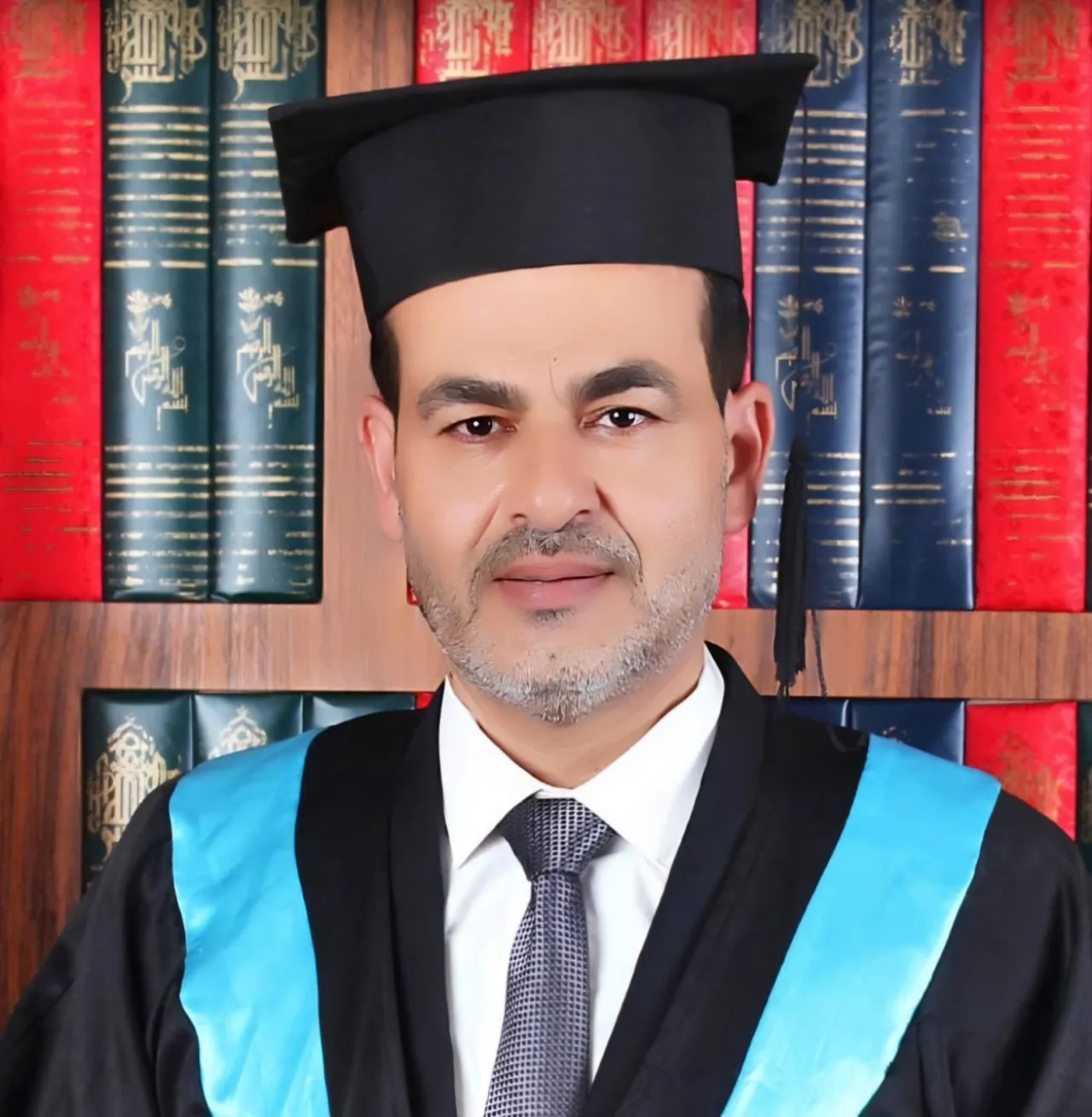
Emad Daoud
It's not a question about the result of a match, nor about a cup being raised or a medal being hung. Rather, it's about something lighter than the cup… and heavier than gold! Something resembling a nation returning to itself, suddenly remembering amidst this regional rubble and prolonged agony from Gaza to the furthest point in the Arab conscience, that it is still capable of joy without feeling guilty!
Today, when the Jordanian team meets the Moroccan team in the Arab Cup, it won't just be the ball in the middle of the field. Memory will be there, and identity, and the weight of geography, and the open files of the region. Jordan will be present not as a small country on the map, but as a big idea in the Arab conscience: a country that has endured more than is bearable, yet remained standing. Jordanians don't go to football to escape reality; they go to reclaim their capacity to endure. For this is a people that have born the pains of others as if they were their own, from Palestine that resides in the heart not the news, to the crises of the region that passed through here and left, yet Jordan remained... standing, calm, cohesive. Therefore, when Jordanians cheer, they don't just cheer for the goal; they cheer because they are still here, because they did not break, because they did not lose their humanity amidst this harsh world which sometimes seems to forget the value of quiet resilience.
And in this match, there is an irony almost a complete metaphor for the intertwined Arab fate: the coach of the Jordanian team is Moroccan, Jamal Salami, coming from the Atlas mountains, leading Nashama who came from the plains and deserts of Jordan. Here, it is not just a detail in sports, but a rare Arab metaphor about competence when trust is given, belonging when it transcends the passport, and professionalism when it becomes an honor not merely a contract. Above all, two teams meet from two stable royal countries, two kingdoms of a noble lineage dating back to Imam Ali bin Abi Talib, as if history – in a purely sporting moment – decided to remind us that the stability in this troubled region was no coincidence, but the result of a unique social contract, grounded in an emotional bond between leadership and people, not a relationship of fear, but a partnership in fate and dignity.
In Jordan, the leadership doesn't just support from the stands. Here, the Crown Prince is among the crowd, here a prince beats the drum, here a flag is raised not by duty but by enthusiasm. That unforgettable image of King Abdullah II, in 1999, joyfully raising his hands wearing the national team's shirt, was not to create a scene, but because the moment itself imposed its authenticity, and because sports have been part of his vision for the people before the state since the beginning of his reign. It is a support that recognizes that collective joy is not a luxury, but a national necessity, the oxygen that the society breathes to continue carrying its burdens borne by those of strong will!
And when the flag is raised, and the throats sing out: "It rose, rose the flag of my country, and rose… rose high and rose," the sound is not just a song, but a declaration of collective belonging, joy resembling clean weeping, a joy that needs no justification.
Look at the stands, you will see spectators who did not come out of luxury. People who borrowed the ticket price, loaded their Visa cards beyond their capacity, traveled because they felt that absence was a betrayal, and that loyalty sometimes is a debt repaid with love. This isn't mere romanticism; it is pure Jordanian valor, unshakeable gallantry, manliness that knows its way to the heart, and loyalty that is not explained... but lived! It is collective morality when it turns into a nation walking on two legs, and calm manliness that knows when to rejoice, turning cheering into an act of dignity and quiet resistance to despair.
For all these reasons, the question: What if the Nashama returned as victors? Is not about the Arab Cup! But about: What if they returned carrying with them that light thing... that makes people less harsh on each other, more patient, and closer to the original idea of Jordan: a country small by the numbers, big in meaning. What if they returned, not to change the harsh reality around us, but to give us, even for a moment, the ability to look at it with higher dignity, and a deeper faith that beauty is possible even in the heart of the storm?
Only then, victory will not be a fleeting memory or a temporary elation, but a lasting mark in the Jordanian and Arab conscience, summoned every time the horizon narrows, and darkness intensifies. A mark where it is said, with the humility of the Nashama and their steadfastness: This is how we triumph over ourselves... and this is how we will remain