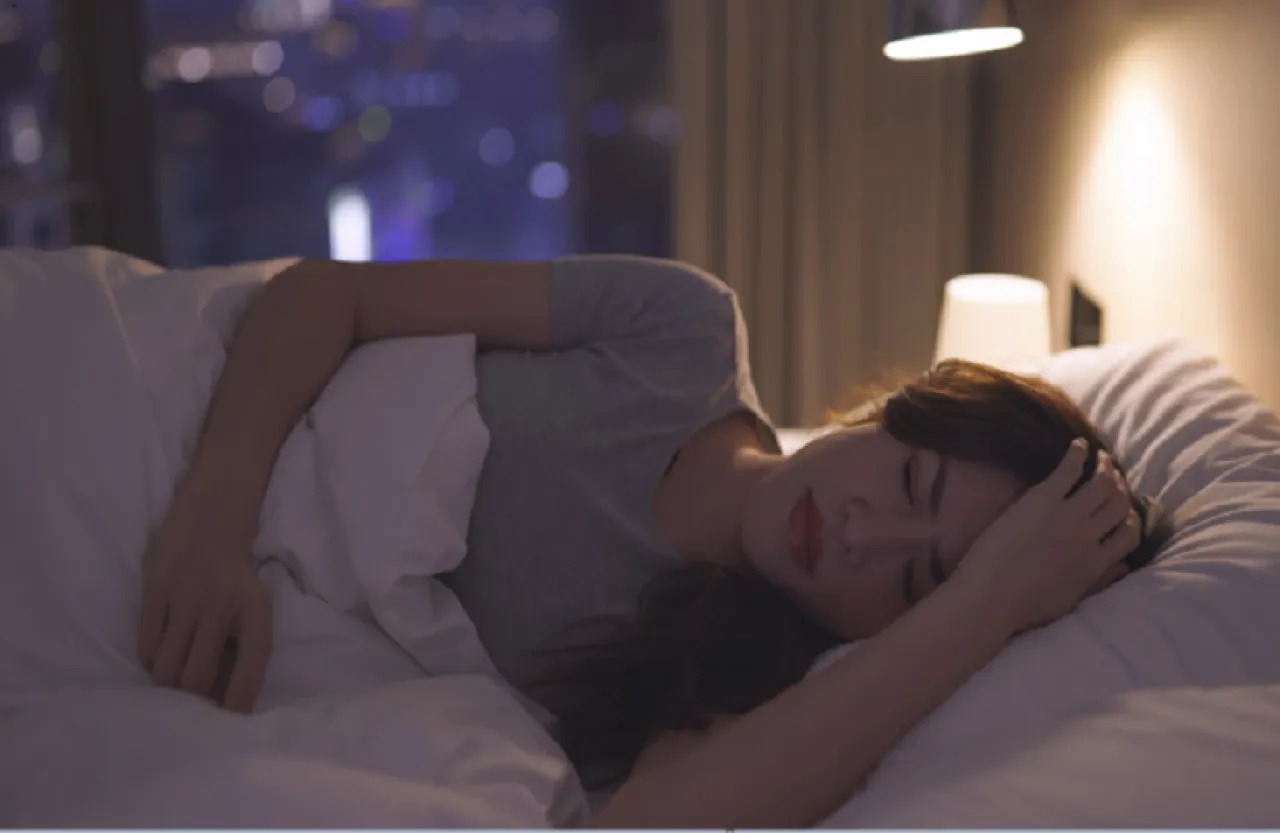
Khaberni - Khaberni - Proper lighting helps the body prepare for sleep and contributes to falling asleep faster. Therefore, it is advised to avoid cold and blue light, and choose warm and dim lighting sources, two hours before sleep time.
Dr. Alexander Froblevski, an assistant professor at the Clinical Medicine Institute at Pirogov Medical University, points out that the secret to maintaining health and productivity lies in balancing periods of body activity and rest, as an imbalance, especially in sleep patterns, leads to fatigue and stress. Artificial light is one of the significant factors affecting sleep, although many overlook its impact.
He says: "Scientifically, this process is regulated by two main hormones. The first is melatonin, known as 'the night hormone,' which is secreted in darkness and is responsible for sleep and maintaining its depth, although its production is negatively affected by exposure to bright light, especially cold-spectrum light. The counter hormone is cortisol, or 'wakefulness hormone,' since nighttime light, especially from screens, can artificially stimulate its secretion, activating the sympathetic nervous system and suppressing sleep. Thus, any light source during rest is considered an alarm signal for the body."
According to him, it is advisable to stop using electronic devices two hours before bedtime, as the blue light emitted from their screens hinders the production of melatonin.
He adds: "It is preferable to replace it with warm, dim lighting that mimics firelight, alongside practicing calm rituals like reading a paper book or taking a warm bath, as this type of lighting creates an atmosphere similar to sunset. Paying attention to sleep quality through controlling lighting is a critical element for maintaining energy during the day, mental clarity, and long-term health."