Khaberni - Short videos on the internet reveal a shift in children’s digital media usage patterns, moving from a transient entertainment medium to a daily influential element in their psychological and social lives.
What was previously used for filling spare time has today become a means for relaxation, communication, and opinion-forming among children and teenagers, as platforms like "TikTok," "Instagram," and "YouTube Shorts" attract hundreds of millions under eighteen through endless tailored content feeds.
These applications are characterized by their vibrancy and easy access to humor, trends, and social interaction, but their design encourages continual scrolling and autoplay, leading to extended browsing sessions that are difficult for young users to control.
Although these platforms were not originally designed for children, their daily use has become common among them, often without direct supervision.
For some preteens, these platforms contribute to identity formation, expanding interests, and maintaining friendships. However, the continuous content flow negatively affects others, influencing their sleep, reducing impulse control, and limiting time for reflection and meaningful interaction.
The problem does not only lie in the length of use but also extends to patterns of compulsive browsing that are hard to stop, which affects sleep, mood, attention, academic achievement, and social relationships.
Short videos, typically ranging from 15 to 90 seconds, are designed to captivate the brain's attention and stimulate its constant desire for novelty; every swipe brings different content, whether entertaining or shocking, leading to an immediate response from the brain's reward system.
With the scarcity of natural stopping points in the content, mental rest periods that aid in refocusing diminish over time, potentially weakening the ability to control impulses and sustain attention.
In this context, an analysis involving 71 studies and about 100,000 participants showed a moderate correlation between intense use of short videos and shortened attention spans and diminished self-control.
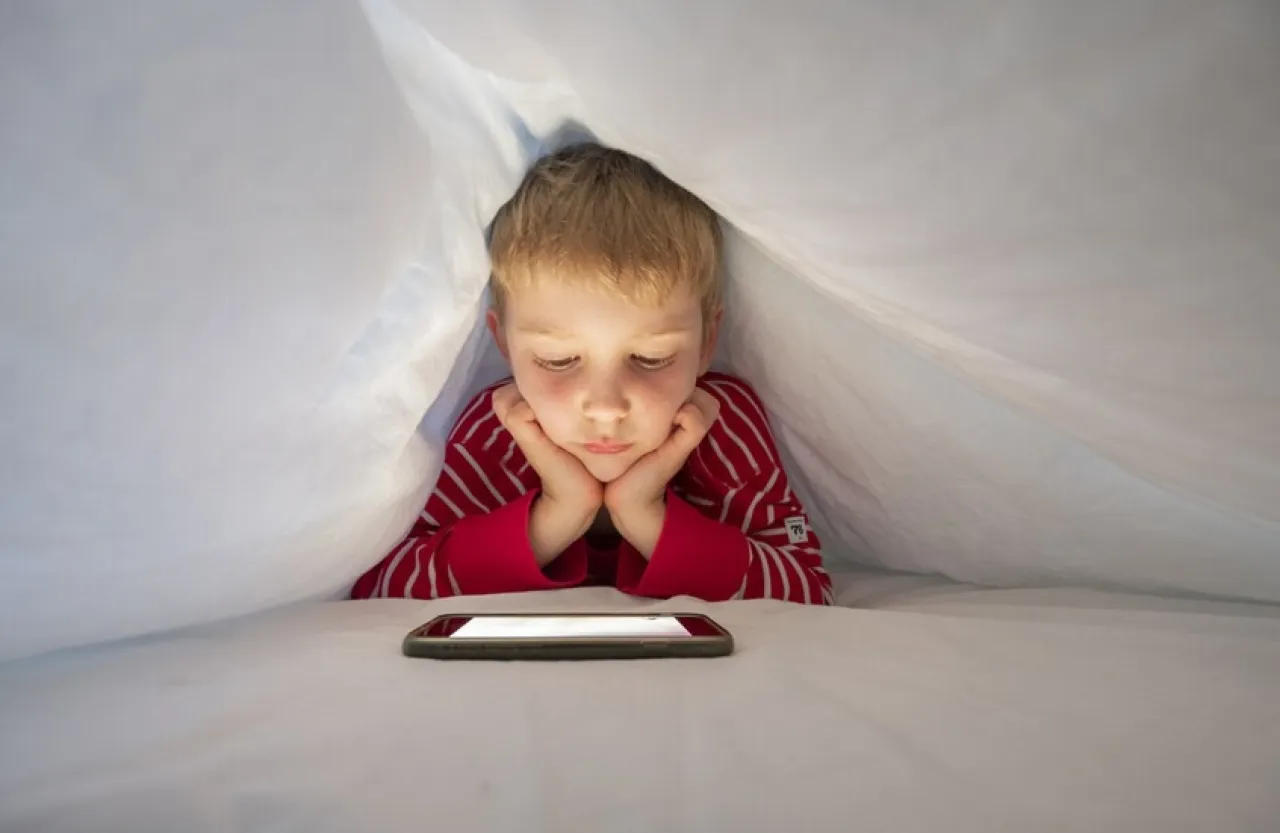
Sleep is one of the most affected aspects of this type of content, as many children watch screens at times when they should be preparing for rest. Bright light delays the secretion of the sleep-regulating hormone melatonin, while the emotional ups and downs associated with rapid content keep the brain in a constant state of alert.
Recent studies have linked excessive use of short videos to sleep disorders and increased levels of social anxiety among some teenagers, impacting mood, memory, and endurance, and creating a vicious cycle that is particularly difficult to break, especially for children experiencing stress or social pressures.
Continuous exposure to polished images of peers and lifestyles also enhances social comparison, as children internalize unrealistic standards of popularity, appearance, and success, associated with reduced self-esteem and increased anxiety.
Research indicates that younger children are more susceptible to influence, being less mature in impulse control and more fragile in identity formation. The automatic design of short video apps increases their exposure to unintended content, such as violent scenes, harmful challenges, or sexually explicit material, without context or prior warning.
Unlike long-form content, short videos do not provide enough time for psychological preparation, and a single swipe can lead to a sudden shift in tone and content, which can be especially shocking for developing brains.
Not all children are affected in the same way; the effects are more severe for those who suffer from anxiety, concentration difficulties, or attention deficit hyperactivity disorder (ADHD).
This issue is especially significant as childhood is a crucial stage for learning to tolerate boredom, building relationships, and regulating emotions. When every silent moment is filled with rapid content, opportunities for daydreaming, creative play, and family interaction decline, which are essential elements for the development of internal focus and self-soothing abilities.
At the family level, open dialogue can help children understand their digital habits by watching content with them, discussing its appeal and impact. Adopting a home routine, such as keeping devices out of bedrooms and setting a screen time curfew, improves sleep and reduces nighttime browsing, alongside encouraging non-digital activities.
The report was prepared by Catherine Easton, Lecturer in Psychology, University of Sheffield.