Khaberni - When it comes to eye health, the focus is often on Vitamin A or omega-3 fatty acids. However, studies from the American Academy of Ophthalmology demonstrate that Vitamin E plays a crucial role in reducing the risk of age-related macular degeneration (AMD) and cataracts.
Vitamin E acts as a protective shield against free radicals, which are unstable molecules that damage eye tissues over time. According to the Times of India, daily requirements of Vitamin E can be met by consuming the following:
Almonds
A small handful of almonds meets about half of the daily requirements of Vitamin E. Almonds contain alpha-tocopherol, which is the most active form of this vitamin and helps prevent oxidative stress in the retina. Soaking almonds overnight can facilitate digestion and absorption.
Sunflower Seeds
Sunflower seeds contain about 7 mg of Vitamin E per 30 grams. The antioxidants present help maintain good circulation in the eyes, supporting the delivery of oxygen and nutrients to the retinal cells.
Spinach
Spinach is unique because it contains both Vitamin E and lutein. These compounds work together to reduce damage caused by UV light and high-energy visible blue light emitted from screens. Slightly sautéing spinach in olive oil enhances the absorption of Vitamin E, making it a suitable mix for digital age eyes.
Avocado
Avocado is one of the few fruits rich in healthy fats and Vitamin E. These fats help the body absorb other nutrients that protect the eye, such as carotenoids. Research published in the journal Nutrients suggests that regular consumption of avocado may support macular pigment density, thus improving visual performance.
Olive Oil
Cold-pressed olive oil is beneficial for the heart and also protects the eyes. It contains a type of Vitamin E that fights oxidative stress in eye tissues.
Hazelnuts
Hazelnuts are among the richest nuts in Vitamin E, containing more than 4 mg per serving. Its compounds can help slow down age-related eye disorders by strengthening cell membranes and reducing inflammation around the optic nerve.
Sweet Red Pepper
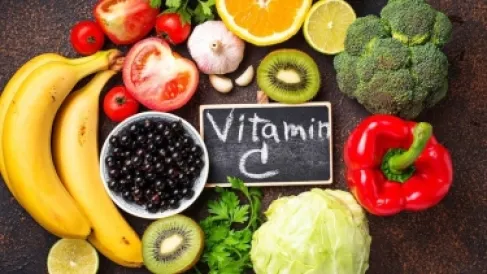
Bright red bell peppers are high in Vitamin C, in addition to small, yet effective amounts of Vitamin E. These two vitamins work synergistically to protect eye cells from oxidative damage, helping maintain the clarity of the lenses as you age.
Wheat Germ Oil
Just one tablespoon of wheat germ oil provides more than 100% of the daily requirement for Vitamin E. Studies link it to improved microcirculation in the eyes, supporting the health and function of the retina. It can be sprinkled on cereals or cooked vegetables, but should not be heated as it loses its effectiveness at high temperatures.