Khaberni - A report published by the Israeli newspaper Haaretz reviewed "Israel's purchases of American military machines," as the current agreement for military aid between the two countries is nearing its end, with a rise in criticisms of supporting Israel in Washington, from both Democrats and Republicans.
The report explained that the current framework agreement, signed during President Barack Obama's administration for the period 2019-2028, provides Israelis with the highest amount of annual aid in the history of security relations between the two countries.
Gaza War Invoice
According to the agreement, the United States grants Israel $3.8 billion annually to purchase aircraft, ammunition, and military equipment, as well as to fund joint missile defense programs.
Report author Oded Yaron pointed out that the value of American aid doubled in the past two years due to Israel's war in Gaza, with the United States spending about $32 billion, including $21.7 billion transferred directly to the Israeli military, an amount more than six times the value of the normal annual funding.
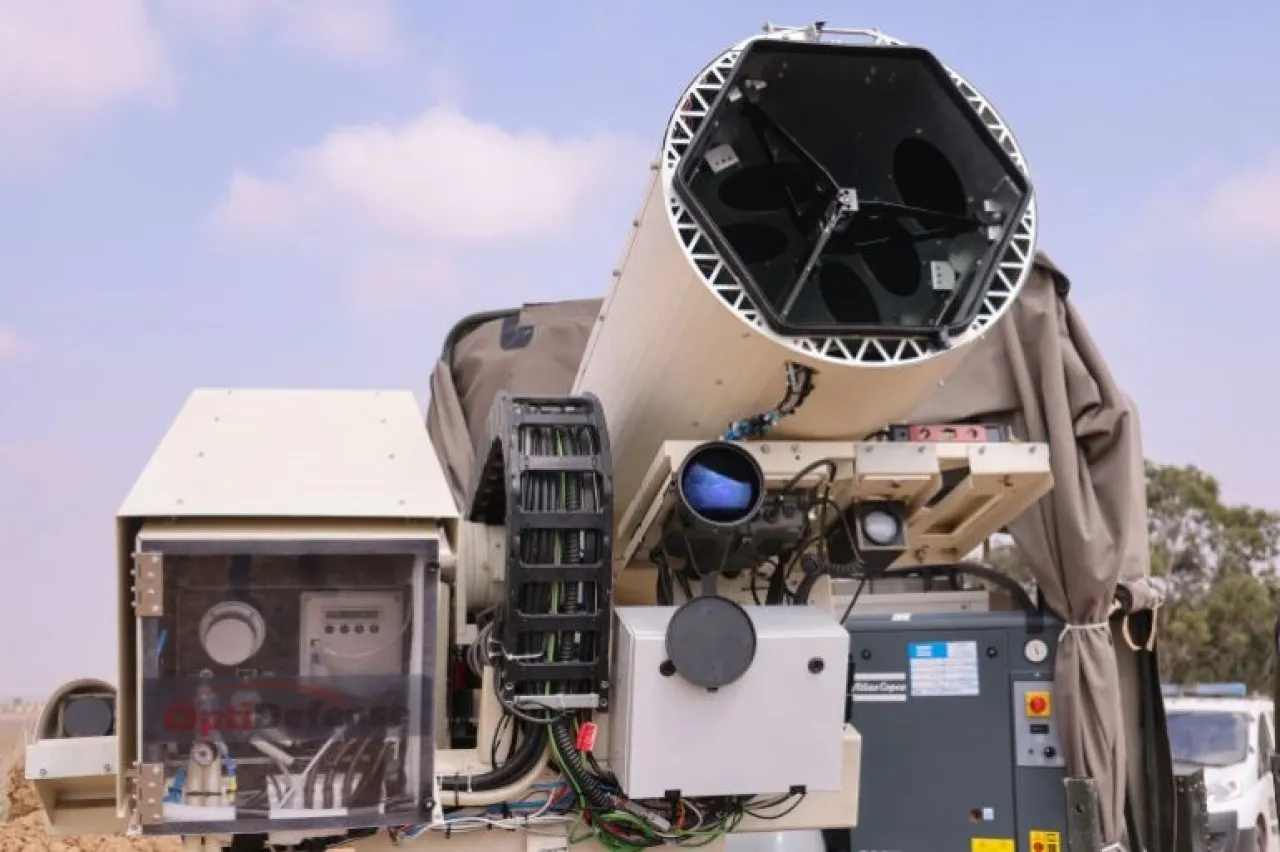
This year, Congress approved an additional aid package worth $26 billion, including $4 billion to support the Iron Dome and $1.2 billion for the Iron Beam system, according to the report.
List of Israeli Purchases
Below is "the list of purchases" by Israel from the United States -according to the author- and each point includes the number of military equipment and its type, then its price, the manufacturer, and the date the deal was completed, alongside any notes:
o 50 F-15IA aircraft ($19 billion) from Boeing. The deal was signed in August 2024. The aircraft is a version of the newest models of the F-15, specially modified for Israel.
o 18 Sikorsky CH-53K Super Stallion helicopters ($3.4 billion) from Sikorsky and Lockheed Martin. The deal was signed in July 2021.
o 25 F-35 "Adir" aircraft ($3 billion) from Lockheed Martin. The deal was signed in June 2024. The delivery of the aircraft is expected to start in 2028.
o 8 Pegasus KC-46 refueling aircraft ($2.4 billion) from Boeing. The deal was signed in March 2020.
o Tens of thousands of 500 kg and 1 ton guided bombs and bunker-busting bombs ($9 billion) from Boeing. The deal was signed in 2025. They were used in Gaza, Lebanon, Syria, Iran, and Yemen.
o Thousands of Hellfire and AMRAAM missiles ($1.1 billion) from Lockheed Martin and Raytheon. The deal was signed between 2024-2025.
o 155 mm and 120 mm shells and cannons ($1.4 billion) from U.S. Army stocks and General Dynamics. The deal was signed between 2023-2025.
o Engines for Namer and Eitan troop carriers ($750 million) from Rolls Royce. The deal was signed between 2019-2025.
o Heavy trucks and tanker carriers ($250 million) from Oshkosh and Leonardo. The deal was signed between 2022-2025.
o Assault rifles and machine guns ($160 million) from SIG Sauer and Colt. The deal was signed between 2024-2025.
The U.S. support also included -according to the report- funding for building underground bases and facilities, and new runways, with contracts signed since 2019 worth about half a billion dollars, with future plans exceeding one billion dollars.
Since 2011, the United States has allocated about $3.4 billion for missile defense systems, including $1.3 billion for the Iron Dome, in addition to funding the development of advanced interception missiles and joint programs.
In September last year, Reuters reported that President Donald Trump's administration proposed to Congress the sale of weapons worth about $6.4 billion to Israel, indicating the ongoing military cooperation.
Challenges in Renewing the Agreement
The report noted that the current agreement, which enabled Israel to obtain about $38 billion over the past decade, ends in two years.
It highlighted that Israel began discussions in 2016 -two years before the current agreement ended in 2018- about the upcoming agreement, but the different circumstances today make renewing the agreement a more complex task.
The report believes that Israel's negotiating position is weaker today due to increasing opposition voices to its support from both the left and the right in the United States, where criticisms from Democrats expanded after the war in Gaza, while many Republicans -under the America First slogan- see Israel as a major burden.
Opinion polls -according to the report- show an unprecedented decline in Israel's popularity among the American public, including among conservatives, which complicates the passage of future aid packages.
The challenges manifested in the current discussions about renewing the agreement, as Israel proposed shifting the agreement to a "joint" model instead of direct support, in an attempt to make the agreement more acceptable to the current U.S. administration.
Most of the funds from the current agreement (2019–2028) were allocated for purchasing equipment from the United States, and compared to that, in 2019, about a quarter of Israel's budget (815 million dollars) was allocated for purchases from the Israeli defense industries.
By 2028, this amount is expected to decrease to zero, meaning all aid will be used entirely to purchase American defensive systems, according to the author.
The report concluded that despite the increasing pressure in Washington, it is likely that Israel will remain largely dependent on U.S. funding and infrastructure for decades.