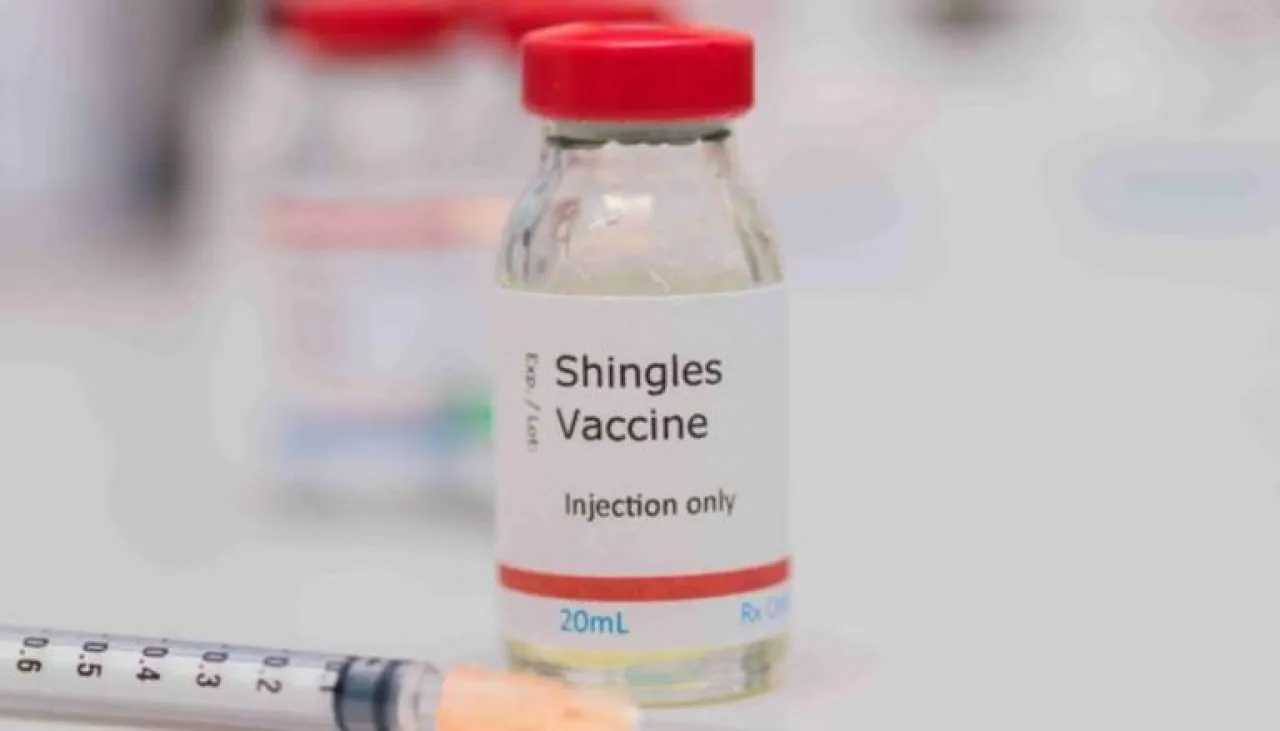
Khaberni - Study results showed that dementia patients who received the herpes zoster vaccine were less likely to die.
These results suggest that the vaccine could slow the progression of the disease associated with aging.
In general, about half of the 14,000 elderly individuals in Wales who suffered from dementia at the start of the vaccination program died during a nine-year follow-up.
However, researchers said in the scientific journal "Cell" that receiving the Zostavax vaccine, produced by Merck, reduced the risk of death from dementia by nearly 30 percent.
The researchers in Wales earlier this year found that elderly individuals who received the Zostavax vaccine were 20 percent less likely to develop dementia compared to their counterparts who did not receive the vaccine.
Study author Dr. Pascal Geldsetzer from Stanford University in California stated, "The most exciting part (of the latest results) is that this really suggests that the herpes zoster vaccine not only has preventive benefits in delaying dementia but also has therapeutic potential for those who are already suffering from this disease."
The researchers noted that it is still unknown whether the vaccine protects against dementia by generally activating the immune system, by specifically reducing reactivation of the herpes zoster virus, or by another mechanism that remains unknown.
It is also unknown whether the latest herpes zoster vaccine, Shingrix, produced by GlaxoSmithKline, might be as effective or even more effective in reducing the effects of dementia compared to the older vaccine received by the participants in the Wales studies.
It was observed that protection against herpes zoster with the Merck vaccine diminishes over time, and most countries no longer use the vaccine after discovering that the Shingrix vaccine is better.
The researchers said that they found similar results to the Wales findings in health records from other countries, including England, Australia, New Zealand, and Canada.
Geldsetzer added, "We still see this strong protective signal against dementia in one dataset after another."