Khaberni -
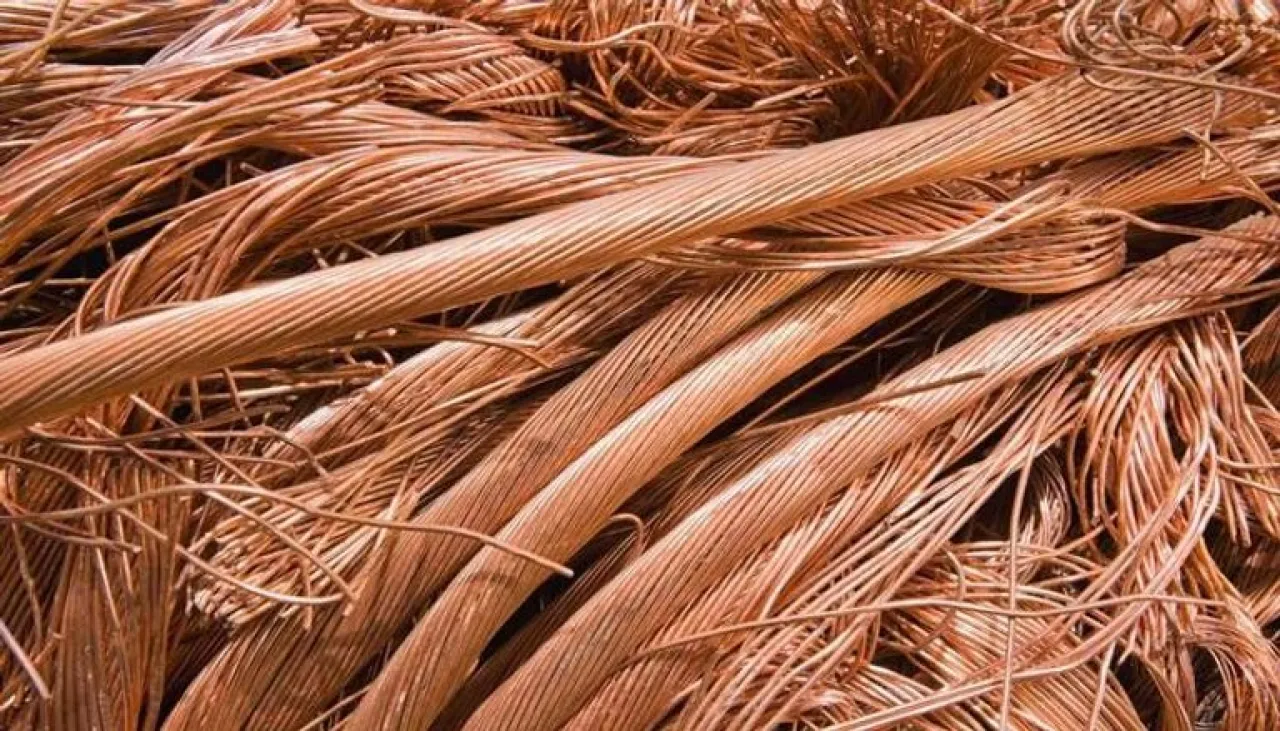
The global copper market is experiencing a sharp anticipation, after the metal continued its climb towards record levels at the London Metal Exchange, amid increasing fears of entering a phase of severe supply shortage during the coming year.
These increases are driven by a range of intertwined factors, most notably production disruptions, increased demand in the United States, and trade tensions related to potential tariffs.
According to a Bloomberg report, copper prices rose by 1.3% in London trading, reaching a record level of $11,334 per ton before retreating slightly at the end of the session, surpassing the previous peak achieved on Friday.
In the United States, futures on the "COMEX" jumped by about 1.7%, clearly signaling a rise in American demand, along with increasing expectations of new tariffs on raw copper imports.
Global market reports indicate that the race to deliver copper shipments to the United States before any potential tariffs are applied is exacerbating the supply crisis in other markets, where mines face significant difficulties in keeping up with the ongoing increase in demand.
This comes at a time when the sector is suffering from a series of unexpected disruptions that affected production this year, as clearly shown during the annual copper conference in Shanghai last week, which highlighted the extent of tension between mining companies and refineries over raw supply contracts for the coming year.
In a related context, "Mercuria" Energy, one of the leading global commodity trading companies, warned of the potential emergence of a tangible shortage in supply by 2026, noting that the increasing demand for copper — especially from industries linked to the energy transition — will create a significant gap between production and consumption.
Copper is one of the essential metals in clean energy projects, from electric vehicles to renewable energy networks, making any disruption in its supply chains have a broad global impact.
Financial markets are witnessing an increasing attraction by investors towards the red metal, with its prices rising by about 30% since the beginning of the year on the London Metal Exchange index.
This strong rise came after a temporary decline in July, following the announcement by US President Donald Trump to postpone his decision on imposing tariffs on low-quality copper imports until mid-next year.
Despite this previous decline, traders are now back to injecting large shipments towards the United States in preparation for any trade action that may begin to be implemented starting from 2027. According to Kostas Bintas, head of metals at "Mercuria," more than half a million tons of copper could be shipped to the United States during the first quarter of 2026 alone.
Copper saw a slight increase of 0.6% to settle at a high level on the London exchange at the close of Monday’s trading, after having jumped by 2.3% in the previous session. The futures on the "COMEX" exchange also closed higher by the same percentage, settling at 5.303 dollars per pound. The rest of the base metals saw varied increases, except for tin, which remained stable with no noticeable changes.
These rapid movements reflect the state of anxiety prevailing in global markets about the future of copper supplies in the coming years. With continued pressure on production and increasing demand resulting from the energy transition, it appears that the red metal is heading towards a period of sharp fluctuations, and perhaps more record highs, unless new factors intervene capable of rebalancing the market.