Khaberni - Swedish researchers have developed a revolutionary technology that relies on injectable nanoparticles to directly deliver electrical therapy inside brain tumors.
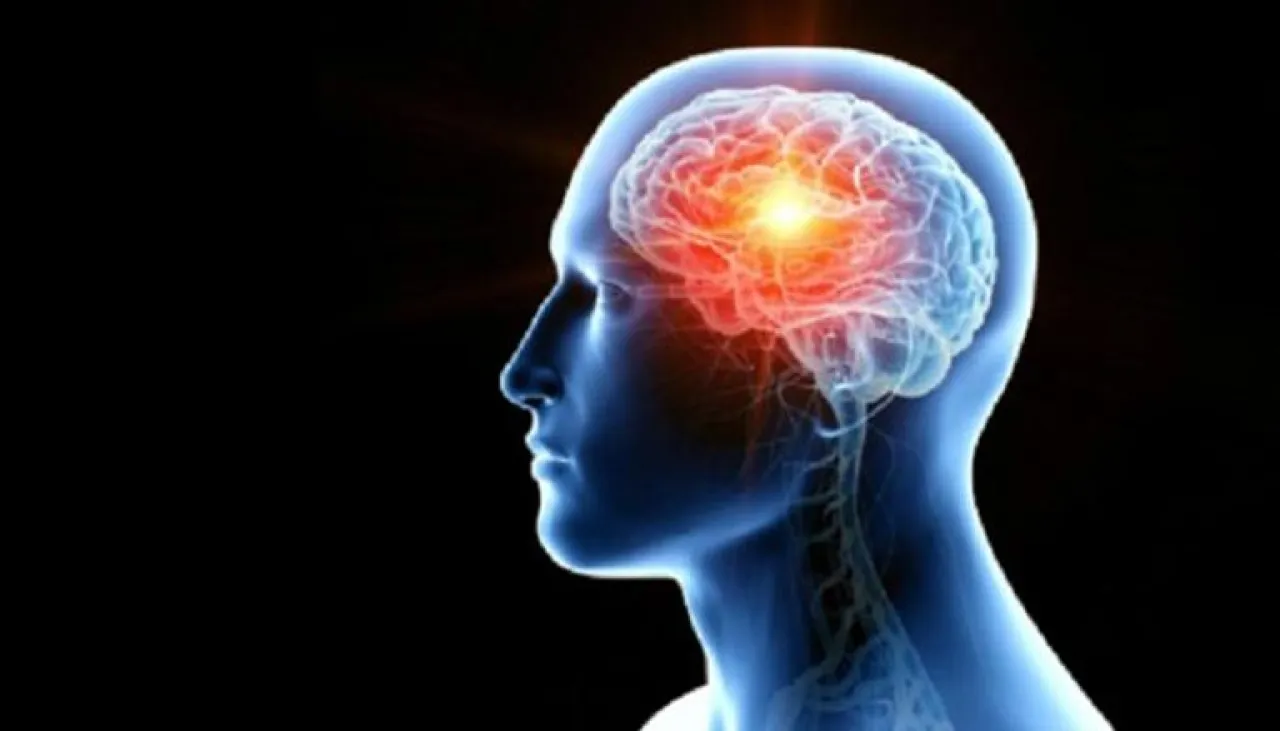
This technology was announced in the journal "Nature Communications", and its developer from Lund University in Sweden stated that it could change the future of treating glioblastoma.
Glioblastoma is the most common and aggressive brain tumor in adults, with a survival expectancy of no more than 15 months even with intensive treatments.
The multiple genetic mutations complicate its response to radiation, chemotherapy, and targeted drugs, which has resulted in limited progress in its treatment for decades.
Traditional electrical therapy relies on sending short, strong electrical pulses to create permanent holes in cancer cells, leading to their destruction and stimulating the immune system.
However, applying this therapy inside the brain requires the insertion of solid metal electrodes, which requires complex and risky surgery, limiting the number of patients who can be treated.
This sparked the idea of researcher Johan Bengzon, a neurosurgeon at Skåne University Hospital and an associate professor at Lund University, who sought a less risky alternative.
He says: "We wondered about the possibility of replacing metal electrodes with injections of nanoparticles that act as electrical poles."
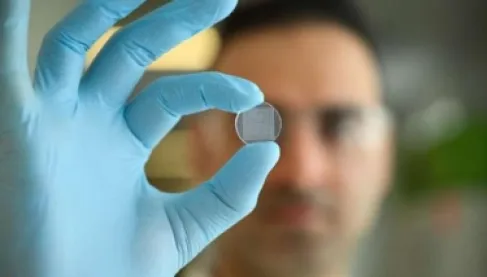
The research team, led by Roger Olson, Amit Singh Yadav, and Martin Hewitt, had previously developed nanoparticles used to form electrically conductive materialshello that regulate neural signals and heartbeats.
These nanoparticles are injected with a fine needle and naturally decompose after the treatment ends, without the need for any surgery.
The new idea is based on injecting the nanoparticles into the cavity left after the tumor is removed, where they form a conductive network that can be used to send electrical pulses targeting the remaining cells around the edges of the affected area, which is often where the tumor returns.
Olson says: "In animal models, the treatment led to the disappearance of tumors in just three days, with a clear activation of the immune system."
Promising preliminary results
The trials showed that the "injectable electrode" is well-tolerated by the brain without side effects, and that it disappears automatically after 12 weeks as it is a degradable material.
Yadav, the lead researcher, says: "The technology combines direct tumor destruction with immune activation, and we believe it is an important step towards a more effective treatment for glioblastoma."
Despite the promising prospects, the researchers emphasize that there is still a long way to go before this approach can be clinically adopted, as the technology must be tested on larger tumors and its safety evaluated more broadly.