Khaberni - Many believe that marriage relies on love, but psychologists affirm that love is a changing feeling. What makes the relationship enduring is adopting daily habits that enhance trust, flexibility, and mutual respect. According to them, these habits determine the couple's ability to withstand the test of time.
1 — Speaking openly, even if it is difficult.
The first thing that couples should learn is openness; silence might create an illusion of peace, but it actually generates tension and alienation. Not expressing dissatisfaction causes negative feelings to accumulate, turning later into blame or emotional coldness.
Openness doesn’t mean accusations, but the ability to express feelings without aggression or demands, because this type of communication stimulates empathy instead of defensiveness. Hence, emotionally intelligent couples quickly regain trust after disagreements and rarely resort to manipulation or resentment.
2 — Noticing and expressing positive aspects.
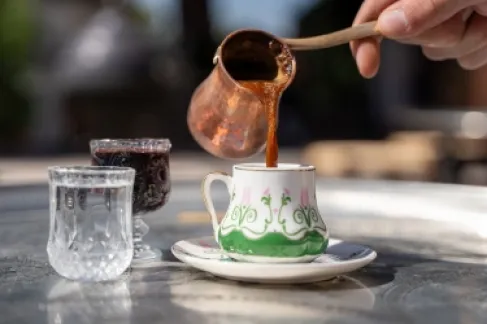
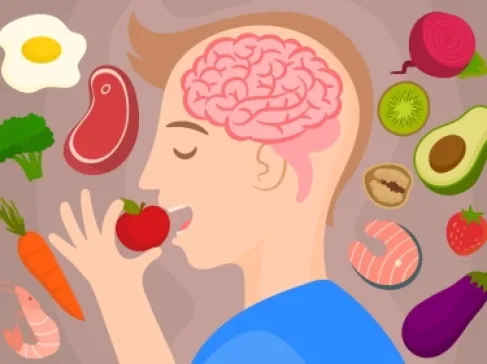
Although expressing gratitude seems simple, it is extremely important; regularly thanking a partner strengthens the emotional bond between them more than simply sharing hobbies. When we notice positive actions — even small ones, like making coffee or helping with household chores or supporting a conversation — the brain releases dopamine, which enhances the emotional bond and deepens the feeling of mutual appreciation.
A lack of appreciation has the opposite effect; the partner feels their efforts are invisible, gradually losing the desire to give. Therefore, the value of a simple phrase like: "Thank you" should not be underestimated; it is an indirect message that says: "I see you... and I appreciate what you do."
For this reason, it is advised to find at least one reason to express gratitude daily. This habit not only brings the couple closer but also trains them to see the positives even during tough times.
3 — Maintaining physical and emotional closeness.
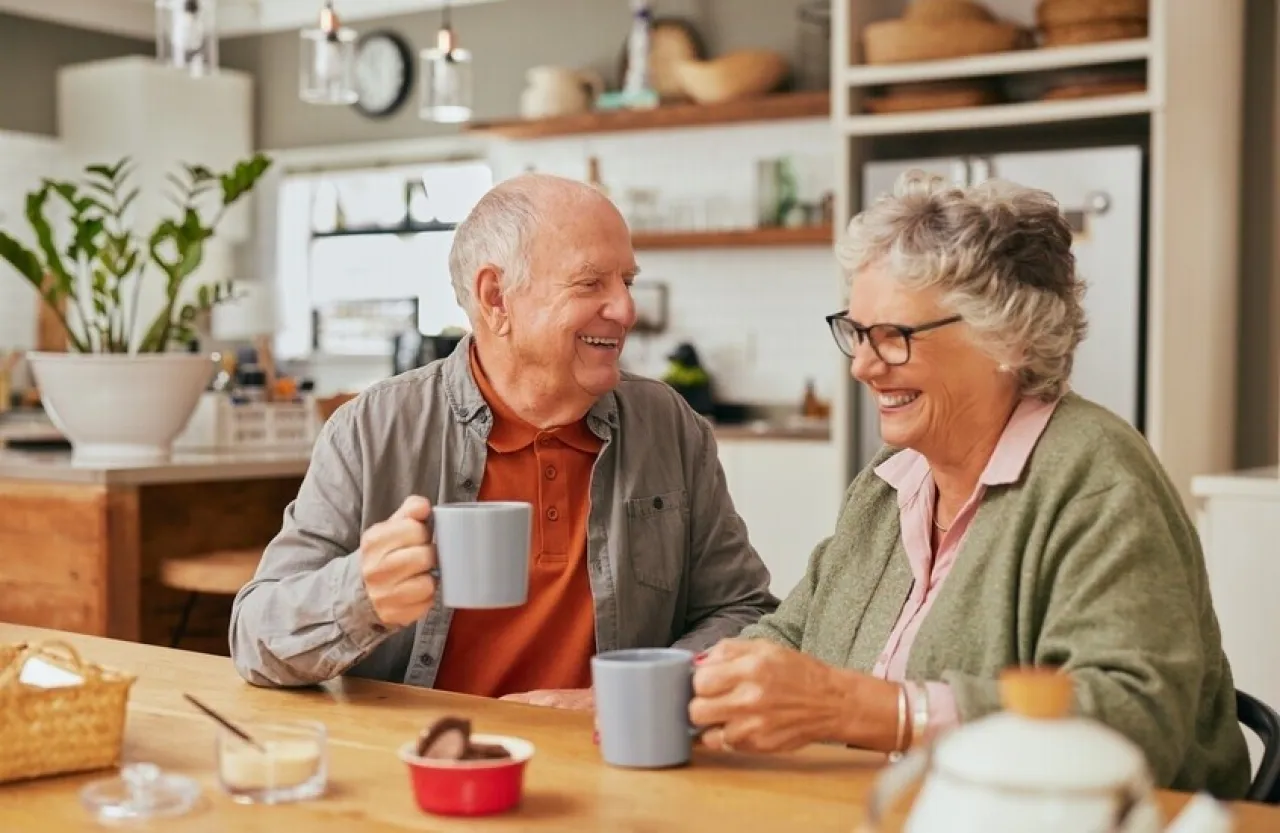
Physical closeness and emotional communication activate the same areas in the brain responsible for feelings of security; therefore, hugging and touching — even light hand contact — are not just signs of affection but a physiological way to strengthen the bond.
The emotional aspect is no less important; sharing joy, humor, offering support, and caring about inner feelings create a strong sense of belonging, which is one of the fundamental pillars of a stable relationship.
Why are habits stronger than feelings?
According to psychologists, love — especially in the early stages of a relationship — provides a strong emotional boost, but hormone levels change over time, and here comes the role of habits: they are repeated behavioral patterns that create a feeling of stability and trust.
When partners regularly share thoughts, express appreciation, and maintain intimacy, their relationship transforms from "romantic emotionality" to "mature partnership" — calm, stable, and deeply warm.
Psychologists describe these relationships as "emotionally secure" because they provide space for emotions, privacy, and freedom, where each party can be themselves, reassured that they will be heard and accepted as they are.