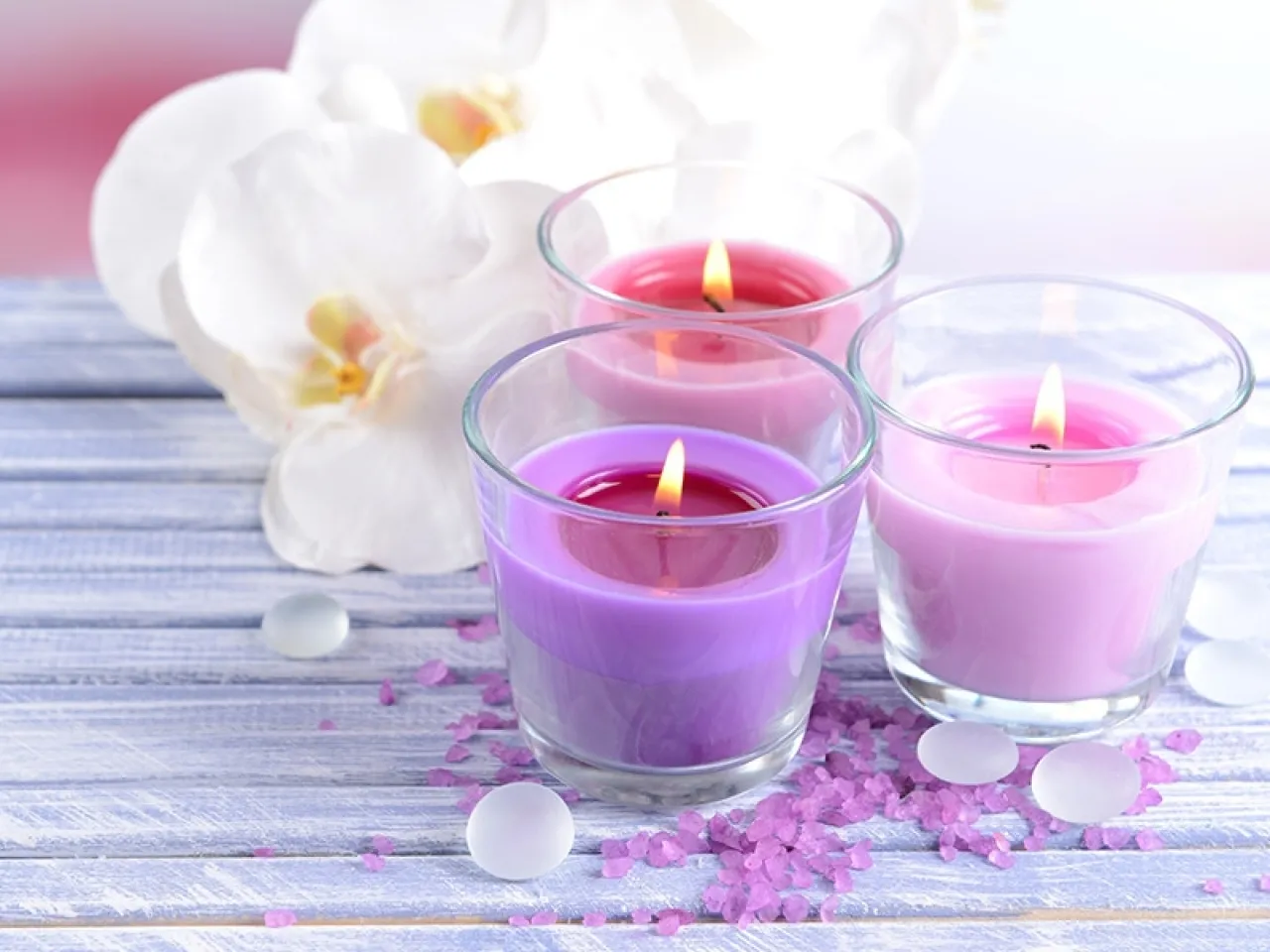
Khaberni - Scented candles are a fundamental part of the lifestyle in many homes, where they are used to improve mood, holiday decorations, aromatherapy, stress relief, and even to enhance focus during work hours from home. Of course, they make great gifts, but as people light candles daily, many are unaware of the damage they cause to the lungs.
Contrary to what might be expected from lighting these candles for comfort, relaxation, and warmth, what the lungs inhale during their combustion is not always as safe as it seems.
According to "NDTV", scientific research on candles is still evolving, and no major health organization has classified scented candles as dangerous, nor is there conclusive evidence linking them to long-term illnesses. However, multiple global studies show that lighting them, especially those of low quality, emits chemical substances and microscopic particles that irritate the airways.
For those with asthma, chronic obstructive pulmonary disease, or allergies, this might be enough to provoke symptoms.
The Impact of Scented Candles
To understand the effect of scented candles on the lungs, Dr. Vikas Moria, the Senior Director and Head of the Respiratory Medicine Department at Fortis Hospital in Delhi, explains that "the materials used in the candle as fuel include: paraffin wax, soy wax, beeswax, and vegetable candles, which are the most common types, and soy and beeswax are often preferred for a cleaner, longer-lasting, and environmentally friendly burn."
What happens after lighting the wick?
Certain scented candles, especially those made from paraffin wax, release chemicals such as benzene, toluene, and formaldehyde. According to the World Health Organization and the International Agency for Research on Cancer, these chemicals are classified as indoor air pollutants that may irritate the respiratory system.
Dr. Moria elucidates, "Some scented candles release chemicals that may irritate the lungs and cause respiratory problems. Their combustion can lead to the release of fine particles and volatile organic compounds into the air, which could cause irritation in the throat and respiratory system, or trigger asthma attacks or chronic obstructive pulmonary disease."
Studies published by the European Lung Foundation and the United States Environmental Protection Agency confirm that burning candles contributes to elevated levels of particles inside the home, especially ultrafine particles that penetrate deeply into the lungs.
The Problem Worsens Due to Ventilation
Indoor air pollution is a significant concern in poorly ventilated homes, where data from the World Health Organization show it contributes to respiratory diseases in millions of homes worldwide, especially during the winter season.
Candles exacerbate this burden when burned in enclosed, poorly ventilated rooms.
Dr. Moria points out that "the risks are higher with low-quality candles, especially those paraffin-based and with strong scents, in poorly ventilated areas."
According to the American Lung Association, short-term exposure to high levels of fine particles can irritate the airways, especially in people who are more susceptible.