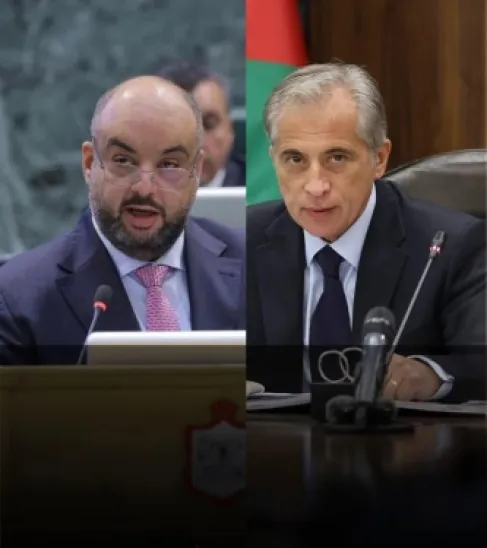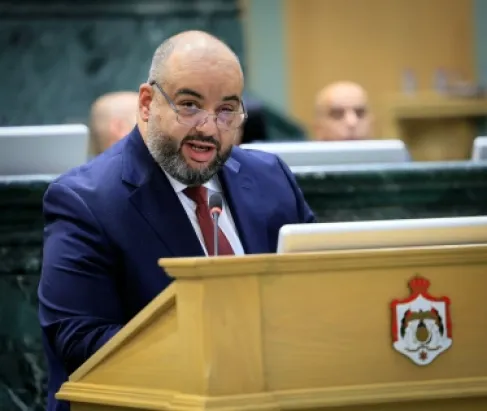
Khaberni - Dr. Haider Al-Freihat, the General Manager of the Department of Statistics, said that the department's budget reached about 23.5 million dinars, with an increase of 12.3 million dinars over the previous year, most of which goes towards capital expenses for development projects, such as the National Data Center, and other initiatives aimed at enhancing the department's capabilities in data collection and analysis.
Al-Freihat pointed out that the statistical data produced by the Department of Statistics are a fundamental pillar for building national indicators and assessing the economic and social realities, emphasizing the importance of developing data collection tools and updating methodologies to ensure the accuracy and comprehensiveness of databases, and enhancing the linkage between administrative data and field surveys to increase the reliability of statistical outputs.
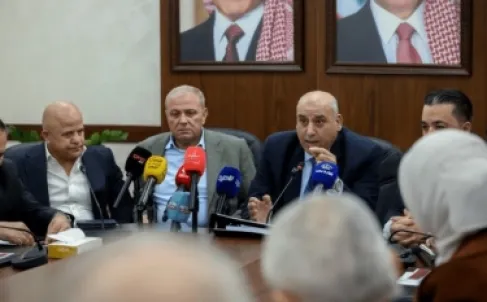
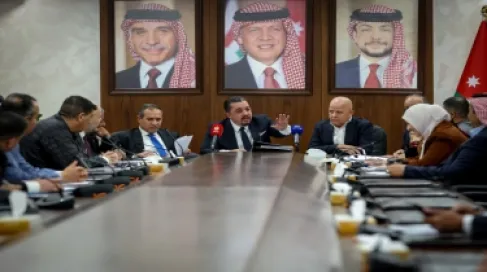
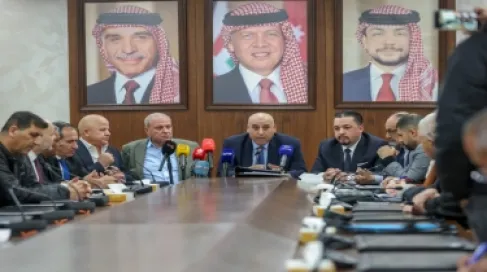
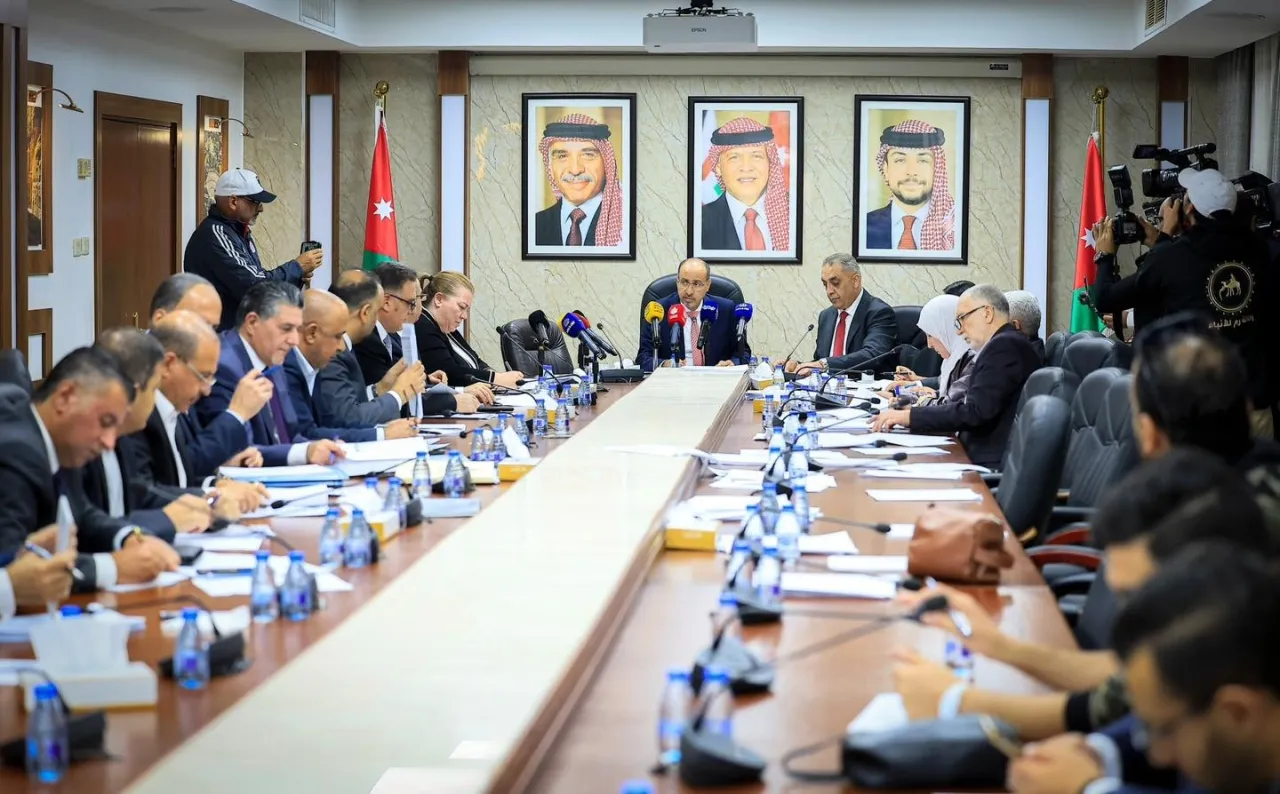
This was discussed during the meeting of the Parliamentary Finance Committee, yesterday, Thursday, chaired by Dr. Nimr Al-Sulihat, discussing the budget of the Ministry of Planning and International Cooperation and the budget of the Department of Statistics for the year 2026, in the presence of the Minister of Planning and International Cooperation, Zaina Touqan, and the Director-General of the Department of Statistics, Dr. Haider Al-Freihat, and the Acting Director-General of the General Budget Department, Ayman Abu Al-Rub.
Al-Sulihat stressed the importance of the ministry's role in enhancing international cooperation and explaining the challenges faced by Jordan, noting the committee's keenness to learn about the size of foreign aid, its diversity, and the extent of its benefit.
He also referred to the partnership agreement with the European Union, which includes an aid package worth 3 billion euros for three years, and the preparations for the Jordanian-European summit scheduled for 2026.
Al-Sulihat requested that the committee be provided with details of the joint files, the impact of the royal visits to Asian countries, alongside information regarding the refugee file and the response plan, the economic modernization vision, projects for the year 2026 and the Executive Program 2026–2028, in addition to clarifying the status of investment projects in the national registry, partnership projects with the private sector, the size of funding and grants for the national carrier project, and submitting a document that includes the costs of concessional aid.
Regarding the ministry's budget, which amounted to 11.7 million dinars, Al-Sulihat emphasized the importance of development programs and projects, support for small and medium enterprises, and enhancing the green economy.
Touqan provided a detailed explanation of the budget items and confirmed the continuation of the "Irada" program with its institutional support to the planning organization and the Royal Scientific Society, through the preparation of preliminary and detailed feasibility studies, and expanding the spread of offices across various provinces to ensure that services reach all beneficiaries. She estimated the commitment for the coming year at about three million dinars to support the studies and enhance the capabilities of entrepreneurial and community projects.
In addition to supporting a large number of small projects through examining their products in the laboratories of the Royal Scientific Society to ensure quality, and marketing them through the national platform "Handmade Platform" to reach local and foreign markets.
She pointed out that the previous period witnessed the preparation of a partnership document with the European Union to activate cooperation in strategic development fields, and developing a joint statement that reflects the strength of the relationship between Jordan and the European Union in political and economic fields.
She explained that the "Irada" program continues its technical support in product development in terms of design, packaging, and increasing marketing value, while the Ministry of Labor continues to support development initiatives through the project of national legislations, production branches, and financial allocations earmarked within the budget.
In turn, committee members raised a set of questions and inquiries addressing the nature of the ministry's work and its priorities in managing grants, and the role of these aids in funding government projects and enhancing the capacities of official institutions. The MPs focused on how foreign aid is distributed, technical support programs for institutions, and developmental projects in various sectors, in addition to monitoring the impact of investment projects and economic updating programs.
Touqan responded to the members' inquiries by clarifying the basis for distributing grants according to national priorities, explaining the technical programs provided to support institutions, confirming the importance of these contributions in enhancing financial stability and funding projects that have a direct impact on citizens, with an emphasis on monitoring project implementation and regularly reviewing results to ensure effectiveness and achieving the desired goals.