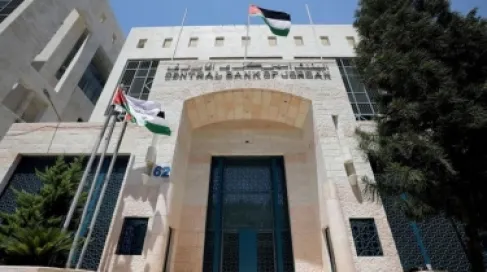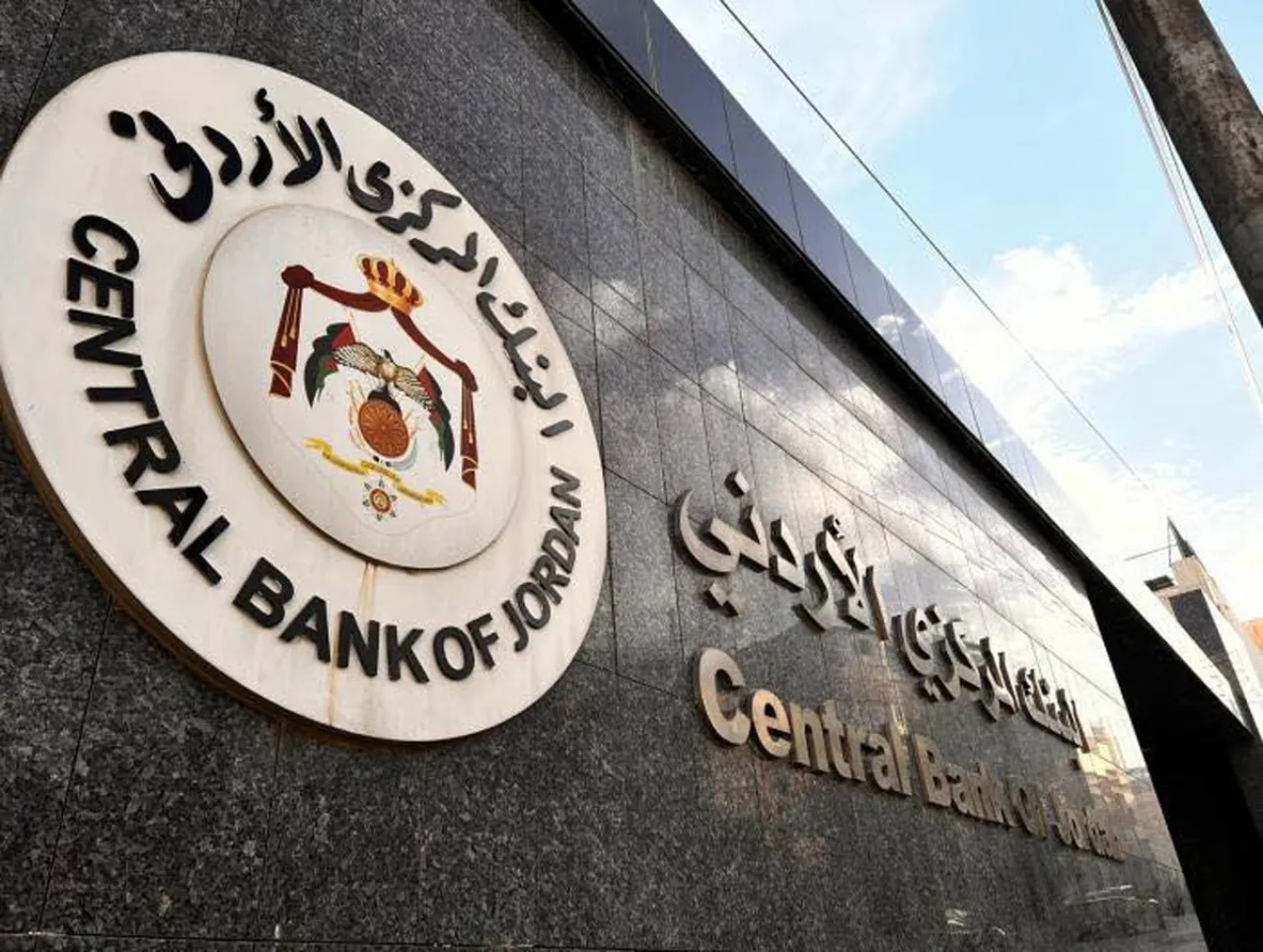
Khaberni - The Governor of the Central Bank, Dr. Adel Al-Sharkas, confirmed that the monetary policy implemented by the Central Bank has succeeded in maintaining solid foundations for monetary and banking stability in the Kingdom, and translating it into tangible results on the ground, despite the existing regional and international challenges.
During his visit to the American University in Madaba yesterday, Wednesday, he emphasized that preserving monetary stability is a pivotal goal of the Central Bank and a fundamental pillar of macroeconomic stability. This provides a secure and stimulating environment for growth, appealing for investment, and capable of supporting long-term development and planning paths.
Al-Sharkas added that the Central Bank gradually moved towards an expansive monetary policy starting from September 2024, after the restrictive policy the bank adopted, like global central banks, achieved its goals. He pointed to the Central Bank having lowered interest rates five times, by a cumulative 150 basis points, in a step that reflects the Central Bank's keenness to establish a well-balanced equilibrium between maintaining monetary stability on one hand, and supporting economic activity and enhancing its expansion capacity on the other.
Al-Sharkas confirmed that today's monetary indicators reflect the strength of monetary stability in the Kingdom, most prominently the rise in the Central Bank's foreign reserves to more than $24 billion, sufficient to cover more than seven months of the Kingdom's imports, and a decline in dollarization rate to 18.2% by the end of September 2025, alongside containing inflationary pressures and maintaining stability around 2% during the first three quarters of the current year—a level that enhances the competitiveness of the national economy and preserves the purchasing power of citizens.
Al-Sharkas noted that digital payments in the Kingdom are continuously increasing, where they reached 31 billion by the end of September 2025. He affirmed that this level reflects the advancement of the Kingdom's digital financial system and enhances the shift towards a digital economy.
In terms of economic developments, Al-Sharkas mentioned that the national economy grew by 2.8% during the second quarter of the current year, demonstrating its resilience and high capability to adapt to external shocks and regional and international fluctuations, thank to the commitment to implementing structural financial and economic reforms that have supported the macroeconomic fundamentals, enhanced the business environment, and increased the competitiveness and resilience of the national economy.
Al-Sharkas added that today's national economy continues to make steady progress in implementing economic reforms through the economic reform program, in cooperation with the International Monetary Fund, within a path consistent with the vision of economic modernization that is currently working on preparing its second implementation program for the years 2026-2029.
Al-Sharkas pointed out that the economy has achieved many positive economic indicators, especially in terms of external sector indicators. It has managed to attract direct foreign investments exceeding one billion dollars with a growth rate of 36.4% during the first half of 2025. This reflects confidence in the national economy and its investment environment.
National exports saw robust growth by 8.0% during the first eight months of 2025, reaching 8.6 billion dollars, driven by increases in both non-traditional exports by 7.6%, which constitute 88.0% of national exports, and traditional exports (potash and phosphates) which increased by 11.2%. Remittances from workers abroad increased by 4.1% to reach 3.3 billion dollars during the first three quarters of 2025. Despite the geopolitical conditions in the region, tourism income continued its recovery, registering a growth of 6.5% during the first ten months of 2025, reaching 6.6 billion dollars.