Khaberni - World newspapers and websites have discussed the escalating pressures on Israel on multiple fronts, from the academic boycott in Europe, to the accusations directed at its army in Gaza, culminating in the escalation of conflict within the governing institutions concerning responsibility for the failures of October 7.
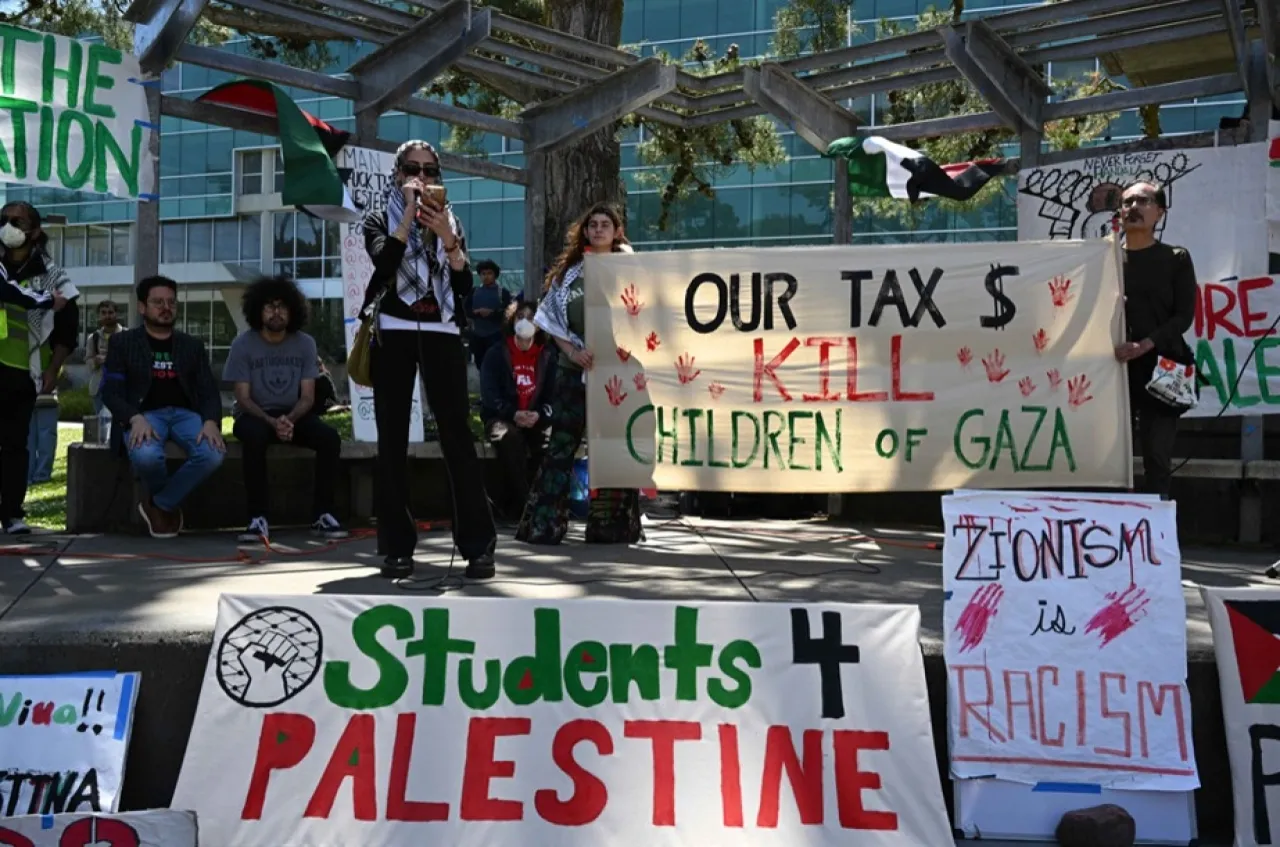
Haaretz reported that the academic boycott of Israel in Europe continues despite the ceasefire in Gaza, noting that European universities that suspended their research cooperation since October 7 have not yet renewed their ties with Israeli institutions.
The newspaper added that the United States remains Israel's largest partner in research, but it too is witnessing what the report by the Association of University Heads in Israel described as a "silent boycott", amid warnings of an academic isolation that could threaten Israel's international standing.
Haaretz pointed out that the report called for a counter-strategy to the Boycott, Divestment, and Sanctions (BDS) movement, warning of escalating effects on universities and researchers in Israel in the coming stage.
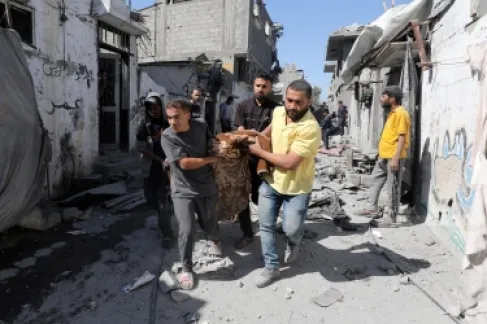
In a related context, The Jerusalem Post highlighted the escalating criticisms of the behavior of the Israeli army in Gaza, with growing calls for independent oversight of its operations and accountability for soldiers suspected of extensive violations.
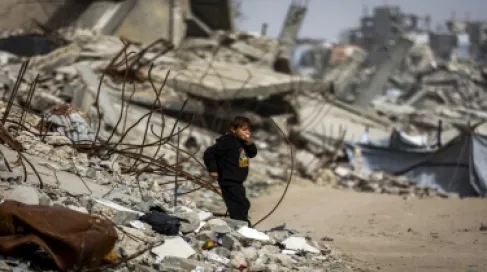
The article indicated that the allegations include mass killings, extensive destruction of infrastructure, and the use of starvation as a weapon, in addition to violations against Palestinian detainees, including torture and mistreatment.
The article speculated that the military's status within Israeli society often prevents stringent regulation, warning that this undermines transparency and democratic accountability and calls for the establishment of a fully empowered independent regulatory body.
Internal Conflicts
On the level of internal conflict within governing institutions, The Financial Times documented the decision by Israeli Defense Minister Israel Katz to halt appointments in the army, considering it a step aimed at holding the military leaders responsible for the attack of October 7, 2023.
The newspaper stated that this effort comes with the goal of exonerating successive governments under Benjamin Netanyahu from the repercussions described as "catastrophic failures", despite a large part of the responsibility falling on warnings ignored by the government at the time.
The Financial Times added that the military repeatedly warned that the debate over judicial system reforms and widespread protests linked to it encouraged Israel's opponents to venture, which the government ignored, according to the newspaper.
In regional matters, Libération from Beirut wrote about the spread of fear and pressure among the city’s residents following the Israeli raid that targeted Hezbollah leader Haitham Tabtabai a few days ago.
The newspaper quoted residents of the southern suburbs, including a woman named Zeinab, saying that "the atmosphere has become suffocating", amid continuous drone flights and daily bombings affecting the city despite it having survived escalation for 5 months.
Libération clarified that this anxiety reflects the heightened tension, pointing out that recent developments have pushed Lebanon back into a square of security and political pressure amid concerns of an expanding confrontation.
The Russian-Ukrainian War
In the file of the Russian-Ukrainian war, Le Monde revealed that the American envoy Steve Witkoff met in Moscow with Russian businessman Kirill Dmitriev, who played an undeclared mediator role between the Kremlin and the American administration.
The newspaper said that Dmitriev drafted the latest American settlement to end the war in Ukraine, and that he leaked its draft to the newspaper, which made the plan a new reference for Donald Trump's political program within one day.
Le Monde added that the settlement was prepared away from Kyiv and European capitals, raising questions about the future of the political path of the war and diplomatic balances in the upcoming stage.
In The Economist, an extensive investigation addressed the global migration waves towards Western countries, focusing particularly on skilled individuals, touching on India which accounts for 30% of foreign students in the United States.
The magazine pointed out that about 70% of American work visa applications are submitted by Indians, considering that tightening immigration and education policies in the West harms them but might boost the retention of talent within India.
The Economist warned that restrictions on mobility could impede the movement of minds that have historically benefited India and the United States, potentially reshaping the global skills market.