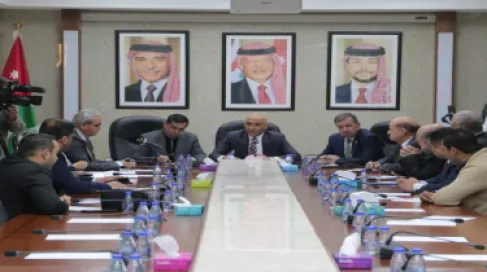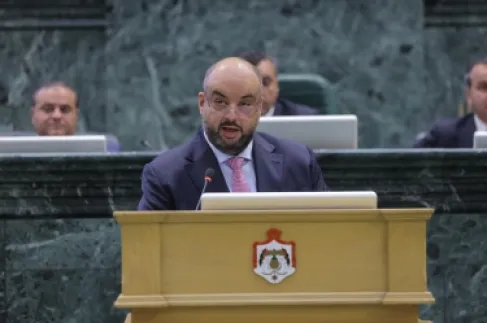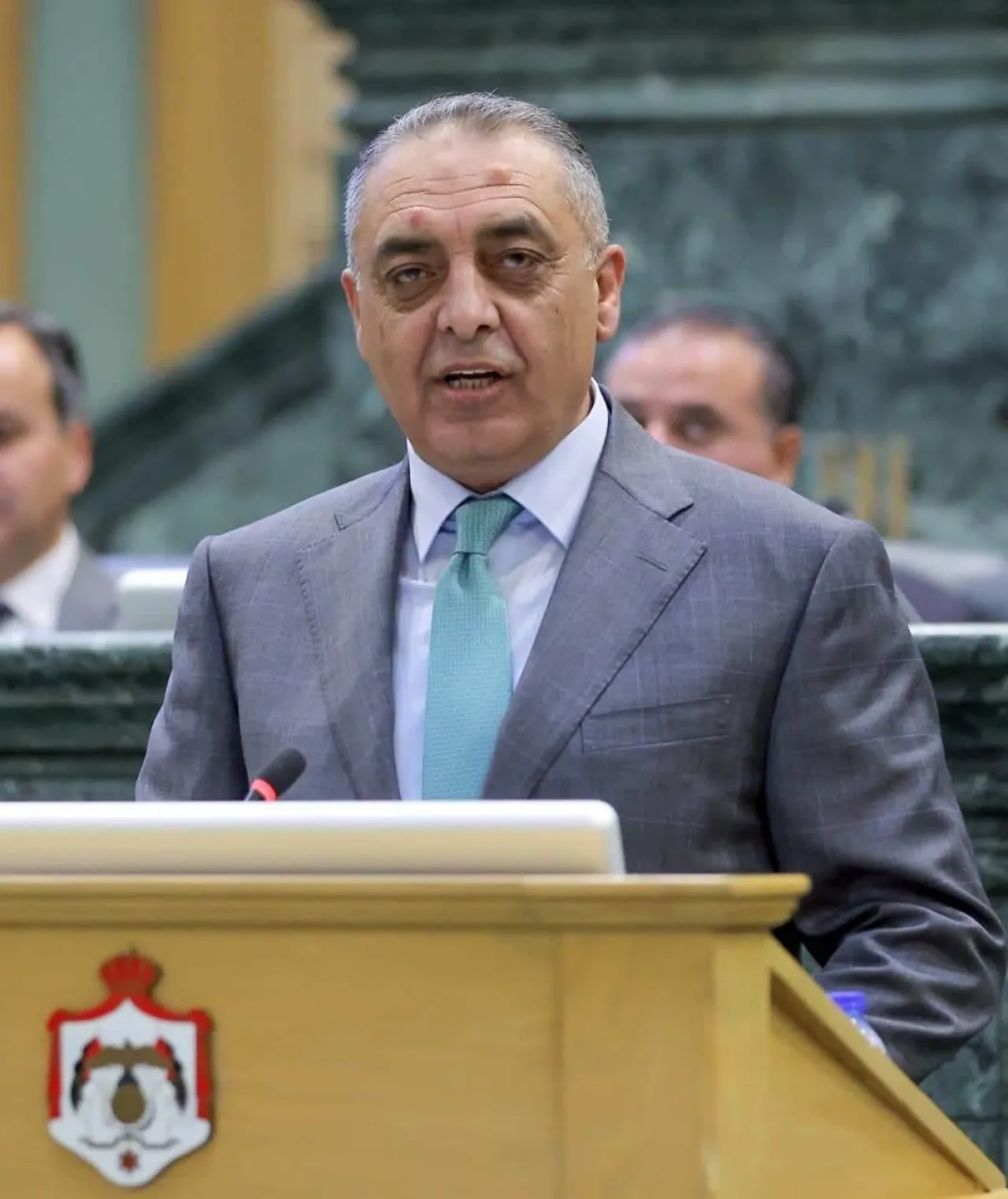
Khaberni - During the first meeting held by the committee to discuss the draft law for the general budget for 2026, the Financial Committee’s rapporteur in the House of Representatives, Deputy Mohammed Al-Bustanji, proposed a comprehensive proposal that involves the dispensation of a salary protected from any deductions (no social security, no taxes, no banks, no liens), so that it reaches the citizen in full, and this is to be done before the advent of the blessed month of Ramadan, considering that this salary is a practical and more effective alternative to the option of deferring loans.
Al-Bustanji affirmed that deferring loans does not alleviate the real burden on citizens, but leads to the accumulation of interest and increases the cost of monthly commitments. Meanwhile, the additional salary provides direct purchasing power that helps families cope with the increasing pressures during Ramadan and the subsequent Eid celebrations, school expenses, and winter bills.
Al-Bustanji explained that Ramadan represents the peak of financial burdens on Jordanians, where expenses in most households rise to almost three times, making the additional salary an effective support tool that restores stability to the family and alleviates social and living pressures.
He pointed out that most public sector employees earn less than 500 dinars, noting that targeting groups with salaries less than a thousand dinars will ensure that support is directed to the deserving without unjustifiably burdening the treasury.
Al-Bustanji also confirmed that the expected cost of the additional salary is manageable if the government re-prioritizes its budget.
He mentioned that this expenditure will not constitute a permanent burden, as it is a one-time payment, and that it will benefit the treasury through increased market activity and higher tax revenues during the Ramadan season, which leads to the revitalization of commercial, food, and logistics sectors, positively reflecting on the local economic cycle.
Regarding the allocation of financial resources, Al-Bustanji explained that the government is capable of funding this salary by restructuring spending, reducing non-essential items, postponing some non-urgent projects, and enhancing the collection of overdue tax and customs dues, which exceed hundreds of millions of dinars annually.
Al-Bustanji concluded by stating that the “Protected Ramadan Salary” is a comprehensive economic and social solution that provides citizens a glimmer of hope and supports the financial stability of families, enhances commercial activities, and supersedes traditional solutions such as loan deferrals, urging the government to take the proposal seriously and study it within the context of social justice and stimulating the national economy.