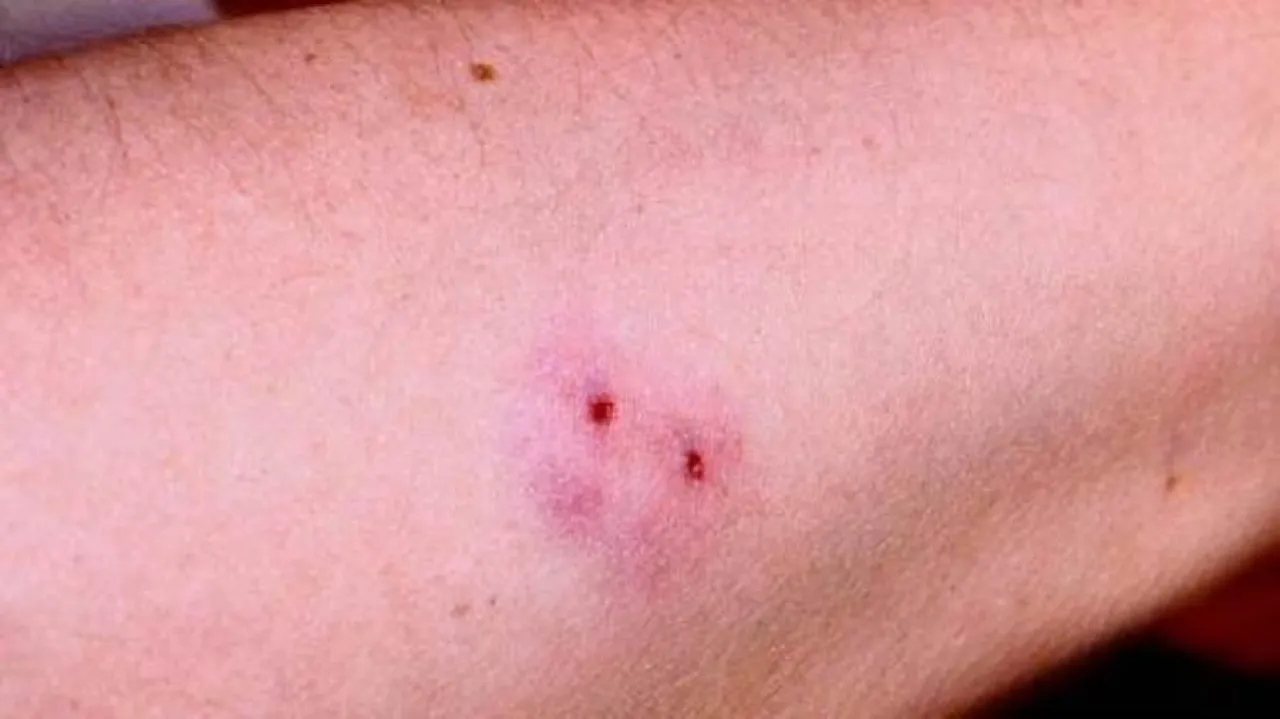
Khaberni - A recent British study revealed the possibility of using the technology in COVID-19 vaccines to reduce the rates of permanent disability suffered by thousands of snakebite victims annually around the world, according to Newsweek.
A research team from the University of Reading in Britain found that mRNA technology, which emerged during the coronavirus pandemic, could form the basis for a new therapeutic approach that prevents muscle damage caused by toxins and reduces the complications that persist in the affected individuals even after traditional treatment.
The initial trials target the venom of the terciopelo (Bothrops asper), which is widespread in Central and South America and is one of the species most likely to cause serious injuries.
Researchers hope that this work will pave the way for developing a broad-scale therapeutic platform capable of dealing with multiple toxic components in different types of snakes.
"Broad and effective" protection, said Sakthi Vaiyapuri, Professor of Cardiovascular Pharmacology and Toxicology at the university, to Newsweek, explaining that the team designed mRNA molecules to stimulate the body to produce antibodies that target a specific toxic substance in the snake venom, clarifying that these molecules were encapsulated in "nanoparticulate lipids" to facilitate their entry into cells.
He added, "When tested in lab-cultured cells, the cells produced the required antibodies that provided tangible protection from the poison." He continued, "When injected in mice two days before exposing them to the toxic substance, it showed strong results in preventing muscle damage, opening the door to developing a treatment capable of protecting humans in the future."
Despite the effectiveness of traditional antivenoms in dealing with the venom that spreads through the blood, researchers point out the limited ability of these antivenoms to reach the damaged muscle tissues at the site of the bite, a problem that the new treatment might succeed in overcoming.
Vaiyapuri also noted that the antibodies produced could also bind to similar toxins in other types of snakes, confirming that there is a plan to develop a "mixture" of mRNA molecules providing broader protection against multiple toxins.
In the same context, Andreas Laustsen, Professor of Biotechnology and Biomedicine at the Technical University of Denmark, said that the technology could also be useful in other cases where toxins cause cumulative damage, such as certain types of bacterial infections.
The trials on human muscle cells showed that the treatment limited the effects of individual toxins, as well as the complete venom, within a period ranging from 12 to 24 hours from injecting the mRNA, and the tests on mice revealed the ability of a single dose of the treatment to provide protection for muscle tissues for up to 48 hours before exposure to the venom, and reduced levels of biomarkers for muscle damage, such as creatine kinase and lactate dehydrogenase enzymes.
Existing challenges and despite the promising results, researchers believe the road is still long; the formation of antibodies takes several hours, in addition to the difficulty of storing the treatment in remote areas that lack cooling chains, and the fact that the current experimental version targets only one toxin.
Nevertheless, Vaiyapuri assures that "the expected potential of this approach in reducing disabilities resulting from snake bites is immense"; indicating that advancements in mRNA technologies could represent a significant leap in treating one of the world's most neglected health problems.